
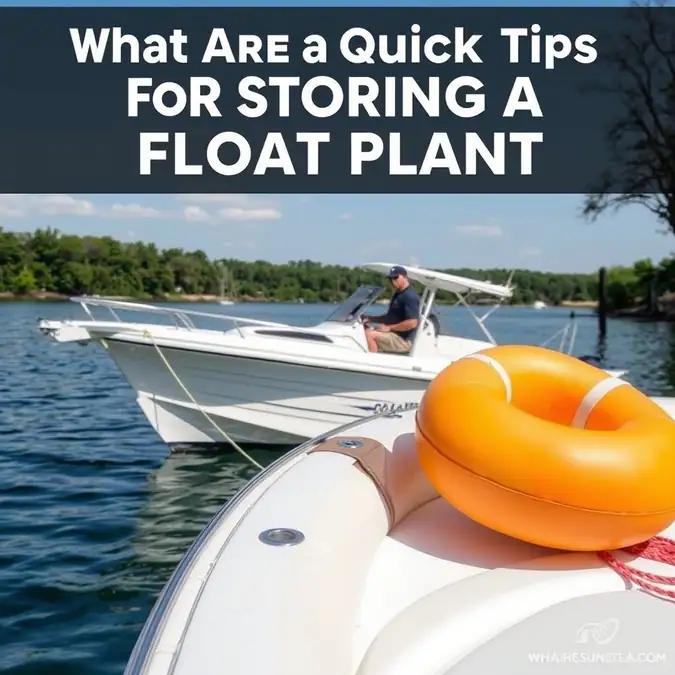
What Are Some Quick Tips for Storing a Float Plan on a Boat?

Do you leave the dock without a plan? A float plan saves lives. It tells people where you go and when you come back. This guide shows you quick tips for storing a float plan on a boat. You will learn where to put it. You will learn how to keep it dry. You will learn who needs a copy. Let us get started.
What Is a Float Plan and Why Do I Need One?
A float plan is a note. It tells your route. It tells your return time. It lists your boat name. It lists your boat color. It lists who is on board. It lists safety gear. You give it to a friend. You give it to family. You give it to the marina. If you are late they call for help. The Coast Guard uses it to find you fast. Do you want to be found fast? Yes you do. A float plan is cheap insurance. It costs zero dollars. It takes five minutes. It can save your life.
Many boaters skip this step. They think nothing bad will happen. But weather changes fast. Engines break. People get hurt. A float plan is your backup voice. It speaks for you when you cannot. Have you ever been stuck on the water? It is scary. A float plan brings help sooner. Every trip needs one. Short trips too. Long trips too. No trip is too small for a plan.
Think of it like a note to mom. You tell her where you play. You tell her when you come home. If you are late she checks on you. Same idea on water. The water is bigger. The risks are higher. The help is farther. A float plan closes that gap. It gives searchers a start point. It gives them a path to follow. It gives them a time frame. Every minute counts in a search. Your plan buys minutes. Minutes save lives.
You do not need fancy forms. A napkin works in a pinch. But a real form is better. The Coast Guard has a free form. The Auxiliary has one too. Many apps have them built in. Pick one and use it. Fill it out before every trip. Leave it with a trusted person. That person is your shore contact. They hold the plan. They watch the clock. They make the call if you are late. Simple. Smart. Safe.
Your shore contact must know what to do. Tell them the plan. Show them the form. Give them phone numbers. Coast Guard. Local marine police. Marina office. Tow boat company. Write numbers on the plan. Put them in their phone. Practice the call. Make it real. Do you know who your shore contact is? Pick someone reliable. Pick someone who answers the phone. Pick someone who stays calm. Your life may depend on them.
Update the plan if things change. Change your route? Call your contact. Change your return time? Call your contact. Add a person? Call your contact. Drop a person? Call your contact. Keep the plan current. An old plan sends searchers to the wrong place. That wastes time. That puts you at risk. A quick call fixes it. Do you have your contact on speed dial? You should. Make that call a habit.
File a plan even for solo trips. Especially for solo trips. No one on board to help you. No one to call for you. Your plan is your only voice. Make it loud. Make it clear. Make it accurate. Solo boaters face higher risk. A float plan lowers that risk. It is the smartest thing you do all day. Do you boat alone? Then you need this most.
Teach your crew about the plan. Show them where it is stored. Show them how to send it. Show them who gets it. If you fall ill they take over. If you fall overboard they alert shore. Everyone plays a part. Safety is a team sport. Your crew is your team. Give them the playbook. The float plan is the playbook. Run the play every time.
Keep a blank form on board. Keep pens on board. Keep a clipboard on board. Fill it out at the dock. Do it before you start the engine. Do it before you untie lines. Make it a pre departure ritual. Check weather. Check fuel. Check gear. File plan. Go. That order never changes. Rituals build habits. Habits save lives. What is your pre departure ritual? Add the plan to it today.
Remember the goal. Get home safe. The float plan helps that happen. It is not paperwork. It is a lifeline. Treat it like one. Store it right. Share it wide. Update it often. Use it every trip. No exceptions. No excuses. Your family waits at home. Your friends wait at the dock. They all want you back. A float plan helps make that happen. Will you write one today?
Where Should I Keep My Float Plan on the Boat?
Keep the plan where you can grab it fast. Keep it where water cannot reach it. Keep it where sun cannot fade it. A dry box works well. A zip bag works too. A clipboard with a cover works. Mount it near the helm. Mount it near the radio. Mount it near the door. You want it in sight. You want it in reach. Do you know where your plan sits right now? Go check. Move it if needed.
Do not hide it in a locker. Do not bury it under gear. Do not leave it on the dash uncovered. Rain ruins paper. Sun bleaches ink. Wind blows pages away. A wet plan is useless. A faded plan is useless. A missing plan is useless. Protect the plan. Protect the info. Protect the crew. A small dry case costs ten dollars. It lasts years. It fits in any spot. Buy one. Use it. Trust it.
Mount a clip on the console. Clip the plan there. Face it out. Read it at a glance. Confirm the route. Confirm the time. Confirm the names. A quick look keeps you honest. A quick look keeps you on track. Are you where you said you would be? Are you back when you said? The clip keeps the plan visible. Visible means remembered. Remembered means followed.
Keep a spare copy in your ditch bag. A ditch bag holds emergency gear. Flares. Radio. Water. Light. Knife. Add the float plan copy. If you abandon ship the plan goes with you. Rescuers find the bag. They find the plan. They know who you are. They know where you came from. They know who to call. The ditch bag travels with you. The plan travels with you. Smart.
Store a digital copy on your phone. Store a digital copy on a tablet. Email it to your shore contact. Text it to your shore contact. Cloud storage works too. Google Drive. Dropbox. iCloud. Digital copies never get wet. They never fade. They never blow away. But batteries die. Screens crack. Phones sink. Paper works when tech fails. Use both. Belt and suspenders. Redundancy wins.
Label the storage spot. Write FLOAT PLAN on the box. Write FLOAT PLAN on the clip. Write FLOAT PLAN on the bag. Red lettering stands out. White on red is best. Anyone can find it. A guest can find it. A child can find it. A rescuer can find it. Seconds matter. Labels save seconds. Do you have a label maker? Use it. No label maker? Tape and marker work fine.
Tell every passenger where it is. Point to the clip. Point to the box. Point to the bag. Say the words. This is the float plan. It goes to shore if we sink. It tells them who we are. It tells them where we went. It brings help fast. Say it calm. Say it clear. Say it every trip. Repetition builds memory. Memory triggers action. Action saves lives.
Check the plan before you leave. Is it in the clip? Is it in the box? Is it in the bag? Is the ink readable? Is the info current? Is the contact name right? Is the phone number right? A quick check takes ten seconds. Ten seconds prevents hours of trouble. Make the check a habit. Hook it to another habit. Check plan. Check kill switch. Check life jackets. Go.
Clean the storage spot monthly. Salt builds up. Dust builds up. Grime builds up. Wipe the clip. Wipe the box. Wipe the bag. Check the seal. Check the hinge. Check the latch. A clean dry spot protects the plan. A dirty wet spot destroys it. Maintenance is easy. Neglect is costly. Which do you choose? Clean it today. Check it tomorrow. Keep it ready always.
Have a plan for the plan. Know where it goes if you swap boats. Know where it goes if you trailer the boat. Know where it goes in winter storage. The plan moves with the boat. The plan stays with the captain. The plan serves the trip. Never leave the dock without it. Never leave the boat without knowing where it is. Simple rule. Hard rule. Live by it.
Should I Use Paper or Digital Float Plans?
Use both. Paper works when wet. Paper works when dead. Paper works when broken. Digital works when lost. Digital works when shared. Digital works when updated. Two systems cover each other’s gaps. One system leaves a hole. Do you carry a spare tire? Yes. Do you carry a spare key? Yes. Carry a spare plan format. It is the same logic.
Paper is simple. Pen on form. Hand to friend. Done. No password. No signal. No battery. No update needed. No sync needed. No app crash. No screen glare. No learning curve. Grandma can read it. Kid can read it. Rescuer can read it. Universal language. Universal access. Universal reliability. That is hard to beat. Paper wins on basics.
Digital shares fast. One tap sends to five people. One tap updates the route. One tap changes the time. One tap adds a name. Photos attach easy. Photos of boat. Photos of gear. Photos of crew. GPS coordinates copy paste. Weather links embed. Contacts link dial. Rich data. Live data. Shared data. Digital wins on speed and reach.
Apps make digital easy. BoatUS app. Float Plan app. USCG app. Many free options. Fill once. Save template. Reuse next trip. Change date. Change time. Change route. Send. Done. Two minutes max. Templates prevent mistakes. Templates ensure completeness. Templates save time. Do you use templates for other things? Use one for this too.
Paper backs up digital. Print the digital plan. Put print in dry box. Put print in ditch bag. Put print on clip. Now you have three paper copies. One digital master. Three paper backups. Four total versions. Hard to lose all four. Hard to destroy all four. Hard to fail with all four. Redundancy is the name of the game. Play to win.
Test your digital plan offline. Turn on airplane mode. Open the app. Open the file. Can you read it? Can you share it via Bluetooth? Can you print to a portable printer? If no then it fails offline. Fix that before you need it. Test at home. Test at the dock. Test monthly. Trust but verify. Verification builds confidence. Confidence drives action.
Choose paper for the official copy. The one your shore contact holds. The one Coast Guard asks for. The one marina keeps on file. Paper is legal record. Paper is court ready. Paper is simple evidence. Digital can be disputed. Digital can be hacked. Digital can be corrupted. Paper stands up. Make paper the master. Digital the messenger.
Use waterproof paper for the boat copy. Rite in the Rain paper. Waterproof notebooks. Waterproof clipboards. Ink stays sharp. Paper stays strong. Write in rain. Write in spray. Write underwater almost. Cost is low. Value is high. Peace of mind is priceless. Have you written in the rain? It feels wrong but works great. Try it. You will like it.
Sync digital to cloud automatically. Set app to auto backup. Set phone to auto sync. Set tablet to auto sync. Zero effort. Zero forget. Zero gap. The latest version always lives in cloud. Shore contact accesses cloud. You access cloud. Rescuer accesses cloud. One truth. One source. One less worry. Automation prevents human error. Humans forget. Machines execute.
Decide your system today. Pick paper type. Pick digital app. Pick backup method. Pick storage spots. Pick shore contacts. Write it down. Practice it once. Use it every trip. Refine as you go. The best system is the one you actually use. A perfect system unused saves no one. A simple system used saves many. Which will you use?
How Do I Protect My Float Plan From Water Damage?
Water kills paper fast. Rain. Spray. Waves. Humidity. Sweat. Spills. Leaks. Condensation. All ruin ink. All ruin paper. All ruin your plan. Protection is not optional. It is mandatory. Do you leave your phone in the rain? No. Do not leave your plan in the rain. Treat it like your phone. Better. Your phone has backup. Your plan might not.
Buy a waterproof case. Hard case. Pelican style. Small size. Fits plan. Fits pen. Fits clipboard. Seals tight. Floats if dropped. Bright color easy to see. Ten to twenty dollars. Lasts decades. Best investment on boat. Do you have one? Get one. Put plan in it. Close latch. Verify seal. Done.
Use zip lock bags as backup. Double bag it. Squeeze air out. Seal tight. Tape the seal. Duct tape works. Gorilla tape works better. Cheap. Light. Replace often. Sun makes plastic brittle. Salt makes zip stick. Check monthly. Replace quarterly. Cost is pennies. Value is huge. Do you have zip bags aboard? Add them to the plan kit.
Laminate the paper plan. Laminator costs thirty dollars. Pouches cost pennies. Laminated plan survives dunking. Survives scrubbing. Survives grease. Survives sun. Write on it with dry erase. Update route each trip. Wipe clean next trip. One plan lasts all season. Green. Clean. Tough. Have you laminated anything? Try it. You will wonder why you waited.
Waterproof paper is magic. Rite in the Rain brand. Standard sizes. Standard clipboards. Write with pencil. Write with ballpoint. Write with Sharpie. Water beads off. Ink stays put. Paper stays stiff. Tear resistant. Fold resistant. Crumple resistant. Feels like paper. Acts like plastic. Best of both worlds. Costs a bit more. Worth every cent.
Store in high dry location. Not on deck. Not near hatch. Not near bilge. Not near cooler. Not near sink. High shelf. Upper cabinet. Console top. Bridge deck. Flybridge. Gravity pulls water down. Put plan up high. Water stays down. Simple physics. Smart placement. Do you store food high? Store plan higher. It is more important.
Use a dry erase board for daily plan. Mount near helm. Write route. Write time. Write names. Write contact. Erase at day end. Write fresh next day. No paper waste. No ink fade. No water worry. Board stays dry under cover. Marker lives in dry box. Quick. Clean. Visible. Everyone sees it. Everyone knows it. Do you have a whiteboard? Mount one today.
Seal the edges of laminated sheets. Tape the edges. Clear packing tape. Water sneaks in edges. Delamination ruins the sheet. Tape stops the sneak. Cheap insurance. Two minutes work. Lasts all season. Check tape monthly. Replace if lifting. Peeling tape traps water. Trapped water rots paper. Do not let it start. Stop it at the edge.
Test your protection. Spray the case with hose. Dunk the bag in bucket. Splash the laminated sheet. Leave in humid head overnight. Check results. Dry inside? Ink sharp? Paper stiff? Good. Wet inside? Ink run? Paper soft? Fix it. Better to fail in test than in emergency. Test monthly. Test before long trips. Trust verified.
Teach crew the protection rules. Case stays closed. Bag stays sealed. Board stays covered. Pen stays in case. Clipboard stays in bag. No exceptions. No lazy moments. One splash ruins the plan. One ruined plan risks the crew. Make it a rule. Enforce the rule. Live the rule. Your boat. Your rules. Their lives.
Who Should Get a Copy of My Float Plan?
Your shore contact gets the master copy. This is non negotiable. They hold the trigger. They make the call. They talk to Coast Guard. They talk to police. They talk to family. Pick one primary. Pick one backup. Both get copies. Both know the plan. Both have the numbers. Do you have two people you trust completely? They are your contacts.
Marina office gets a copy. If you dock at a marina. They watch the slips. They see you leave. They see you return. They notice empty slips. They call your contact. They call Coast Guard. They have radios. They have phones. They have local knowledge. They are eyes on the water. Give them a copy. Say thank you. Build the relationship.
Yacht club gets a copy. If you belong. Same logic as marina. They track members. They track guests. They run race committees. They run cruise fleets. They have networks. They have resources. They care about you. Use the network. Feed the network. The network protects you. Are you a member? File the plan there too.
Harbor master gets a copy. In busy ports. They manage traffic. They manage moorings. They manage emergencies. They coordinate with Coast Guard. They coordinate with tow boats. They know the harbor best. Your plan helps them help you. It is their job. Make their job easy. Give them the info. They will remember you.
Fishing buddy gets a copy. If you fish together. They know your spots. They know your habits. They know your boat. They know your gear. They notice when you are late. They know where to look first. They can start search while shore contact calls pros. Two search tracks. Double coverage. Faster find. Do you have a regular fishing partner? Exchange plans.
Family member gets a copy. Spouse. Parent. Adult child. Sibling. They worry. They wait. They want to help. Give them the tool. They call the contact. They call the marina. They call the Coast Guard. They provide emotional anchor. They provide info to searchers. Description of you. Description of crew. Medical info. Medications. Allergies. Family knows you best.
Tow boat company gets a copy. If you have membership. Sea Tow. BoatUS. Vessel Assist. They respond fast. They know your plan. They know your route. They know your boat. They bring fuel. They bring jump. They bring tow. They bring you home. Your plan speeds their launch. Their launch saves your day. Are you a member? File the plan with them.
Coast Guard Auxiliary gets a copy. If you file with them. They offer free vessel checks. They offer free plan review. They offer free safety advice. They are volunteers. They are experts. They are local. They want you safe. Help them help you. Give them the plan. Ask for feedback. Learn from them. They teach for free.
Do not post on social media. Do not post on public forums. Do not post on dock bulletin boards. Strangers do not need your route. Strangers do not need your return time. Strangers do not need your crew names. Privacy protects you. Security protects you. Share only with trusted circle. Circle stays small. Circle stays strong. Who is in your circle?
Keep a distribution list. Write names. Write phone numbers. Write email addresses. Write what copy they got. Paper. Digital. Both. Date given. Date confirmed. Update list yearly. Update list when contacts change. Update list when you change. List lives with master plan. List goes in dry box. List goes in ditch bag. List goes to shore contact. Organized. Complete. Ready.
When Should I File My Float Plan?
File before you leave the dock. Every time. No exceptions. Short trip. Long trip. Day trip. Night trip. Solo trip. Group trip. File the plan. Make it a habit. Habits save lives. Do you brush teeth before bed? File plan before boat. Same priority. Same automatic action. No thinking. Just doing.
File when you plan the trip. Days before. Weeks before. Send to shore contact early. They review. They ask questions. They suggest changes. They confirm receipt. Early filing catches errors. Early filing builds confidence. Early filing reduces rush. Rush causes mistakes. Mistakes cost lives. Plan early. File early. Relax later.
Update at the dock before departure. Weather changed? Update plan. Crew changed? Update plan. Route changed? Update plan. Time changed? Update plan. Fuel changed? Update plan. Gear changed? Update plan. Quick edit. Quick send. Quick confirm. Two minutes. Do it while lines are still tied. Do it before engine starts. Do it every time.
Call shore contact when you leave. Voice contact confirms departure. Voice contact confirms time. Voice contact confirms route. Voice contact confirms crew. Voice contact confirms ETA. Five minute call. Priceless peace of mind. They hear your voice. They hear your confidence. They hear your sobriety. They hear your readiness. You hear their confirmation. Connection made. Safety net active.
Call at waypoints if long trip. Cross the bar? Call. Round the point? Call. Enter the inlet? Call. Change course? Call. Delayed by weather? Call. Ahead of schedule? Call. Each call updates the picture. Each call narrows the search area. Each call reassures your contact. Each call is a breadcrumb. Breadcrumbs lead home. Drop them often.
Call when you arrive. Safe at anchor? Call. Safe at dock? Call. Safe at mooring? Call. Close the loop. Contact sleeps sound. Contact stops watching clock. Contact stands down alert. You celebrate success. Team wins. Do it every arrival. No matter how tired. No matter how late. No matter how routine. The call ends the plan. The call completes the cycle.
File for night trips with extra care. Night adds risk. Night hides hazards. Night confuses position. Night delays rescue. File earlier. Update more often. Call more waypoints. Share GPS location. Share AIS target. Share radar contact. Technology helps night ops. Use it. Share it. Trust it. But verify with voice. Voice cuts through tech noise.
File for solo trips with maximum care. Solo means no backup. Solo means no witness. Solo means no help on board. Your plan is your only witness. Your contact is your only lifeline. File detailed. Update religiously. Call frequently. Use tracking app. Share live location. Set check in alarms. If alarm triggers contact calls. Automation watches when you sleep. Do you boat solo? Treat every trip like it matters. It does.
File for bad weather windows. Marginal days. Building seas. Dropping pressure. Shifting winds. File the plan. Stay flexible. Update constantly. Abort early. Return early. Live to boat another day. The plan supports the abort decision. The plan proves you thought ahead. The plan shows you chose safety. Smart boaters choose safety. Are you a smart boater?
Make filing the first item on checklist. Before lines. Before engine. Before electronics. Before coffee. Before chat. Before music. Before fun. First thing. Every time. Ritualize it. Sanctify it. Protect it. The plan is the foundation. Everything else builds on it. No plan? No go. Hard rule. Simple rule. Life rule. Will you make it your rule today?
What Information Must Be on a Float Plan?
Boat name. Boat registration number. Boat color. Boat type. Boat length. Boat make. Boat model. Year. Hull material. Engine type. Engine horsepower. Fuel capacity. Range. Distinctive features. Flags. Stickers. Names. Numbers. Pictures help. Photo on plan is gold. Rescuers match photo to target. Do you have a boat photo? Put it on the plan.
Captain name. Captain phone. Captain address. Captain emergency contact. Captain medical info. Allergies. Medications. Conditions. Blood type. Doctor name. Doctor phone. Insurance info. Policy number. Company name. Company phone. All on one page. Clear. Legible. Current. Update yearly. Update when changed. Accuracy saves time. Time saves lives.
Crew names. Crew phones. Crew emergency contacts. Crew medical info. Same detail as captain. Each person. Every trip. No passengers without info. No guests without info. Kids need info too. Pets need info too. Vet name. Vet phone. Microchip number. Description. Photo. Rescuers save pets too. Plan for everyone aboard. Everyone counts.
Departure point. Marina name. Slip number. Dock letter. Ramp name. Launch time. Date. Time zone. GPS coordinates. Landmarks. Bridge names. Channel markers. Be specific. Vague helps no one. Specific guides searchers. Specific narrows area. Specific speeds rescue. Can you name your slip right now? Put it on the plan.
Destination. Planned route. Waypoints. GPS coordinates. Bearing. Distance. Estimated times. Alternate routes. Bail out points. Safe harbors. Marinas. Anchorages. Inlets. Passes. Bridges. Locks. Dams. Hazards. Shoals. Rocks. Wrecks. Currents. Tides. Knowledge on paper. Knowledge shared. Knowledge used. Do you know your alternates? Write them down.
Return date. Return time. Latest return time. Hard deadline. Contact calls at deadline. Not before. Not after. At deadline. Precision matters. Fuzzy times cause confusion. Confusion delays calls. Delays cost lives. Set the time. Stick to the time. Communicate the time. Everyone agrees. Everyone honors. The deadline is sacred.
Safety gear aboard. Life jackets count. Types. Sizes. EPIRB. PLB. VHF radio. Channel monitored. MMSI number. Flares. Type. Count. Expiration. Raft. Capacity. Last service. EPIRB registered? PLB registered? MMSI registered? Registration links gear to you. Unregistered gear is anonymous. Anonymous gear delays ID. Register everything. List everything.
Communication plan. Primary VHF channel. Secondary VHF channel. Cell phone numbers. Satellite phone number. Garmin inReach. Spot device. Check in schedule. Position report schedule. Format for reports. Lat long. Time. Status. Weather. Needs. Standard format prevents confusion. Standard format speeds processing. Practice the format. Use it every report.
Vehicle info. Tow vehicle make. Model. Color. License plate. Trailer make. Trailer color. Trailer plate. Parking location. Slip assignment. Keys location. Spare key holder. This helps shore side. Helps marina. Helps police. Helps tow company. Complete picture. Land and sea. Start to finish. Door to door. Plan the whole journey.
Signature. Date. Time. Captain signs. Contact signs witness. Witness verifies identity. Witness verifies capacity. Witness verifies sobriety. Witness verifies understanding. Legal weight. Moral weight. Personal commitment. Signed plan gets respect. Signed plan gets action. Signed plan gets results. Do not skip the signature. It takes five seconds. It means everything.
How Do I Update My Float Plan During a Trip?
Call your shore contact. Use the phone. Use the radio. Use the satellite messenger. Voice is best. Text is good. Email is slow. App notification is passive. Voice demands attention. Voice conveys urgency. Voice confirms receipt. Voice builds trust. Make the call. Say the words. Hear the confirmation. Done. Do you have their number memorized? Memorize it today.
State the change clearly. New destination. New route. New ETA. New crew. New weather. New problem. New plan. Be specific. Be brief. Be calm. Repeat key facts. New location. New time. New reason. Contact writes it down. Contact reads it back. You confirm. Both agree. Record updated. Loop closed. Simple. Fast. Reliable.
Use code words for speed. Code Alpha. Route change. Code Bravo. Time change. Code Charlie. Crew change. Code Delta. Emergency. Pre agreed codes. Pre agreed meanings. Pre agreed actions. Saves words. Saves time. Reduces errors. Works on noisy radio. Works on bad signal. Works under stress. Do you have codes with your contact? Create them now. Practice them often.
Send position via GPS. Drop a pin. Share location. Send coordinates. App does it automatically. InReach does it automatically. Spot does it automatically. AIS does it automatically. VHF DSC does it automatically. Technology automates updates. Let it work. But verify with voice. Voice confirms human intent. Voice confirms human status. Machine plus human. Best team.
Update the paper plan on board. Cross out old. Write new. Initial change. Time stamp change. Date stamp change. Keep history visible. Rescuers see evolution. Rescuers understand decisions. Rescuers track logic. Paper trail tells story. Story guides search. Story saves time. Pen in hand. Plan in clip. Update in seconds. Do it every change.
Photograph the updated plan. Send photo to contact. Photo shows handwriting. Photo shows timestamp. Photo shows initials. Photo proves authenticity. Photo prevents disputes. Photo prevents confusion. Photo is instant. Photo is clear. Photo is evidence. Phone camera always ready. Snap. Send. Confirm. Three steps. Ten seconds. Do it.
Log every update in notebook. Time. Change. Reason. Contact confirmation. Running log. Complete record. Legal record. Insurance record. Personal record. Learn from history. Patterns emerge. Habits form. Skills improve. Safety culture grows. Notebook stays on boat. Notebook stays dry. Notebook stays handy. Cheap notebook. Priceless record.
Tell crew of updates. Announce at helm. Repeat on intercom. Write on whiteboard. Text to crew phones. Everyone knows. Everyone agrees. Everyone watches. Everyone helps. Shared awareness. Shared responsibility. Shared safety. Team operates on same facts. Same facts prevent conflict. Same facts prevent errors. Same facts save lives.
Confirm contact received update. Ask for read back. Ask for time stamp. Ask for action plan. Contact says I have it. Contact says new ETA. Contact says I will call at. You say confirmed. You say thank you. You say standing by. Loop closed tight. No gaps. No doubts. No assumptions. Assumptions kill. Confirmation lives. Always confirm.
Practice updates before you need them. Drill at dock. Drill at anchor. Drill underway. Simulate changes. Simulate comms failure. Simulate contact unreachable. Find the gaps. Fix the gaps. Build the muscle memory. Muscle memory works under stress. Thinking fails under stress. Drill until automatic. Then drill more. Are you ready to update right now? Practice today.
What Happens If I Do Not Return on Time?
Your shore contact watches the clock. The deadline passes. They wait fifteen minutes. They call you. No answer. They call again. No answer. They call Coast Guard. They say overdue boat. They give the float plan. Coast Guard opens a case. Search begins. The plan guides the search. The plan narrows the area. The plan saves time. Time saves you.
Coast Guard checks your departure point. Checks your planned route. Checks your destination. Checks marinas along route. Checks anchorages along route. Checks with other boaters. Checks cameras. Checks AIS. Checks VHF. Checks cell towers. Checks satellite. Every data point helps. Your plan provided the first points. Good plan. Good start. Good chance.
Search assets launch. Boats. Helicopters. Planes. Drones. Cutters. Stations. Auxiliary. Partners. Local police. Fire boats. Tow boats. Volunteers. Many eyes. Many sensors. Many hands. Coordinated effort. Your plan coordinates them. Your plan focuses them. Your plan makes them efficient. Efficiency finds you. Do you want efficient search? File the plan.
Your contact manages shore side. Fields family calls. Fields media calls. Fields neighbor calls. Keeps log. Updates Coast Guard. Updates family. Updates you if found. Single point of contact. Prevents chaos. Prevents confusion. Prevents duplicate efforts. Chaos wastes resources. Confusion wastes time. Your contact prevents both. Choose them well.
If you are safe but late. Call immediately. Call before deadline if possible. Call at deadline if not. Call after deadline if missed. Explain the delay. Give new ETA. Confirm safety. Confirm position. Confirm needs. Contact stands down alert. Coast Guard stands down search. Resources release. Money saved. Faces saved. Reputations saved. One call does it all. Make the call.
If you are in