
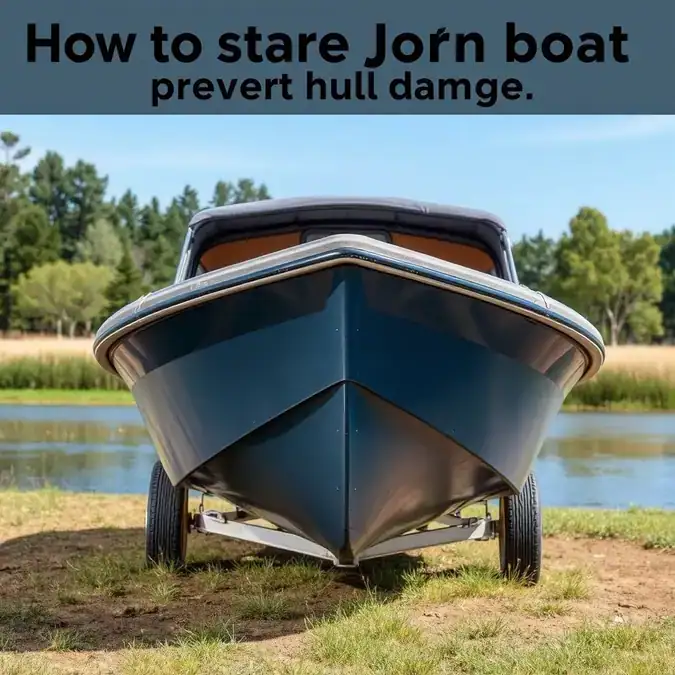
How to Store Jon Boat to Prevent Hull Damage: Easy Guide

Storing a jon boat the right way keeps the hull strong.
It saves money on repairs and extends boat life.
This guide shows how to store jon boat to prevent hull damage.
You will learn where to place the boat.
You will learn how to support it.
You will learn what to check before storage.
Estimated time: 30 minutes.
Difficulty level: easy.
Goal: protect hull from cracks, warping, and sun damage.
A well‑stored boat stays ready for the next trip.
You avoid costly gel‑coat fixes and hull blisters.
Follow these steps and enjoy peace of mind.
Check the trailer, tires, and cover before you start.
Make sure the storage area is dry and level.
Before You Start: Tools, Gear & Preparation
Gather the right items before you begin.
Having everything ready saves time and avoids mistakes.
| Item / Tool | Purpose | Optional / Required |
|---|---|---|
| Marine‑grade boat cover | Shields hull from UV, rain, and debris | Required |
| Jack stands or boat blocks | Supports hull evenly, prevents stress points | Required |
| Trailer tongue lock | Keeps boat from rolling on trailer | Required |
| Soft‑rubber pads or carpet scraps | Protects hull where it touches supports | Optional |
| Ratchet straps or tie‑downs | Secures cover and prevents wind lift | Required |
| Cleaning brush and mild soap | Removes dirt, salt, and algae before storage | Required |
| Garden hose | Rinses boat thoroughly | Required |
| Flashlight | Checks for hidden damage or water inside compartments | Optional |
Make sure the storage area is flat, dry, and out of direct sunlight.
Check the weather forecast; avoid storing if rain is expected within 24 hours.
Disconnect any shore power and remove electronics if you store for more than a week.
Captain’s Note: If you store on a trailer, chock the wheels and engage the parking brake.
How to Store Jon Boat to Prevent Hull Damage: Overview
The process has five clear steps.
Each step builds on the last to keep the hull safe.
Follow them in order and you will avoid common pitfalls.
Let’s begin with picking the best spot for your jon boat.
Step 1: Choose a Storage Location
Pick a place that is level and free of standing water.
A concrete pad, gravel bed, or paved driveway works well.
Avoid soft grass or sand that can shift under weight.
Make sure the spot is shaded or you will use a UV‑blocking cover.
Check for overhanging branches that could drop sap or leaves.
If you store outside, ensure the area is secure from theft or vandalism.
Captain’s Note: A slight slope of no more than 2 degrees helps water run off the cover.
Measure the space; you need at least 2 feet of clearance around the boat.
Link to official storage tips: BoatUS Storage Guide.
Step 2: Prepare the Boat
Wash the hull with fresh water and mild soap.
Remove algae, salt, and grime that can hold moisture.
Rinse thoroughly; let the boat dry completely.
Inspect the hull for cracks, blisters, or loose rivets.
Mark any damage with waterproof tape for later repair.
Drain all water from live wells, bilge, and compartments.
Leave drain plugs open to allow airflow.
Remove electronics, batteries, and fuel if storing longer than a month.
Spray a light coat of marine‑grade protectant on metal fittings.
Captain’s Note: A dry hull prevents mold and osmosis blisters.
Step 3: Support the Hull Properly
Place jack stands or blocks under the keel and chine.
Distribute weight evenly; avoid point loads that can dent the hull.
Use soft‑rubber pads where the hull touches the supports.
Check that the boat sits level side‑to‑side and fore‑aft.
Adjust stands until the hull does not flex when you press on it.
If storing on a trailer, keep the trailer tires inflated to proper PSI.
Engage the trailer parking brake and place wheel chocks.
Captain’s Note: Never let the hull rest on the trailer bunks alone for long periods.
Step 4: Cover and Secure the Boat
Drape the marine‑grade cover over the entire boat.
Make sure the cover extends at least 6 inches past the hull on all sides.
Secure the cover with ratchet straps or tie‑downs at the bow, stern, and midship.
Do not over‑tighten; the cover should be snug but allow airflow.
Check for any tears or loose seams before finalizing.
If you use a frame or poles under the cover, ensure they do not puncture the hull.
Captain’s Note: Ventilate the cover by leaving a small gap at the bow to prevent mildew.
Step 5: Perform Final Checks
Walk around the boat and look for any sagging cover.
Listen for loose straps that may flap in the wind.
Verify that the boat has not shifted on its supports.
Check that the drain plugs remain open.
Take a photo of the setup for future reference.
Set a reminder to inspect the boat every 4‑6 weeks.
During each inspection, remove debris, retighten straps, and look for water inside.
Captain’s Note: In snowy climates, brush off snow to avoid excess weight on the cover.
Common Mistakes & Troubleshooting
Even experienced boaters slip up sometimes.
Knowing what to avoid saves time and money.
Problem: Hull develops soft spots or blisters
Cause: Moisture trapped under the cover or in the hull.
Quick Fix: Remove the cover, dry the hull completely, and re‑apply a fresh cover with proper ventilation.
Problem: Cover tears or blows away
Cause: Weak tie‑downs or sharp edges on the boat.
Quick Fix: Replace damaged straps, add protective pads over sharp points, and re‑secure the cover.
Problem: Boat shifts on stands
Cause: Uneven ground or inadequate support.
Quick Fix: Re‑level the ground, add more stands, and use shims to fill gaps.
Problem: Mold or mildew inside compartments
Cause: Poor airflow and leftover moisture.
Quick Fix: Open all compartments, dry with a towel, and place moisture‑absorbing packets inside.
Frequently Asked Questions About How to Store Jon Boat to Prevent Hull Damage
How often should I check the boat during storage?
Check the boat every 4 to 6 weeks. Look for water, loose straps, and cover damage. Quick inspections prevent big problems.
Can I store my jon boat indoors without a cover?
Yes, if the indoor space is dry, clean, and free of pests. A breathable cover still helps keep dust off.
What type of cover is best for long‑term storage?
Choose a marine‑grade, UV‑treated, breathable cover. It blocks sun, repels water, and reduces mildew risk.
Do I need to remove the battery?
Remove the battery if storing longer than a month. Store it in a cool, dry place and charge it monthly.
Is it okay to leave fuel in the tank?
For storage over two months, add a fuel stabilizer and run the engine for 10 minutes. For shorter storage, a full tank with stabilizer works.
Final Thoughts
Storing your jon boat the right way keeps the hull strong and ready for adventure.
Follow the five steps, check regularly, and fix small issues fast.
Your boat will thank you with many seasons of safe, fun rides.
Get out there, enjoy the water, and keep your hull in top shape.
1 thought on “how to store jon boat to prevent hull damage: 5 Tips”