
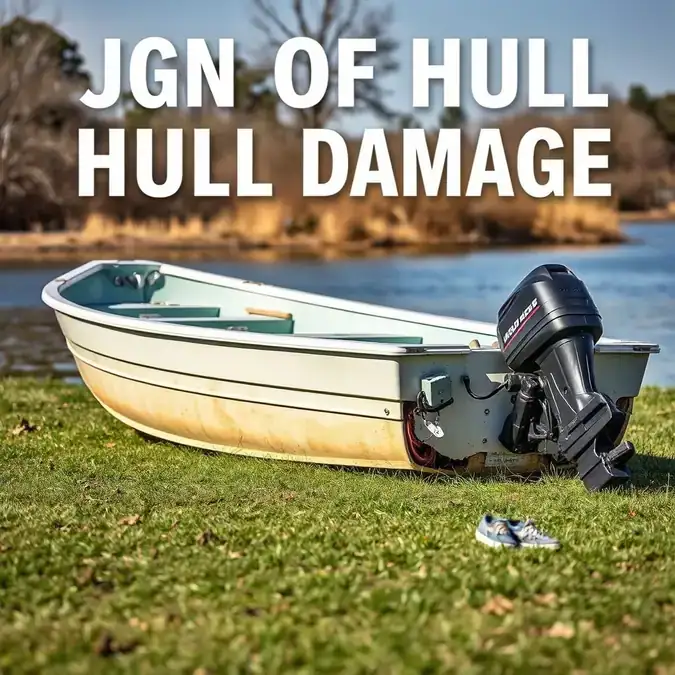
Signs of Hull Damage in a Jon Boat: Easy Guide to Stay Safe

Ever felt a bump and wondered if your boat is okay? Knowing the signs of hull damage in a jon boat can keep you safe and save money. This guide shows what to look for, what it means, and what to do next. Let’s get started.
Table of Contents
- Overview
- How to Spot Damage
- Common Types of Hull Damage
- What to Do If You Find Damage
- Prevention Tips
Overview: Why Hull Checks Matter
A jon boat hull takes a lot of abuse. Rocks, logs, and rough water can cause tiny cracks or big holes. Spotting damage early stops leaks and keeps you afloat. A quick look each trip can save a costly repair later.
How to Spot Damage: Simple Checks
Look at the hull in good light. Run your hand over the surface. Feel for any odd bumps or soft spots. Listen for a hollow sound when you tap. These are early signs of hull damage in a jon boat.
- Check the bottom for scratches or gouges.
- Look at the seams where plates meet.
- Inspect the transom for cracks or rot.
- Peek inside the boat for water stains or wet foam.
Common Types of Hull Damage
Below is a quick table of the most common signs and what they often mean.
| Sign | What It May Mean |
|---|---|
| Hairline crack | Stress from impact; may grow |
| Dent or dimple | Hit a rock; hull may be weakened |
| Soft spot | Water got inside foam; core may be rotted |
| Bubbling paint | Moisture under the coating |
| Rust stains | Metal fastener is corroding |
| Visible hole | Serious breach; needs fast fix |
What to Do If You Find Damage
Do not ignore any sign. Small cracks can be sealed with marine epoxy. Soft spots need the wet foam cut out and replaced. Holes may need a patch or professional weld. Always dry the area before you fix it.
If you are not sure, ask a trusted boat shop. A quick check now can keep you from sinking later.
Prevention Tips: Keep Your Hull Strong
Simple habits cut the risk of hull damage in a jon boat.
- Rinse the boat after each use, especially in salt water.
- Store the boat on a rack or trailer, not on the ground.
- Use fenders when docking to avoid scrapes.
- Check the hull before every trip, even if it looks fine.
- Apply a fresh coat of marine paint every few years.
Frequently Asked Questions About Signs of Hull Damage in a Jon Boat
What is the first sign I should look for?
The first sign is often a scratch or a dent on the bottom. Run your hand over the surface; any rough spot means a closer look.
Can I fix a small crack myself?
Yes. Clean the area, dry it, then apply marine epoxy or a hull repair kit. Follow the product directions for best results.
How often should I inspect my jon boat?
Inspect the hull before every outing. A quick visual and touch check takes only a few minutes and can catch problems early.