
Dead Battery or Insufficient Voltage: Motor Won’t Spin — Diagnosis & Fix Guide
You turn the key or push the start button. Nothing happens. Or maybe you hear a slow, grinding sound that never quite catches. The motor lacks power to spin, and your outdoor equipment sits dead in the yard.
This is one of the most common problems with gas-powered outdoor equipment like lawn mowers, riding mowers, tractors, and small engines. In most cases, the culprit is a dead battery or insufficient voltage reaching the starter motor.
This guide walks you through exactly what happens, how to diagnose the problem, and what steps to take next. You’ll learn to tell the difference between a dead battery and other electrical issues, understand why some systems fail before others, and know when a simple charge solves the problem versus when you need a replacement.
What “Insufficient Voltage” Actually Means
Your engine’s starter motor needs a specific amount of electrical power to spin the engine fast enough for it to start. Most small engines require at least 10 to 12 volts to engage the starter. When your battery cannot deliver this voltage, the motor lacks power to spin properly.
A healthy 12-volt battery in good condition should read between 12.6 and 12.8 volts when the engine is off. During starting, voltage drops temporarily. But if the battery cannot hold charge or deliver enough current, the starter either does nothing or spins far too slowly to turn the engine over.
Insufficient voltage is different from no voltage at all. Sometimes a battery has just enough power to click a solenoid but not enough to spin the starter. Other times it reads a seemingly normal voltage on a meter but cannot deliver the high current the starter demands.
How Your Equipment’s Electrical System Works
Understanding the basics helps you diagnose the problem faster. Your outdoor equipment’s electrical system has three main components working together:
The Battery stores electrical energy and provides power for starting. It also powers lights, accessories, and safety systems like the PTO (Power Take-Off) clutch on riding mowers and tractors.
The Charging System, usually an alternator or stator, generates electricity while the engine runs. This recharges the battery and powers electrical components. On small engines, the charging system is often smaller and less robust than in cars.
The Starter Motor draws heavy current from the battery to physically spin the engine. This is the component that needs the most power, and it is the first to fail when battery voltage drops too low.
These three parts must work together. A weak battery cannot power the starter properly. A failed charging system cannot recharge a depleted battery. A faulty starter can drain a good battery quickly. Understanding which part is failing is the key to fixing the problem.
Signs Your Battery or Voltage Is the Problem
Not all starting problems point to the battery. Here is how to recognize when insufficient voltage is the cause:
The engine does not crank at all. When you turn the key, you hear nothing. No click, no whir, no attempt to start. This often means the battery has dropped below the threshold needed to activate even the starter solenoid.
The engine cranks very slowly. The starter spins, but you can hear it struggling. The engine turns over sluggishly and never catches. This is a classic sign of low voltage or a weak battery that cannot deliver enough current.
The lights work but the engine does not start. Your headlights or dashboard lights come on normally, but the starter fails to engage. The battery has enough power for low-draw accessories but not enough for the high current starter demand.
You hear clicking from the solenoid. A rapid clicking sound usually means the battery has just enough power to activate the solenoid but not enough to power the starter motor itself.
The PTO will not engage. Many riders report that a weak battery causes the PTO switch to fail or the clutch to refuse engagement. This happens because the PTO system requires solid voltage to activate its electromagnetic clutch.
How to Test Battery Voltage
Testing is the only way to know for certain whether your battery is the problem. You need a digital multimeter, available at any auto parts store for under $20.
Step 1: Set the multimeter to DC voltage. Turn the dial to the 20-volt range or closest setting above 12 volts.
Step 2: Touch the probes to the battery terminals. Red goes to the positive terminal, black to the negative. Make sure the connections are clean and secure.
Step 3: Read the display with the engine off. A fully charged battery reads between 12.6 and 12.8 volts. A reading of 12.4 volts means the battery is partially discharged. Anything below 12 volts indicates a discharged or failing battery.
Step 4: Test while cranking the engine. Have someone try to start the engine while you watch the multimeter. The voltage should not drop below 9 to 10 volts during cranking. A severe drop indicates a weak battery that cannot deliver enough current.
If you do not have a multimeter, most auto parts stores will test your battery for free. Remove the battery from your equipment first and bring it in.
Battery vs Alternator vs Starter: How to Tell the Difference
Many starting problems feel the same, but the root cause matters for the fix. Here is how to narrow it down:
If the engine does not crank but lights and accessories work: The battery may be discharged but the charging system and starter could be fine. Try jump-starting or charging the battery.
If jump-starting works but the engine dies shortly after removing the cables: Your charging system is not replenishing the battery. This points to a bad alternator or stator.
If the engine cranks normally on a jump but will not start on its own battery: The battery is weak or cannot hold a charge. The starter and charging system are likely healthy.
If jump-starting does not help at all: The problem may be the starter motor, solenoid, or a bad electrical connection. You would hear clicking or nothing when attempting to start.
A useful test involves load-testing the battery. This applies a simulated starting load and reveals whether the battery can deliver the high current needed. Auto parts stores perform this test as well.
Why PTO Systems Are Extra Sensitive to Battery Voltage
You may notice that your PTO clutch or switch fails before the starter does when the battery is weak. This is not a coincidence.
The PTO (Power Take-Off) clutch on riding mowers and garden tractors uses an electromagnet to engage the blade drive. This system requires consistent voltage, usually above 11 volts, to activate and stay engaged.
When battery voltage drops, the starter motor gets priority because it physically must turn the engine. But the PTO clutch is left with whatever voltage remains, and that is often not enough.
Some riders report that their engine starts fine but the PTO refuses to engage on a weak battery. Others find that the PTO causes the engine to stall when engaged because the battery cannot maintain voltage under the combined load. This is a common symptom that points clearly toward insufficient voltage rather than a faulty PTO switch or clutch.
Common Causes of Battery Drain
Understanding why batteries die helps you prevent future problems. Several factors commonly drain batteries in outdoor equipment:
Short trips or light use. Running your mower for 20 minutes every two weeks does not give the charging system enough time to fully recharge the battery. Batteries lose charge faster than they regain it under light use.
Parasitic drain. Some equipment draws small amounts of power even when off, for clocks, sensors, or electronic modules. Over time, this drains a sitting battery.
Corrosion and loose connections. White or green buildup on battery terminals increases resistance and prevents proper charging. Loose cables have the same effect.
Old age. Batteries wear out. Most equipment batteries last 3 to 5 years. After that, capacity drops and they cannot hold charge as well.
Extreme temperatures. Heat accelerates battery degradation. Cold weather reduces available cranking power. Seasonal equipment that sits through winter is especially vulnerable.
When a Weak Battery Seems to Work But Does Not
Sometimes a battery reads acceptable voltage on a meter but still fails to start the engine. This confuses many owners.
The issue is the difference between voltage and cranking amps. A battery can show 12.5 volts but lack the ability to deliver the 100 to 200+ amps the starter motor requires. This happens when battery internals degrade, reducing capacity even if surface voltage appears normal.
A load test reveals this condition. The test applies resistance to the battery and watches whether voltage holds or collapses. A battery that fails a load test needs replacement regardless of what a simple voltage check shows.
This is also why a jump-start might work temporarily. The donor battery provides extra current to supplement the weak battery. But if the original battery cannot hold charge, you are just delaying the inevitable failure.
Safety Considerations When Working With Batteries
Batteries contain sulfuric acid and produce explosive hydrogen gas. Handle them carefully:
- Disconnect the negative terminal first when removing a battery. Reconnect it last when installing.
- Do not smoke or use open flames near batteries.
- Wear safety glasses if available when working with batteries.
- Clean corrosion with baking soda and water, not bare hands.
- Secure batteries firmly. A loose battery can leak acid or cause electrical shorts.
- Charge batteries in well-ventilated areas to disperse hydrogen gas.
Practical Troubleshooting Steps
Follow this sequence to diagnose your starting problem:
Step 1: Check the obvious. Make sure the equipment is in park or neutral. Verify the brake or clutch is engaged. Some mowers have a blade engagement lever that must be disengaged to start.
Step 2: Test or charge the battery. Use a multimeter to check voltage, or try charging the battery with a trickle charger overnight. Attempt to start the engine again.
Step 3: Jump-start the equipment. If charging does not help, try jump-starting from a car battery or portable jump pack. Use jumper cables rated for starting engines. Connect red to positive on both batteries, then black to negative on the good battery and a metal ground on the dead machine.
Step 4: Load-test the battery. If the equipment starts with a jump but not on its own battery, have the battery load-tested. Replace it if it fails.
Step 5: Inspect connections and cables. Check battery terminals for corrosion. Clean them with a wire brush if needed. Ensure cables are tight and not frayed.
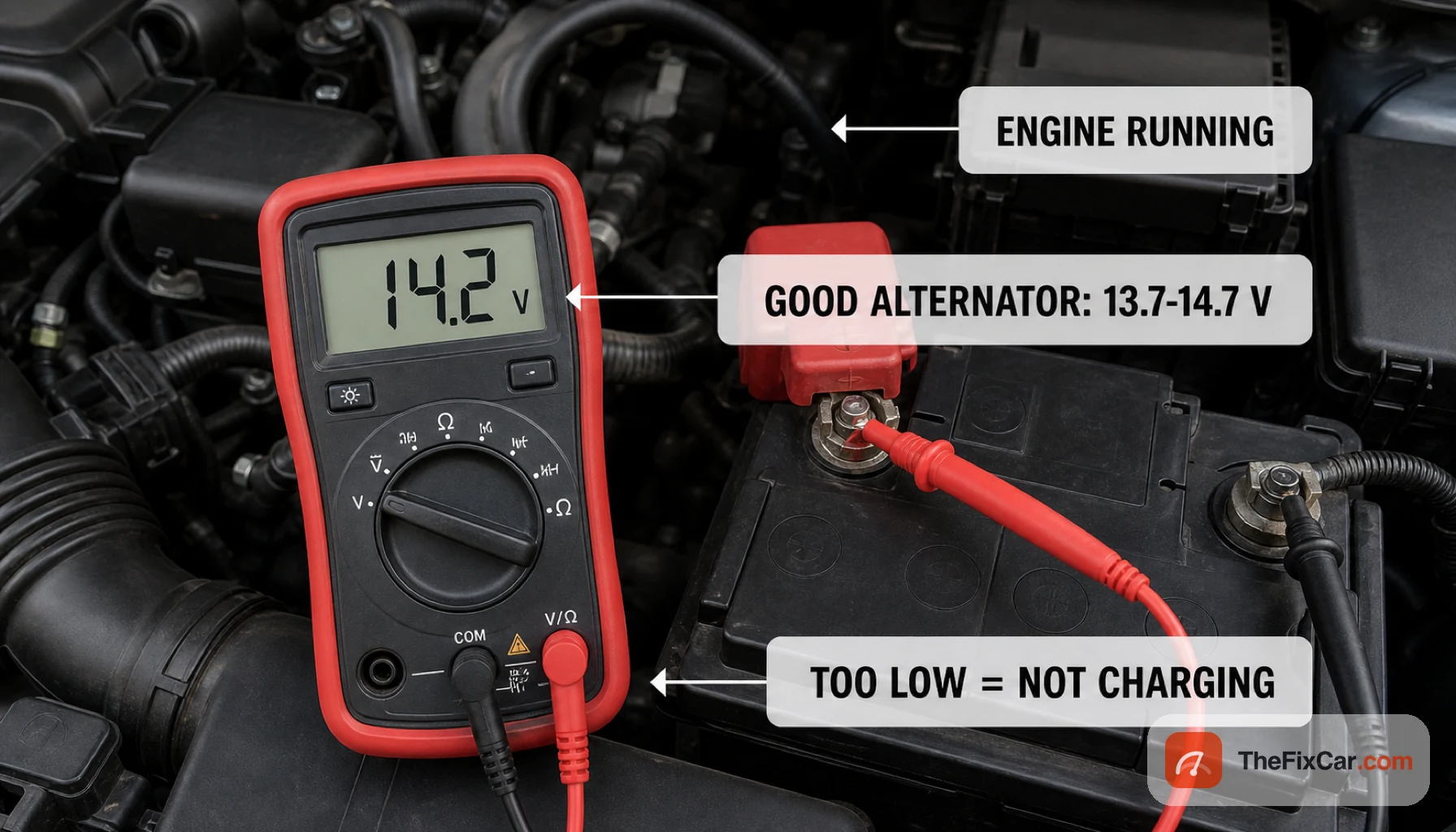
Step 6: Check the charging system. If the new or charged battery still fails, the charging system may not be working. Test output voltage at the battery while the engine runs. It should read 13.5 to 14.5 volts with the engine at moderate throttle.
Preventing Battery Problems
A few simple habits extend battery life and prevent starting failures:
Use a battery maintainer or trickle charger during long storage periods. This keeps the battery at optimal charge without overcharging. Many owners leave equipment sitting for weeks or months without realizing the battery is slowly draining.
Run your equipment for at least 30 minutes regularly. This gives the charging system time to replenish the battery fully.
Keep terminals clean and tight. Check them at the start of each season and clean any corrosion with a baking soda solution.
Consider a battery with higher cranking amps if you operate in cold climates. Cold weather dramatically reduces available power, and a marginal battery may fail when temperatures drop.
Replace batteries every 3 to 5 years proactively. Waiting for complete failure often leaves you stranded at the worst possible time.
Key Takeaways
A motor that lacks power to spin usually indicates a dead battery or insufficient voltage. Test your battery with a multimeter to check voltage levels. A reading below 12 volts when the engine is off suggests a discharged or failing battery.
Jump-starting confirms whether the battery is the problem. If a jump starts the engine but it dies immediately or cannot start without the jumper, the charging system or battery is likely faulty.
Test the battery under load to determine if it can deliver cranking amps, not just show acceptable voltage. Replace batteries that fail load tests.
Maintain batteries during storage, keep connections clean, and replace aging batteries before they leave you stranded. Regular use and proper charging extend battery life significantly.
Frequently Asked Questions
How can I tell if it’s a bad battery or a bad alternator?
If the engine starts with a jump but dies shortly after removing the jumper cables, the charging system is not working and the alternator or stator needs replacement. If the engine will not start even with a jump, the starter motor or a poor battery connection may be the issue.
Can a dead battery cause reduced engine power?
Yes. When battery voltage drops while running, the charging system strains to compensate. This can cause electrical components to underperform and the engine to run roughly, especially under load. A weak battery forces the alternator to work harder, and some equipment responds by reducing power output to protect the charging system.
Will a weak battery prevent the PTO from engaging?
Yes. PTO clutches require consistent voltage to activate. A weak battery often has enough power to start the engine but not enough to energize the PTO clutch. If your blades will not engage but the engine starts fine, check battery voltage and condition.
How long will an engine run after a dead battery?
An engine with a completely dead battery will not run at all unless you jump-start it. Once running with a jump, the engine will continue to run as long as the charging system works. But if you shut it off, you will need another jump or a charged battery to restart.
What causes a battery to die when the PTO switch is pulled?
The PTO switch activates the electromagnetic clutch, which draws significant current. If the battery is weak, this sudden draw can cause voltage to drop severely. The starter motor loses power, the engine stalls, and the PTO clutch disengages because there is not enough voltage to hold it engaged.
Why does my car start fine but my mower does not, even with the same battery age?
Car batteries are designed for high cranking power and frequent deep cycling. Mower batteries are often smaller with less reserve capacity. They also sit unused longer between uses, leading to faster discharge and degradation.