
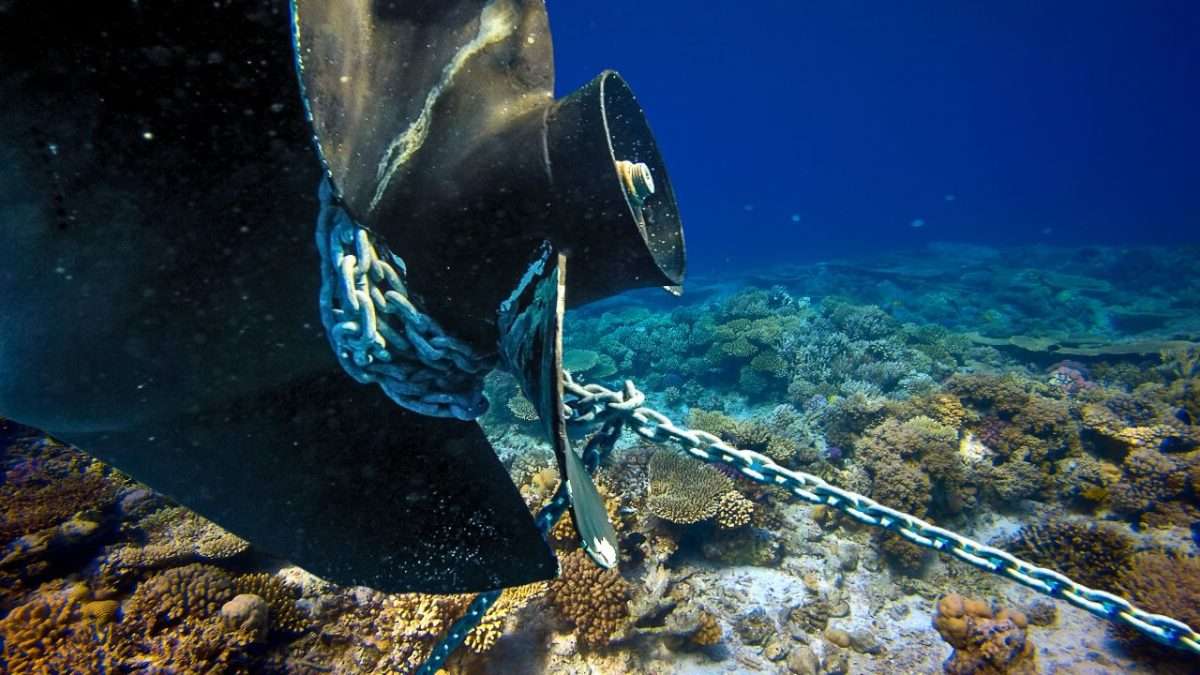
Propeller Entangled or Damaged? How Physical Obstruction Prevents Spinning
You’re pushing your boat through calm waters, confident in the smooth glide of your engine. Then the engine struggles. The response comes back: my propeller won’t spin. At first, you might assume low fuel or a bad battery. But after investigating the engine bay, the culprit becomes obvious—something is physically blocking the propeller. In this guide, we explain what propeller entanglement or damage looks like, why it happens, how to fix it safely, and how to prevent future incidents.
What Is Propeller Entanglement or Damage?
A propeller entangled or damaged refers to any condition where a physical object has caught on, twisted, or broken part of the propeller. The result is that the propeller cannot rotate freely, which reduces engine performance, creates unusual noise, or causes the vessel to lose propulsion entirely.
The most common form involves a rope, wire, or netting wrapping around the propeller shaft or blade. In severe cases, abrasive material or a foreign object can scratch or chip the metal blades, reducing efficiency and potentially causing structural stress. Understanding whether the issue is entanglement, damage, or both is the first step toward solving it.
Common Causes of Physical Obstruction
Outdoor boaters face many potential hazards that can trap a propeller. Ropes left on docks, fishing lines cast from shore, discarded fishing nets, and even debris from the bottom of the waterway can wrap around the propeller during operation.
- Fishing gear: A hook, line, or net can become caught once the boat moves. Even a small piece of twine can wind tightly around the shaft.
- Anchor lines: When retrieving a heavy anchor, the line may tangle with the propeller after the winch cycles.
- Debris and vegetation: Buoyant trash, seaweed, or floating logs can snag when the bow runs through shallow water.
- Marine life: In some regions, birds or other animals may carry objects onto the water during feeding, leaving them behind.
Signs That Your Propeller Has Been Damaged or Obstructed
Knowing the warning signs helps you address the problem quickly before it worsens. Look for these indicators while the engine is running:
| Signal | What It Means |
|---|---|
| Engine makes grinding or metallic scraping noises | Some obstruction is preventing smooth rotation |
| Vessel pulls backward or lurches sideways | Power delivery is uneven due to blocked rotation |
| Unusual vibrations or shaking at idle | Imbalance from misaligned or damaged blades |
| Battery drain despite normal cruising | Engine struggling against resistance increases load |
If you hear loud grinding, see slipping clutches, or feel erratic steering, treat the propeller as immediately non-functional. Shut down the engine and assess the situation before attempting any repair.
Immediate Actions When Your Propeller Won’t Spin
When faced with a spinning-propeller emergency, your priority is safety and preserving the machinery. Here is a step-by-step approach:
- Secure the boat: Engage the throttle in neutral or reverse briefly to disengage the drive. If possible, steer the vessel away from the obstruction.
- Assess visibility: Slowly move the boat along the shoreline or dock. Do not attempt to run the engine until you have identified the hazard.
- Shut down the engine: Allow the engine to cool slightly. Running a hot engine with a blocked propeller can cause overheating.
- Inspect the propeller: Once safe, visually examine the shaft, blades, and surrounding area for ropes, nets, or other objects.
If you find a clearly isolated object, remove it carefully. Do not try to force anything that looks jammed under tension—it could rip the propeller or damage the shaft.
How to Safely Remove an Entangled Propeller
Removing an entangled propeller requires patience and the right tools. Follow these guidelines to protect yourself and your equipment:
- Use the correct tools: A flare knife or wire cutter works well for cutting ropes. Have spare pliers ready for stubborn knots.
- Work at an angle: Rotate the boat slowly so the propeller remains stable. Never yank the shaft suddenly.
- Cut above the obstruction: Identify the rope or line and make a parallel cut to free the propeller. Work away from the waterline to reduce slip risk.
- Clear the area: After removal, sweep the vicinity to ensure nothing else is left behind that could re-entangle the sail.
If the obstruction is embedded deep in the shaft or blades, professional assistance is recommended. Attempting aggressive disassembly without proper training can crack the hub or bend the shaft.
Preventing Future Propeller Obstructions
Proactive maintenance is far more effective than reactive repairs. Implementing a regular inspection routine can catch hazards before they become emergencies.
| Maintenance Task | Frequency | Purpose |
|---|---|---|
| Visual propeller check | ||
| Every trip or weekly | ||
| Spot-check for loose lines or nets | ||
| Blade inspection | ||
| Monthly | ||
| Look for cracks, wear, or corrosion | ||
| Clean propeller surface | ||
| Quarterly | ||
| Remove barnacles and buildup |
Store lines properly when not in use. Coil them loosely at the dock, avoiding kinks that can later snap. Educate crew members about the dangers of leaving gear unattended near the propeller shaft. These habits extend engine life and keep your vessel moving reliably.
When to Call a Professional
Not every jam requires home repair. Seek professional help when:
- The propeller is severely cracked or bent
- Multiple cuts or damaged blades require replacement
- You suspect hidden damage below the waterline
- The engine continues to struggle despite removing the obvious obstruction
Qualified marine technicians have specialized tools for removing deep-seated obstructions and assessing shaft integrity. They can also recommend blade resurfacing or entire propeller replacement if needed.
Practical Tips for Boat Owners
Protecting your propeller is an ongoing process. Consider these practical habits:
Always disconnect the engine before working around the propeller area. Use a bright-colored tow line to mark your intended route and keep children or pets away from the work zone.
Install a simple anti-tangle device if your model supports one. Some modern boats offer a rotating cutter on the propeller hub designed specifically to prevent future jams. While not a substitute for vigilance, such devices add an extra layer of protection.
Finally, review your local marina rules regarding abandoned equipment. Discarded fishing gear or debris can create hazards for everyone, including anglers who are unaware that the object was illegally left behind.