
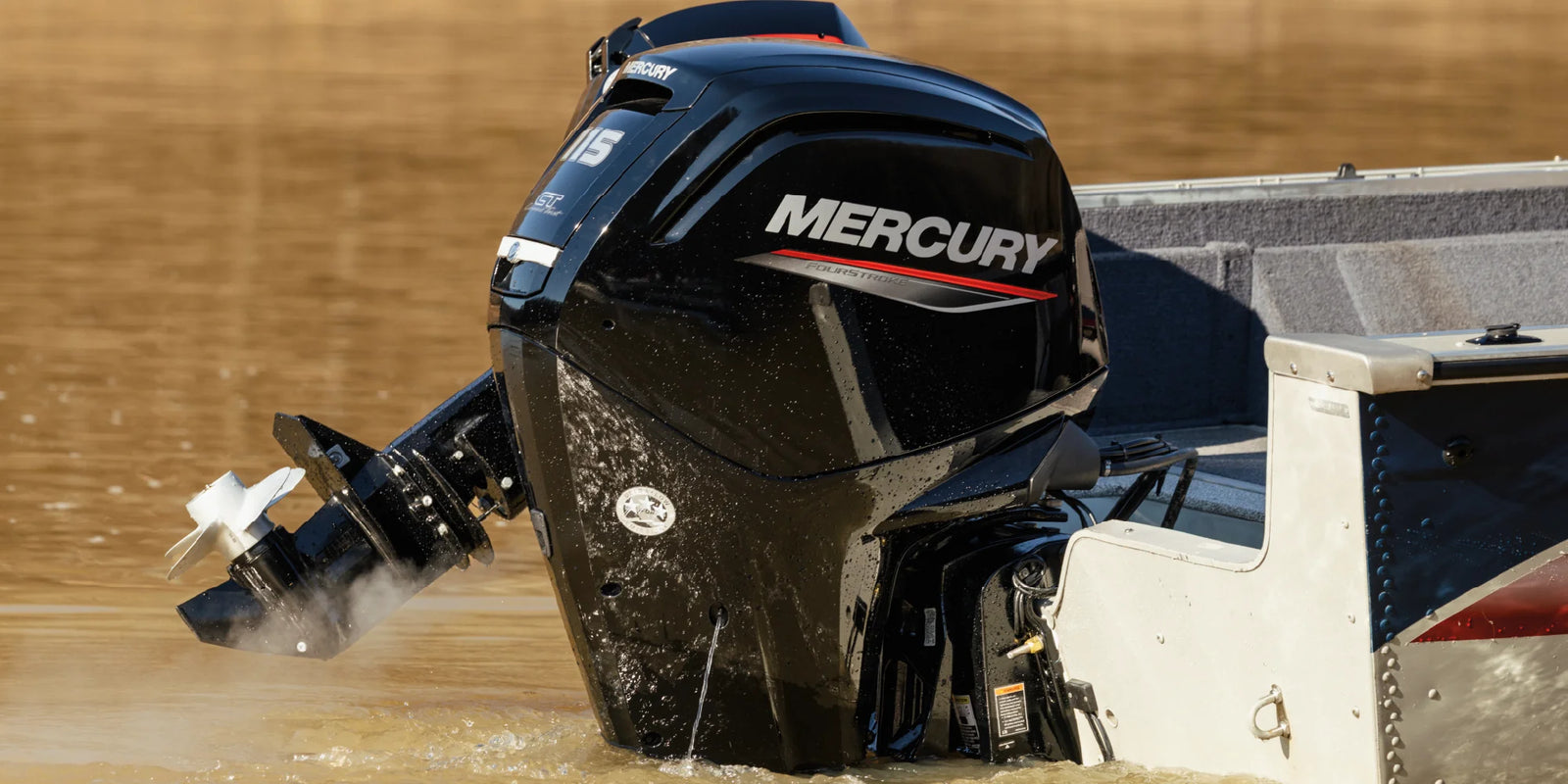
Why Does My 1996 Mercury 40 Outboard Stop Running? Causes and Practical Fixes
You’re on the water, enjoying a quiet day, when the engine sputters and dies. A 1996 Mercury 40 outboard that stops running without warning is a common issue for owners of older two-stroke models. The problem usually stems from fuel delivery, ignition system wear, or electrical connections that have corroded over years of saltwater exposure. In this article, you’ll find the most likely causes, how to identify which one affects your motor, and practical steps you can take to restore reliable operation. We’ll cover everything from simple checks you can do at the dock to more involved diagnostics, all without requiring specialized factory equipment.
Understanding why your motor stops helps you decide whether you can fix it on the spot or need professional service. Below are the most frequent reasons a 1996 Mercury 40 outboard loses power and dies, along with the order in which many troubleshooters recommend checking them.
Fuel Delivery Problems Often Cause Sudden Engine Death
Fuel system issues are the leading cause of unexpected outboard shutdowns. A clogged fuel filter, a restricted tank vent, or a leaking carburetor gasket can interrupt the air-fuel mixture, especially under load or at idle.
Over time, ethanol-blended fuel leaves deposits that block the small passages inside the carburetor. The float bowl may accumulate debris, causing the fuel level to become inconsistent. When the engine demands more fuel—such as during acceleration—the mixture leans out, the motor stalls, and it may not restart until the fuel path clears.
Another often-overlooked culprit is the fuel tank vent. If the vent is blocked, a vacuum forms in the tank as fuel is consumed, preventing new fuel from entering the system. The engine runs for a short time, then loses power and stops. Once the vent equalizes, it may start again—only to die repeatably.
Checking the fuel filter is the simplest first step. If it appears contaminated, replace it. If the filter looks clean, disconnect the fuel line at the carburetor and observe the flow into a clear container. A weak or intermittent stream suggests a blocked filter, kinked line, or vent issue. Listening for a hissing sound when loosening the fuel cap can also indicate a vacuum problem.
Ignition System Failures Can Mimic Fuel Issues
When fuel delivery checks out, the ignition system deserves attention. A worn spark plug, a faulty ignition coil, or a corroded kill switch can cause the engine to misfire and die, often without warning.
Spark plugs on older Mercury two-stroke outboards should be inspected every 100 operating hours. Carbon fouling, electrode gap wear, or cracked insulators prevent consistent spark formation. If the plug looks black and sooty, it may indicate a rich mixture; if it’s blistered or white, the engine may have been running hot.
The ignition coil generates the high voltage needed for spark. A failing coil may work intermittently—especially when the engine is cold—and fail as it heats up. Testing spark strength with a spark tester (available at most marine parts stores) can reveal whether the coil is delivering a strong, blue spark or a weak, yellow one.
Corrosion on the kill switch or emergency stop cap is also common. Saltwater intrusion can create a high-resistance path that intermittently breaks the circuit. Spraying electrical contact cleaner into the switch and operating it several times often restores function. If the switch feels loose or the button sticks, replacement is straightforward and inexpensive.
Oil Injection System Concerns Specific to Older Mercury Two-Strokes
Many 1996 Mercury 40 outboards use an oil injection system that mixes two-stroke oil with fuel automatically. If the pump fails or the oil line becomes restricted, the engine may run briefly and then stop due to insufficient lubrication.
A faulty oil injection pump can dump too much oil, causing the engine to flood, or too little, leading to overheating and seizure. Some owners convert to pre-mixed fuel for simplicity, but if you keep the original system, listen for the pump’s characteristic humming sound when priming. If silence follows priming, the pump or its fuse may be the issue.
Checking the oil reservoir level and ensuring the lines are free of cracks or kinks is a quick inspection. If the pump is suspected, a mechanic can test its output pressure. Note that modifying or bypassing the oil injection system without proper knowledge can damage the engine, so verify any changes with a qualified technician.
Electrical Connections and Grounding Issues
Corrosion on battery terminals, ground straps, and wiring harnesses is nearly universal on boats of this age. A poor ground connection can cause the engine to behave erratically, including unexpected shutdowns, especially when the throttle is advanced.
Inspect the ground strap between the engine block and the transom. It should be clean, tight, and free of green or white crust. A multimeter set to resistance mode can verify continuity; a reading above a few ohms suggests the strap needs replacement.
Wiring harnesses running through the swivel area are exposed to constant movement and spray. Look for chafed insulation, green corrosion on terminals, or loose pins. Replacing a few dollars worth of heat-shrink tubing and terminal connectors can prevent larger electrical failures down the road.
Step-by-Step Diagnosing at the Dock
- Check the fuel tank level and ensure the vent is open. Open the fuel cap briefly to equalize pressure, then try starting.
- Inspect the fuel filter and replace if dirty. Observe fuel flow at the carburetor inlet.
- Remove and examine the spark plug. Clean the gap or install a new plug if the old one looks fouled.
- Test for spark at the plug using a spark tester. A weak or absent spark points to the coil, kill switch, or wiring.
- Verify the ground strap continuity between the engine and boat chassis.
- Prime the oil injection system and listen for the pump to engage.
If the motor starts and runs briefly then dies again, the pattern often points back to fuel delivery—specifically a blocked vent or carburetor passage. If it cranks but won’t stay running regardless of adjustments, ignition or electrical issues are more likely.
Common Mistakes to Avoid During Troubleshooting
Replacing parts without confirming the root cause is the most expensive mistake. A new coil won’t help if the real problem is a $5 fuel filter. Similarly, assuming the issue is “old gas” without checking the filter, vent, and carburetor can leave the actual problem unresolved.
Another frequent error is ignoring the condition of the fuel hose. Cracked or deteriorated hoses can leak fuel, creating a fire hazard. Replace any hose that feels brittle, shows signs of swelling, or has been in service for more than ten years.
Finally, don’t overlook the simplest explanations. A loose throttle cable, a partially engaged shift lever, or a engaged trim limit switch can all mimic engine failure. Run through the basic controls before diving into deep diagnostics.
Prevention and Regular Maintenance
Many of the issues that cause a 1996 Mercury 40 to stop running can be prevented with consistent maintenance. Replace the fuel filter at the start of each boating season, and more often if you use the boat frequently. Use a fuel stabilizer if the motor will sit for more than a month, and whenever possible, fill with non-ethanol gasoline.
Flushing the cooling system with fresh water after every saltwater outing removes salt deposits that can affect engine performance and longevity. Inspect spark plugs annually, and clean or replace them as needed. Keeping the battery terminals tight and coated with dielectric grease reduces corrosion and ensures reliable starting.
Storing the outboard in a dry, covered location during the off-season also protects electrical components from moisture damage. If the boat will be idle for several months, consider removing the spark plugs and adding a small amount of oil into each cylinder, then cranking the engine a few times to distribute it before storage.
When to Seek Professional Help
If you’ve checked the fuel system, spark, and ground connections and the motor still stops unexpectedly, it’s time to consult a certified marine technician. They have access to specialized test equipment such as compression testers, leak-down gauges, and carburetor synchronization tools that can pinpoint internal engine or electronic issues.
Additionally, if the motor overheats, produces excessive smoke, or makes knocking sounds before stopping, internal engine damage may be present. Continuing to operate a damaged engine can turn a minor repair into a major overhaul.
Professional service is also recommended if you’re considering converting from oil injection to pre-mixing, or if you need a complete carburetor rebuild. The cost of a diagnostic visit is typically far less than the cost of replacing parts that don’t fix the problem.
Practical Takeaways
- A clogged fuel filter, blocked tank vent, or carburetor gasket leak are the most common causes of sudden engine shutdown on a 1996 Mercury 40 outboard.
- Inspect and clean or replace the fuel filter before moving to more complex diagnostics.
- Check spark plug condition and spark strength; replace the plug or test the coil if spark is weak.
- Verify the fuel tank vent and ground strap are functioning properly—these simple items cause surprisingly many no-start or stall complaints.
- When in doubt, seek a professional marine technician’s diagnosis rather than replacing parts blindly.
- Regular maintenance—fuel filter changes, fresh fuel, annual spark plug inspection, and post-saltwater flushing—goes a long way toward preventing unexpected stalls.
Frequently Asked Questions
Why does my 1996 Mercury 40 outboard start then die after a few seconds?
This symptom typically indicates a fuel delivery interruption. A blocked tank vent creates a vacuum that stops fuel flow after the engine consumes the fuel already in the carburetor bowl. Similarly, a clogged fuel filter or contaminated carburetor jet can allow just enough fuel for a brief run before the engine leans out and stops.
What causes a Mercury outboard to stall at idle?
Idle stalling often results from an improper air-fuel mixture at low throttle. A worn or incorrectly gapped spark plug, a vacuum leak around the carburetor base, or a misadjusted idle speed screw can all cause the engine to fall below its minimum stable RPM at idle. Cleaning the carburetor and checking the spark plug are the first steps.
Can ethanol fuel damage a 1996 Mercury 40 outboard?
Yes. Ethanol attracts moisture and can dissolve plastic and rubber components inside the fuel system. Over time, it may degrade fuel hoses, warp carburetor floats, and leave deposits that block small passages. Using non-ethanol gasoline and a quality fuel stabilizer helps protect the system, especially during storage.
How often should I replace the fuel filter on my Mercury 40?
< p>Most manufacturers recommend replacing the fuel filter at least once per boating season, or every 100 hours of operation, whichever comes first. If you operate the boat in dirty or humid conditions, or if you notice reduced performance, replace it more frequently.What should I do if my outboard stops running while I’m on the water?
< p>First, check the fuel cap—open it briefly to equalize tank pressure. Then inspect the fuel filter for blockage, and verify that the spark plug is producing a strong blue spark. If both seem functional, the problem may be a restricted tank vent or a faulty kill switch. If you cannot identify the cause, head to shore and perform a more systematic diagnosis there.Is it safe to convert my oil injection system to pre-mixed fuel?
Many owners successfully convert to pre-mixing, but it requires accurately calculating the correct oil-to-fuel ratio for your operating conditions. Incorrect mixing can lead to either lean fuel mixture damage or excessive oil buildup. If you’re unsure, have a marine technician perform the conversion and verify the engine’s performance afterward.
Final Thoughts
The most important takeaway is that a 1996 Mercury 40 outboard stopping running is usually a fuel, spark, or electrical issue that can be diagnosed with basic tools and systematic checking. Starting with the simplest checks—the fuel filter, tank vent, and spark plug—often reveals the cause without needing professional service. Regular maintenance and using quality fuel go a long way toward keeping your outboard reliable for many seasons on the water.