
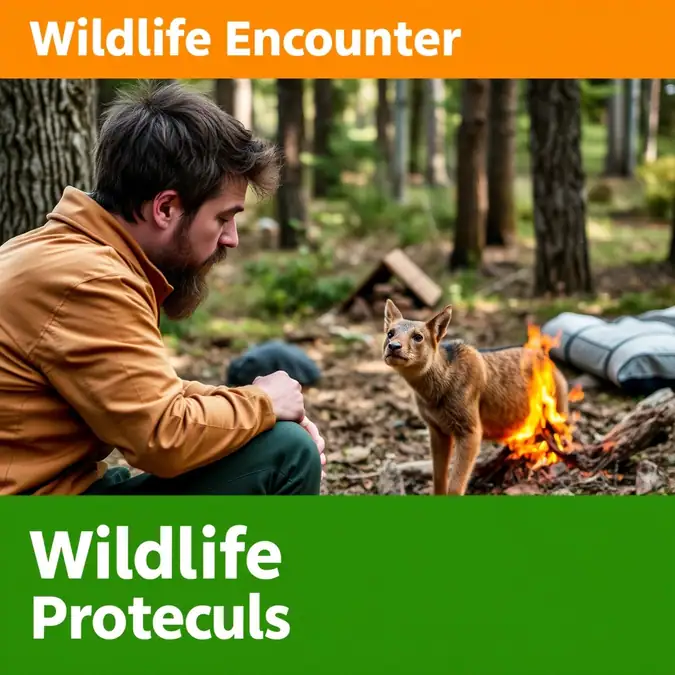
Wildlife Encounter Protocols Camping: Stay Safe Out There

Have you ever heard a twig snap near your tent at night? Your heart races. You wonder what is out there. A deer? A bear? A raccoon looking for snacks? Knowing wildlife encounter protocols camping can turn fear into calm action. This guide covers the main rules to keep you and the animals safe. You will learn what to do before, during, and after a wild animal shows up at your camp.
Why Wildlife Rules Matter
Wild animals live in the woods. We are guests in their home. When we camp, we bring smells, sounds, and food. These things attract curious critters. A fed animal becomes a bold animal. A bold animal can get hurt or put people at risk. Following set protocols protects everyone. It keeps the wild wild. It keeps your trip fun and safe.
Before You Go: Prep Your Camp
Pick The Right Spot
Where you set up matters. Do not camp on game trails. Do not camp near berry patches. Do not camp close to water sources where animals drink. Choose open ground with good sight lines. You want to see what approaches. You also want animals to see you and move on.
Store Food The Right Way
Food storage is rule number one. Use a bear canister or a bear bag hung high. Hang bags ten feet up and four feet out from the trunk. Never keep food in your tent. Never keep toiletries in your tent. Toothpaste smells like a treat to a bear. Put all scented items in your storage system. This includes trash, cook clothes, and pet food.
Cook Away From Sleep
Cook at least one hundred feet from your tent. Change clothes after cooking. Hang the cook clothes with the food. This keeps food smells away from your sleep area. A clean camp is a safe camp.
Common Camp Visitors And How To Act
Different animals need different responses. Here is a quick guide for the most common encounters.
| Animal | Typical Behavior | Your Response |
|---|---|---|
| Black Bear | Curious, food-driven, usually shy | Make noise, look big, back away slow, do not run |
| Grizzly Bear | Defensive, protective of cubs/food | Stay calm, speak low, back away, have spray ready |
| Mountain Lion | Stalking, rare to see | Eye contact, look big, shout, throw things, fight back if attacked |
| Coyote | Bold near camps, usually solo | Haze loud, wave arms, do not feed, secure pets |
| Raccoon | Smart, nimble, night raiders | Secure all food, clap loud, shine light, never hand feed |
| Moose | Unpredictable, fast, protective | Give space, hide behind tree, run if charged |
During An Encounter: Step By Step
Stop And Assess
Freeze. Do not run. Running triggers chase instinct. Look at the animal. Note its distance. Note its body language. Ears forward means curious. Ears back means agitated. Huffing or jaw popping means warning. Know the signs.
Identify Yourself
Speak in a calm, firm voice. Say “Hey bear” or “Hello there.” Let the animal know you are human. Not prey. Not a threat. Just a person passing through.
Make Yourself Big
Raise your arms. Open your jacket. Stand on a log or rock if safe. Wave slowly. Look large. Do not crouch. Do not hide. Small looks like prey.
Back Away Slowly
Move sideways or at an angle. Keep eyes on the animal. Do not turn your back. Do not make direct eye contact with cats or bears. It can seem like a challenge. Glance at the ground. Watch peripheral.
Use Deterrents If Needed
Bear spray works. Keep it on your hip. Not in your pack. Practice taking the safety off. Spray when the animal is thirty feet away. Aim low. Make a cloud. Wind matters. Check wind direction first. Air horns and loud whistles also work for smaller critters.
Special Cases: Cubs And Carcasses
Never Get Between Mom And Babies
This is the most dangerous situation. If you see cubs, the mother is close. Back away fast but calm. Do not stop to take photos. Do not try to help a “lost” cub. Leave the area at once.
Dead Animals Mean Danger
If you smell rot or see birds circling, a carcass is near. Predators guard food caches. Leave the area. Do not investigate. Report it to rangers if in a park.
Night Protocols: Sleep Safe
Set Up A Perimeter
Use a flashlight to scan camp before bed. Check food storage one more time. Zip tent fully. Keep bear spray and light within arm reach. Some campers use a trip alarm. A string with cans works. It gives early warning.
What If You Hear Something
Stay in your tent unless safety demands exit. Make noise from inside. Clap. Shout “Go away!” Shine light out the door. Most animals flee human noise. If a bear pushes the tent, fight back. Aim for nose and eyes. This is rare but possible.
After An Encounter: Report And Reset
Once the animal leaves, stay alert. It may circle back. Pack up if you feel unsafe. Move to a new site if allowed. Report the encounter to park staff or rangers. They track patterns. They warn other campers. Your report helps everyone.
Check your gear. Did the animal get food? Did it damage anything? Learn from it. Adjust your storage. Share the lesson with your group.
Teaching Kids Wildlife Safety
Kids love animals. They want to get close. Teach them the “thumb rule.” Hold up your thumb. If the animal is bigger than your thumb at arm’s length, you are too close. Make it a game. Practice “freeze and shout” drills at home. Give each child a whistle. Knowledge builds confidence. Fear fades with practice.
Frequently Asked Questions About Wildlife Encounter Protocols Camping
What is the most important rule for wildlife encounter protocols camping?
Store all food and scented items away from your sleep area. Use bear canisters or proper hangs. A clean camp prevents most problems.
Should I play dead if a bear attacks?
Only for grizzly bears making defensive contact. Lie flat, protect neck, spread legs. Fight back if it turns predatory. For black bears, always fight back.
Does bear spray expire?
Yes. Most last three to four years. Check the date. Replace old cans. Test fire once a year in a safe spot to know the range.
Can I use a gun instead of bear spray?
Spray is more effective for most people. It creates a wide cloud. Guns require precise aim under stress. Many parks ban firearms. Check local laws.
What do I do if a raccoon gets in my food?
Do not chase it. Do not grab the food. Make loud noise. Clap. Bang pots. It will drop the food and run. Then secure your storage better.
Final Thoughts
Respect the wild. Prepare your camp. Know the animals. Carry your spray. Stay calm. These simple steps let you sleep under stars with peace of mind. The woods are their home. We are just visiting. Pack smart. Camp clean. Enjoy the adventure.