
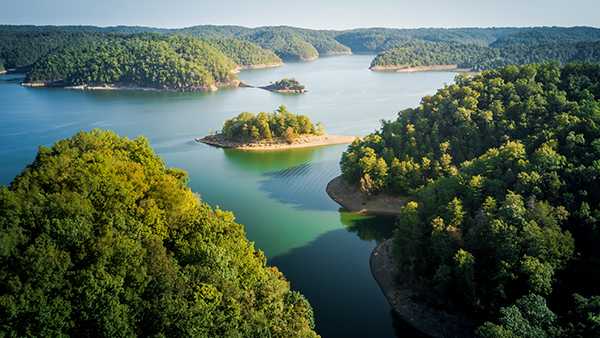
Lake Cumberland in Kentucky: Your Complete Guide to the State’s Premier Outdoor Destination
With more than 1,200 miles of shoreline and crystal-clear deep water, Lake Cumberland stands as Kentucky’s most visited outdoor playground. Whether you want to cast a line for striped bass, anchor your boat in a quiet cove, or pitch a tent under the stars, this lake delivers. This guide covers everything you need to plan a successful trip, from seasonal planning to practical on-the-water tips.
What Makes Lake Cumberland Special
Lake Cumberland spans across south-central Kentucky, created in 1952 when the Army Corps of Engineers dammed the Cumberland River. The lake covers approximately 63,000 acres at its normal pool level and reaches depths exceeding 200 feet near the dam. That combination of vast shoreline and deep water creates ideal conditions for boating, fishing, and year-round outdoor recreation.
The lake sits near several small communities, with Jamestown serving as one of the main access points on the south side. Burnside, Somerset, and Albany offer additional access from the north and east. Each area provides distinct advantages depending on what you want to do on the water.
Boating on Lake Cumberland
Lake Cumberland ranks among Kentucky’s top boating destinations. The massive shoreline means countless coves, inlets, and sheltered areas where you can anchor away from crowds. The deep water also allows boats to travel safely even when lake levels fluctuate.
When Boating Season Peaks
Most boaters visit between late April and early October. Summer weekends bring the heaviest traffic, particularly near popular ramps and sandbars. If you prefer fewer boats on the water, aim for weekday mornings or consider early spring or fall trips when conditions remain favorable but crowds thin considerably.
Boating Tips for Lake Cumberland
- Launch early on summer weekends to secure a parking spot at popular ramps
- Keep an eye on lake level forecasts, especially in spring when the Corps sometimes raises water levels for flood control
- Bring more fuel than you think you need—marinas exist but间距 can be significant
- Download offline maps before your trip since cell service varies across the lake
- Watch for submerged objects in shallow areas, particularly after water level changes
Alcohol and Boating Regulations
Kentucky law prohibits operating a boat while under the influence of alcohol. This applies to all vessels, including kayaks and pontoons. BUI convictions carry serious penalties including fines, license suspension, and possible jail time. Keep alcohol stored safely while underway and save celebrations for when you’re moored or back on land.
Fishing at Lake Cumberland
Anglers prize Lake Cumberland for its strong populations of striped bass, largemouth and smallmouth bass, crappie, and catfish. The lake’s deep, cool water provides excellent habitat for striped bass year-round, making it one of the region’s top destinations for this species.
Key Fish Species
Striped bass thrive in the lake’s deep channels and primary creek arms. These fish often relate to水温 layers in summer, moving deeper during hot weather. Trophy-sized stripers exceeding 30 pounds have come from these waters.
Largemouth bass favor shallow cover near docks, fallen trees, and weed lines in backs of coves. Smallmouth bass prefer rockier areas and clearer water in the upper lake reaches.
Crappie concentrate around submerged structure and brush piles, particularly in tributary creeks. Spring provides excellent bank-fishing opportunities as crappie move shallow to spawn.
Fishing Practical Tips
- Striped bass respond well to live bait and certain artificial lures trolled over deep water
- Crappie jigs pitched under bobbers work well for shore anglers targeting dock areas
- Early morning and late evening generally produce better bite activity during summer months
- Check current fishing regulations before your trip—creel and size limits apply to all species
- Local bait shops can provide current information on what is working in specific areas
Swimming in Lake Cumberland
Yes, you can swim in Lake Cumberland. The lake offers numerous swimming areas, both designated swim beaches and informal coves where boaters anchor to swim. Water quality is generally good, though swimmers should be aware of a few realities.
Where to Swim Safely
Several state parks and recreation areas maintain designated swimming areas with gradual slopes and marked boundaries. These provide the safest options, particularly for families with children. Conley Bottom Beach at Lake Cumberland State Resort Park offers a maintained swimming area with amenities nearby.
Many boaters anchor in protected coves for swimming. Choose areas with gradual underwater slopes away from boat traffic. Avoid swimming near boat ramps or main channel areas where boat traffic creates hazards.
Water Safety Reminders
- Always wear a US Coast Guard-approved personal flotation device when swimming off boats or in remote areas
- Lake bottom conditions vary—rocky areas, sudden drop-offs, and submerged hazards exist throughout
- Jumping from docks or trees can be dangerous due to unknown water depth and underwater obstructions
- Watch for boats and personal watercraft even in seemingly calm coves
- Swim with a buddy rather than alone in remote areas
Camping Around Lake Cumberland
Lake Cumberland camping options range from developed campgrounds with full hookups to remote backcountry sites accessible only by boat. This variety means you can match your camping style to your preferences, whether you want convenience or wilderness immersion.
Campground Options
Lake Cumberland State Resort Park offers over 200 campsites with water and electric hookups. This park provides the most developed camping experience with bathhouses, laundry facilities, and proximity to hiking trails and the swim beach.
Army Corps of Engineers recreation areas around the lake offer additional camping at places like General Burnside Island State Park, which features a golf course and camping facilities. These sites typically require reservations during peak summer months.
Dispersed camping along the lake’s shoreline is possible in some areas with landowner permission. Several creek arms and remote coves offer solitude for those willing to boat in their camping gear.
Camping Practical Tips
- Reserve campsites well ahead for summer weekend stays—popular campgrounds fill quickly
- Bring extra water and supplies when camping at remote sites; services may be miles away
- Check weather forecasts before your trip—lake weather can change rapidly, especially in spring and fall
- Secure food properly to avoid attracting raccoons and other wildlife
- Bring garbage bags and pack out all waste to keep these areas clean for future visitors
Vacation Rentals and Accommodations
Private Lake Cumberland rental homes range widely in price and amenities. Options include cozy cabins sleeping four to luxurious lakefront estates with private docks and boat slips. Prices typically range from around $85 per night for basic cabins to $400 or more for premium lakefront properties during peak season.
Several resort communities around the lake offer vacation rentals with direct water access. Burnside Island, the Wolf Creek Dam area, and various points along the main lake feature rental properties ranging from modest to upscale. Lakefront homes with private docks command premium rates, particularly during summer months and holiday weekends.
Traditional lodging including hotels and motels exists in Somerset and surrounding communities. These provide more budget-friendly options but require driving to the lake for daily activities.
Best Times to Visit Lake Cumberland
Each season offers distinct advantages depending on your priorities and tolerance for crowds.
Summer (June through August)
Peak season brings the warmest water temperatures for swimming and the busiest boat traffic. All amenities operate fully, and marina services are readily available. However, expect crowds at popular areas and make reservations far in advance for lodging and campsites.
Spring (April through May)
Spring brings excellent fishing as water temperatures warm and fish become more active. Crowds remain moderate, and natural scenery is lush. Water levels may be higher due to spring rains. This represents an excellent balance of good conditions and manageable crowds.
Fall (September through October)
Fall offers some of the year’s best conditions. Summer crowds subside, temperatures remain pleasant for outdoor activities, and fall foliage adds beauty to the lake experience. Boating and fishing remain excellent. This shoulder season often provides the best overall experience for those who can adjust their schedule.
Winter (November through March)
Winter dramatically reduces visitor numbers but also limits services. Some marina facilities close or reduce hours. However, lake views remain beautiful, and the solitude appeals to some visitors. Fishing continues year-round, and property rental rates drop significantly for those seeking a quiet getaway.
Planning Your Lake Cumberland Trip
Essential Gear and Supplies
- US Coast Guard-required safety equipment for your vessel
- Plenty of sunscreen—1,200 miles of shoreline means extensive sun exposure
- Water and snacks, especially for full days on the water
- Proper footwear with grip for wet boat decks and rocky shorelines
- Dry bags or waterproof phone cases
- Basic tools and spare parts for your boat or watercraft
Common Mistakes to Avoid
Many first-time visitors underestimate travel time within the lake area. What appears close on a map may require significant driving due to hilly terrain and limited direct routes. Build extra time into your plans for getting from place to place.
Failing to check lake conditions before departure causes problems. Water levels fluctuate, and hazards can appear with little notice. Check Army Corps of Engineers resources and local information before heading out.
Running low on fuel catches many boaters off guard. Marinas exist but distances between them can exceed 20 miles. Conservative fuel planning prevents being stranded far from services.
Safety Considerations
Water safety deserves serious attention regardless of your experience level. Lake Cumberland’s size means weather conditions can change rapidly, particularly in afternoon hours during summer. Check forecasts and monitor sky conditions while on the water.
Life jackets save lives. The majority of drowning victims in recreational boating accidents were not wearing flotation devices when the incident occurred. Make sure everyone aboard has access to a properly fitted personal flotation device.
Sun exposure presents real risks during extended lake visits. The combination of water reflection and high elevation increases UV intensity. Apply sunscreen repeatedly, seek shade during peak afternoon hours, and wear hats and protective clothing.
Alcohol and water activities create dangerous combinations. Save drinking for evenings on shore, and never operate any vessel while impaired.
Practical Insights
Here are specific actionable takeaways for your Lake Cumberland visit:
- Download offline maps through Lake Cumberland on Google Maps or dedicated apps before losing cell signal
- Call ahead to confirm marina hours and fuel availability if your trip depends on resupplying
- Join local Facebook groups for Lake Cumberland for real-time condition updates from residents and frequent visitors
- Consider purchasing a Kentucky fishing license if you plan to fish, even if just from shore
- Book marina slips well in advance for overnight boat stays during peak season
Frequently Asked Questions
What towns are closest to Lake Cumberland?
Somerset serves as the largest community near the lake. Jamestown sits on the south side and provides easy access to the main body of water. Burnside offers a central location with bridge access to the south side. Smaller communities like Albany and Monticello provide access to different sections of the lake.
Is Lake Cumberland a nice lake?
Lake Cumberland ranks among the nicest lakes in the eastern United States for outdoor recreation. The combination of vast size, excellent fishing, scenic beauty, and abundant access points makes it popular with Kentucky residents and visitors from across the region. Water clarity is generally good, and the surrounding terrain offers attractive forested hillsides.
Can you drink alcohol on Lake Cumberland?
You can possess alcohol on boats in Kentucky, but operating a vessel while impaired is illegal. Alcohol must be transported and consumed responsibly. Most boat ramps and designated swimming areas prohibit glass containers. When enjoying alcohol at your campsite or rental property, local open container laws may apply depending on location.
What should I bring for a day on Lake Cumberland?
Pack sunscreen, water, snacks, proper footwear, and safety equipment including life jackets for everyone aboard. Bring a cooler for fish and catches, towels for swimming, and waterproof bags for electronics. If fishing, include appropriate licenses, bait, and tackle for your target species.
Are there swimming beaches at Lake Cumberland?
Yes, several designated swimming areas exist. Lake Cumberland State Resort Park maintains the most developed beach with Conley Bottom. General Burnside Island State Park offers another popular swimming option. These areas provide safe, monitored swimming with nearby facilities.
Final Thoughts
Lake Cumberland rewards visitors who come prepared. The massive size means endless opportunities for boating, fishing, swimming, and camping, but it also means planning matters. Check conditions before you go, bring appropriate safety equipment, and build flexibility into your schedule for changing weather or unexpected discoveries.
Whether you spend a day anchored in a quiet cove or a week exploring from campground to campground, Lake Cumberland delivers the kind of outdoor experience that brings people back year after year. Start with a clear plan for your priorities, then leave room for the spontaneous moments that make lake trips memorable.