
Washington’s Park Lake: Best Seasons & Spots for Anglers
If you’re planning a fishing trip to Washington’s Park Lake and want to know when the fish are most active and where to cast your line for the best results, this guide breaks down the seasonal patterns, prime locations, and practical tips you need. Understanding the lake’s rhythms helps you make the most of your time on the water, whether you’re after trout, bass, or panfish.
What Makes Park Lake a Distinct Fishery
Park Lake, located in King County, is a relatively small, shallow reservoir known for its stocked rainbow trout and warm‑water species such as largemouth bass and bluegill. The Washington Department of Fish and Wildlife (WDFW) manages regular trout plants, which create predictable peaks in catch rates. Because the lake’s depth rarely exceeds 20 feet, temperature changes influence fish behavior quickly, making seasonal timing especially important.
Best Seasons for Fishing at Washington’s Park Lake
Spring (March – May)
As water temperatures rise from the 40s to the low 60s °F, trout become more active after winter dormancy. Stocking typically occurs in early spring, so anglers often see increased catch rates within a week of each plant. Near‑shore areas with emerging vegetation and inlet streams hold feeding trout. Bass begin moving to shallow spawning beds in late April, making the south‑west cove productive for early‑season largemouth.
Summer (June – August)
Surface temperatures can reach the mid‑70s °F, pushing trout to deeper, cooler zones near the dam and the north‑west basin. Early morning and late evening remain the most productive times, as fish move up to feed on insects. Bass and panfish stay in the shallower, weed‑lined edges; targeting them with soft plastics or small jigs works well. Midday heat often reduces bite activity, so plan shorter trips or focus on shaded shorelines.
Fall (September – November)
Cooling water triggers a second trout surge as WDFW conducts fall stockings. Fish disperse throughout the lake, making both shore and boat anglers successful. Bass feed aggressively before winter, often striking topwater lures near submerged logs. Panfish school in the deeper flats, responding well to small spoons or live bait under a bobber.
Winter (December – February)
When ice forms (typically thin and unsafe for walking), anglers shift to ice fishing for trout and perch. Safety is paramount: check ice thickness (minimum 4 inches of clear ice) and never fish alone. Open‑water fishing is still possible in the deeper, spring‑fed holes where temperatures stay just above freezing; slow‑presented baits such as wax worms or small jigs produce the best results.
Prime Fishing Spots Around Park Lake
North Shore – Trout Haven
The north‑west basin receives inflow from a small creek, keeping water cooler and oxygenated. This area holds stocked trout year‑round, especially near the submerged roadbed and the old dock pilings. Cast a small spinner or a trout‑sized worm along the drop‑off for consistent action.
South Cove – Bass & Panfish Hub
Shallow, weed‑rich flats dominate the south cove, creating ideal spawning and feeding habitat for largemouth bass and bluegill. Early morning topwater plugs or weed‑less soft plastics work well here. The cove’s gentle slope also makes it a favorite for bank anglers using a simple bobber‑and‑worm setup.
East Shore – Structure & Shade
Fallen trees and rock piles along the east shoreline provide ambush points for bass. During summer heat, these shaded structures hold fish deeper in the water column. A weighted soft plastic dropped to the base of the structure and slowly retrieved often triggers strikes.
West Bank – Easy Access for Beginners
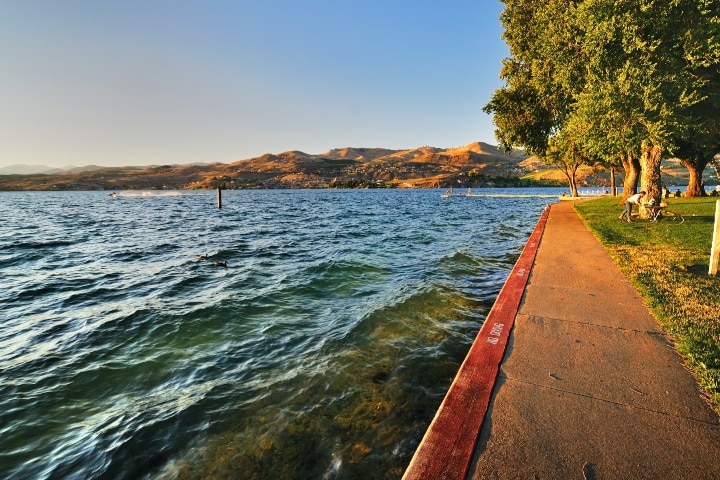
The west side features a paved trail and several designated fishing piers. These spots are ideal for families or novice anglers who prefer solid ground and easy gear storage. Standard trout baits (powerbait, salmon eggs) and small spinners produce reliable catches, especially after spring stocking.
Gear Recommendations for Park Lake Conditions
- Light spinning rod (6‑7 ft) with 4‑6 lb test line for trout and panfish.
- Medium‑action rod (7‑8 ft) with 8‑12 lb line for bass.
- Assorted lures: small spinners (Mepps Aglia), trout‑sized spoons, soft plastic worms, and topwater poppers.
- Live bait options: nightcrawlers, wax worms, and salmon eggs (check WDFW regulations for bait restrictions).
- Polarized sunglasses to spot fish and see subtle bottom changes.
- Waterproof boots or waders for shore access during high water.
Weather and Water Factors That Influence Bite
Park Lake’s small size means temperature shifts happen rapidly. A cold front can drop surface temps by 10 °F within hours, pushing trout deeper and reducing surface activity. Wind direction matters: a steady west wind piles warmer surface water along the east shore, concentrating fish there. Monitoring the local forecast and checking the WDFW lake temperature reports (when available) helps you pick the right time and location.
Safety Considerations on Park Lake
- Always wear a personal flotation device (PFD) when in a boat or float tube.
- Check ice thickness before venturing onto frozen surfaces; avoid areas with moving water or springs.
- Be aware of boat traffic; the lake permits non‑motorized craft and small electric motors only.
- Carry a basic first‑aid kit, whistle, and a fully charged cell phone in a waterproof pouch.
- Respect private property; many shoreline sections are adjacent to residential areas.
Common Mistakes to Avoid
- Fishing the same spot all day without adjusting for temperature changes.
- Using heavy gear for trout, which can spook wary fish in clear water.
- Neglecting to check the latest WDFW stocking schedule; missed plants mean lower trout density.
- Overlooking weed edges when targeting bass; fish often hold just inside the vegetation line.
- Failing to re‑tie knots after each catch; weakened knots lead to lost fish.
Maintaining Your Gear Between Trips
Rinse rods, reels, and lures with fresh water after each outing to remove algae and sediment. Lightly oil reel bearings and store rods in a vertical rack to prevent warping. Replace worn line every few months, especially if you frequently fish around abrasive structures. Inspect waders for leaks before the season begins and patch any small holes with appropriate sealant.
Frequently Asked Questions
What is the best time of day to fish Park Lake?
Early morning (sunrise to 9 am) and late evening (after 6 pm) generally yield the highest activity, particularly in summer when midday heat drives fish deeper.
Do I need a fishing license to fish Park Lake?
Yes. A valid Washington state freshwater fishing license is required for anglers aged 15 and older. Licenses can be purchased online through the WDFW website or at local retailers.
Are there any special regulations for trout at Park Lake?
Park Lake follows the statewide trout regulations: daily limit of five trout, with no more than two over 14 inches. Always verify the current WDFW rulebook before your trip, as limits can change.
Can I use a boat with a gas motor on Park Lake?
No. The lake restricts motors to electric trolling motors only, to preserve water quality and reduce disturbance to wildlife.
What should I do if I catch a fish that looks unhealthy?
Handle the fish gently, release it quickly, and report any signs of disease or parasites to the WDFW regional office. Providing photos and location details helps biologists monitor lake health.
Final Thoughts
Matching your timing to the lake’s seasonal cycles and focusing on the proven hotspots outlined above will greatly improve your chances of a rewarding day at Washington’s Park Lake. Keep safety front and center, stay informed about stocking events, and adjust your tactics as conditions shift. With a bit of preparation, anglers of all skill levels can enjoy consistent action on this accessible King County fishery.