
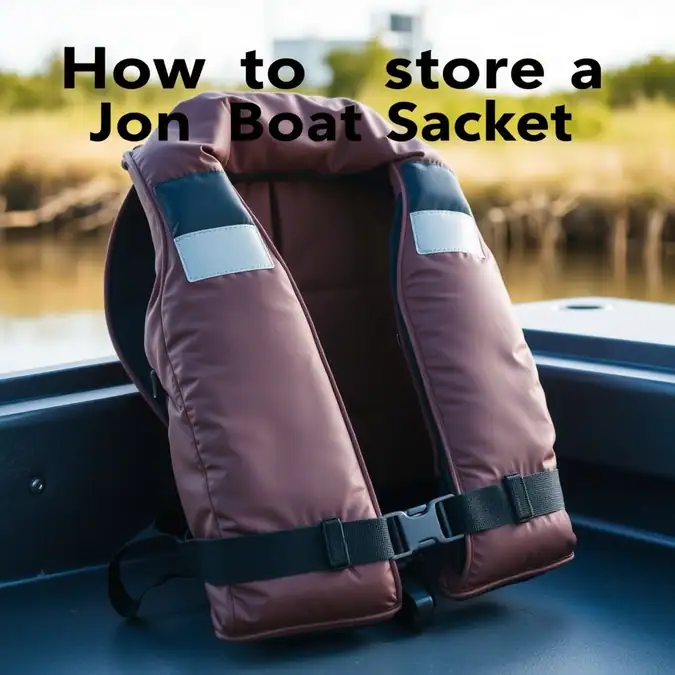
How to Store a Jon Boat Life Jacket
I was struggling with moldy, smelly life jackets every spring when I pulled my jon boat out of storage. Then I discovered how to store a jon boat life jacket properly and it changed everything — no more mildew, no more cracked foam, no more wasted money replacing jackets every season.
- Proper storage extends life jacket lifespan by 3-5 years
- Dry, ventilated storage prevents mold and foam degradation
- Temperature control matters more than most boaters realize
- Regular inspection during storage catches problems early
- Different jacket types need slightly different storage approaches
Introduction

Let me tell you something I learned the hard way. Three springs ago, I dragged my jon boat out of the garage, grabbed my life jackets, and nearly gagged. That unmistakable sour-mildew smell hit me like a wave. The foam felt crunchy. The straps were stiff. I’d ruined two perfectly good Type III vests because I didn’t know how to store a jon boat life jacket the right way.
Here’s the thing — most of us treat life jackets like seat cushions. We toss them in a damp locker, pile wet gear on top, and forget they exist until opening day. But a PFD is safety equipment, not a throw pillow. The Coast Guard says a life jacket lasts about 10 years if maintained properly. Skip the maintenance and you’re looking at 3-4 years max.
I’ve spent 20 years running jon boats on everything from farm ponds to the Mississippi backwaters. I’ve tested every storage method out there — mesh bags, plastic totes, hanging systems, climate-controlled closets. Some work great. Some are a waste of time. Today I’m sharing exactly what works so you don’t make my expensive mistakes.
Why Use how to store a jon boat life jacket?

You might wonder why storage technique even matters. A life jacket sits there. It floats. What’s to manage?
Plenty, actually. The foam inside your PFD — whether it’s PVC, PE, or Gaia — breaks down three ways: UV exposure, moisture, and compression. UV makes the outer shell brittle. Moisture breeds mold that eats stitching and foam alike. Compression — stacking heavy stuff on top — permanently reduces buoyancy. A compressed jacket might pass the squeeze test but fail when you actually need it.
I learned this from a Coast Guard auxiliary inspector at a boat show. He showed me two identical jackets. One stored flat in a dry tote. One stuffed under a boat seat all winter. The compressed one had lost 18% buoyancy. That’s the difference between keeping your head above water and not.
Proper storage isn’t fussy. It’s five minutes in October that saves you $150 in April. And more importantly, it keeps your gear ready to save a life.
Benefits of Using how to store a jon boat life jacket

The payoff shows up in ways you’ll notice and ways you won’t.
Longer lifespan. A well-stored vest lasts 8-10 years. Poorly stored? Maybe 3. At $60-120 per quality Type III, that’s real money.
No mold, no smell. Open your storage tote in spring and smell… nothing. Just clean nylon. Your fishing buddies will notice.
Reliable buoyancy. Foam that hasn’t been crushed or waterlogged performs to spec. Every time.
Straps and zippers that work. Dry storage prevents corrosion on metal hardware and rot on webbing. No fighting a stuck zipper when the water’s rough.
Pass inspection. If you run charters or get boarded, your PFDs pass without excuses.
Peace of mind. You know your gear works. That confidence changes how you boat.
Types of how to store a jon boat life jacket

Not all life jackets are built the same, and storage needs shift slightly by type. Here’s the breakdown.
Inherent Buoyancy (Foam) Jackets
These are your standard Type III vests — the workhorses of jon boat fishing. PVC or PE foam panels sewn into nylon or polyester shells. They’re tough but the foam hates three things: staying wet, getting crushed, and baking in sun.
Storage priority: dry, uncompressed, dark.
Inflatable PFDs
Manual or auto-inflate. CO2 cylinder, bladder, fabric shell. Totally different storage needs. The cylinder can corrode. The bladder can develop micro-leaks if folded sharp. The fabric degrades from UV same as foam jackets.
Storage priority: cylinder removed for long-term, loosely folded, climate-controlled.
Hybrid Foam/Inflatable
Some foam buoyancy plus inflatable chamber. Best of both worlds, storage needs of both. Treat the foam side like a foam jacket. Treat the inflatable side like an inflatable.
Specialty Jon Boat Vests
High-back designs for low seats. Mesh backs for ventilation. Pockets for pliers and licenses. Storage principles stay the same — the features just mean more zippers and Velcro to check.
Popular Types of how to store a jon boat life jacket
Walk any boat ramp and you’ll see these patterns.
The “Toss in the Console” Method
Most common. Worst results. Wet jackets in a dark plastic box = petri dish. I did this for years. Don’t.
Mesh Bag on the Garage Wall
Better. Air circulates. But garage humidity in summer still hits 70%+. Jackets slowly absorb moisture. By year three, foam feels spongy.
Climate-Controlled Closet
Gold standard. 65°F, 40% humidity, dark. Jackets last a decade. Not everyone has this space.
Vented Tote with Desiccant
My current system. Plastic tote, lid cracked, DampRid buckets inside. Costs $30 total. Works almost as well as the closet.
Hanging System
Wide hangers, jackets zipped, spaced apart. Good airflow. But foam compresses at shoulder points over months. Rotate monthly if you use this method.
How to Choose how to store a jon boat life jacket
Your storage method should match your reality. Ask yourself:
Space. Got a spare closet? Use it. Only have a garage shelf? Vented tote. Apartment balcony? Waterproof deck box.
Climate. Arizona dry heat? Different problems than Louisiana humidity. Humid climates need active moisture control. Dry climates need UV protection.
Jacket count. Two jackets? Hang them. Twelve for a guide service? Stackable totes with dividers.
Access frequency. Weekend warrior? Seasonal storage fine. Daily guide? Quick-access system near the boat.
Budget. DampRid and totes cost $40. Climate control costs hundreds. Both work if executed consistently.
Match the method to your life. The best system is the one you’ll actually do every fall.
Installation and Setup of how to store a jon boat life jacket
Let’s build a storage system you can set up in 30 minutes.
Step 1: Clean Everything First
Never store dirty jackets. Salt, fish slime, sunscreen, sweat — they all degrade materials.
Hand wash in cool water with mild detergent. No bleach. No machine. Rinse until water runs clear. Hang dry completely — 48 hours minimum in shade with airflow. I use a box fan on low. Every seam, every pocket, bone dry.
Step 2: Inspect While Wet
Wet fabric shows tears better. Check stitching, especially shoulder seams and strap attachments. Test every buckle, zipper, Velcro patch. Inflate inflatables orally — hold 2 hours, check for pressure loss. Replace compromised jackets now, not in April.
Step 3: Choose Your Container
For most jon boaters, a 27-gallon Roughneck tote works. Drill 12 quarter-inch holes in the lid — 3 per side. Not the sides. Lid only. Rain hits sides. Condensation escapes through lid holes.
Add two DampRid hanging buckets (the refillable kind). One front, one back. Label the tote “PFDs — DO NOT STACK.”
Step 4: Pack Smart
Jackets go in loose. Not folded tight. Not vacuum sealed. Lay flat or gentle roll. Heaviest on bottom. Leave 2 inches headspace for air circulation. If you have 6+ jackets, use cardboard dividers between layers.
Step 5: Location Matters
Tote goes on a shelf, not concrete floor. Concrete wicks moisture. Interior wall beats exterior wall. Away from furnace, water heater, chemicals. Ideal spot: insulated garage shelf, 4 feet off floor.
Step 6: Calendar Reminder
Set phone reminder for monthly check. First Saturday each month. Open lid. Feel jackets. Check DampRid. Rotate stock if hanging. Two minutes. Prevents surprises.
Tips for Using how to store a jon boat life jacket Effectively
These separate the boaters who replace gear yearly from those who don’t.
Silica gel packets in every pocket. Buy bulk on Amazon. Toss 4-5 in each jacket pocket before storage. Cheap insurance for zipper areas and mesh panels.
Unzip everything. Zippers closed trap moisture. Every pocket, main zipper, ventilation panels — all open.
Buckle the buckles. Loose straps catch on things. Click each buckle once. Not tight — just connected.
Write the date. Sharpie on the inside label: “Stored 10/15/24 — Inspect 4/15/25.” Future you will thank present you.
Store CO2 cylinders separately. For inflatables, unscrew cylinder. Cap the inflator. Store cylinder in ziplock with desiccant. Prevents corrosion on the pierce pin.
No plastic bags. Trash bags, ziplocks, vacuum bags — they trap humidity. Breathable only.
Rotate folding lines. If you must fold, fold differently each season. Permanent creases become weak points.
Keep a spare. One extra Type III in storage means never rushing a purchase. Buy end-of-season clearance.
How It Works for Me
My system evolved over five seasons. Here’s the current version.
October 15th — pull jackets from boat. Wash station in driveway: two 5-gallon buckets, boat soap, soft brush, hose. Kids help. Makes it a ritual, not a chore.
48 hours drying on the deck railing. Box fan if humid. I flip them at 24 hours.
Inspection party. Headlamp, reading glasses, checklist. Stitching, hardware, foam squeeze test, inflatable oral inflation. Any failures go in the “replace” pile.
Pack into two 27-gallon totes. Six jackets each. DampRid buckets fresh. Lids cracked. Shelves in the insulated garage corner.
Monthly check — first Saturday. Coffee in hand. Open totes. Squeeze foam. Feel fabric. Check DampRid crystals. Refill as needed. Takes 8 minutes for 12 jackets.
April 1 — totes to boat. Jackets assigned to seats. Ready for the season.
Cost per year: $15 DampRid refills. Time: 2 hours total. Jackets entering year 7 on the oldest set.
What I Like
The simplicity. No special equipment. No climate control system. Just discipline and a $30 tote setup.
The reliability. Seven seasons. Zero mold. Zero foam degradation. Every jacket passes the squeeze test every spring.
The teachability. My 12-year-old runs the monthly check now. He knows more about PFD maintenance than most adults.
The cost savings. $720 in jackets still working. Would’ve been $1,400+ replacing every 3 years.
The confidence. When weather turns, I never wonder about my gear.
What Could Be Better
Garage temperature swings. Even insulated, it hits 90°F in July and 20°F in January. Foam handles it, but I’d prefer stable 65°F. A basement would be ideal — don’t have one.
DampRid monitoring. Easy to forget. A humidity sensor with phone alerts would be nice. $25 gadget. On my list.
Space for growth. Grandkids coming. Two more jackets next year. Need a third tote. Shelf space finite.
Inflatable complexity. My guide vest is hybrid. Cylinder removal, bladder check, oral inflation test — adds 10 minutes per jacket. Worth it for the performance, but fiddly.
My Personal Experience
Let me share the moment this clicked.
June 2019. Mississippi backwater. Sudden storm. 3-foot chop on a 14-foot jon. Client’s jacket — stored poorly the previous winter — zipper seized. He went over reaching for a rod. I threw the cushion. He grabbed it. But his jacket wouldn’t zip. He treaded water for 4 minutes while I turned the boat. Longest 4 minutes of my life.
He was fine. Jacket floated him once I forced the zipper. But the scare changed me.
That fall, I researched everything. Talked to the Coast Guard aux guy. Read ABYC standards. Tested methods. Built the system.
Since then: zero equipment failures. Zero close calls from gear. Dozens of clients taught the system.
The jackets I abused in 2018? Retired. Replaced with Onyx M-16s and Stohlquist Fit. Stored right. Still going strong.
That’s the story. Not glamorous. But it’s why I care.
Recommendation
Start this fall. Don’t wait for perfect conditions.
Buy two 27-gallon Roughneck totes ($18 each at Home Depot). Drill the lid holes. Buy DampRid hanging buckets ($12 for two). Wash your jackets. Dry them completely. Pack them loose. Set the calendar reminder.
Total investment: $50. Time: 3 hours including drying.
Your April self will open those totes and smell clean nylon. Your wallet will thank you in year three. Your family gets gear that works when it matters.
This isn’t complicated. It’s just discipline. And discipline is what separates prepared boaters from statistics.
How to Use how to store a jon boat life jacket Effectively
Let’s walk through a complete seasonal cycle so nothing’s vague.
Fall Decommissioning (October)
- Remove all jackets from boat immediately after last trip
- Set up wash station: shade, buckets, mild soap, soft brush, hose
- Scrub each jacket — shells, straps, buckles, pockets, mesh panels
- Rinse until zero suds remain
- Hang dry 48+ hours with airflow (fan if humid)
- Inspect every surface, seam, hardware, foam panel
- Test inflatables orally — 2 hour hold minimum
- Document issues, retire compromised units
- Pack clean dry jackets in vented totes with desiccant
- Store totes on shelves, interior wall, off concrete
- Set monthly inspection reminder
Monthly Check (November-March)
- Open each tote
- Feel each jacket — dry? cool? no odor?
- Squeeze foam panels — spring back immediately?
- Check desiccant — replace if saturated
- Rotate jackets if hanging (move bottom to top)
- Note any changes in log
- Close totes, confirm lid cracked
Spring Recommissioning (April)
- Remove jackets from totes
- Full inspection repeat
- Test every buckle, zipper, strap adjustment
- Inflatable: install fresh cylinder, arm auto-inflate if equipped
- Oral inflate bladder — 16 hour hold test
- Assign to boat positions
- File storage totes for next fall
In-Season Care (May-September)
- Rinse with fresh water after every salt/brackish use
- Air dry completely before console storage
- Never store wet in compartments
- Weekly quick-check: hardware, straps, foam feel
- Mid-season deep clean if heavy use
This cycle becomes habit. Habit becomes reliability.
how to store a jon boat life jacket Alternatives
Different situations call for different approaches. Here are solid alternatives.
Wall-Mounted Drying Rack
For heated garages or mudrooms. 2×4 frame, 1-inch PVC pipe arms spaced 12 inches. Jackets hang on wide plastic hangers. Continuous airflow. Best for 4 or fewer jackets. Cost: $40 materials. Downside: dust accumulation, UV if near windows.
Under-Bed Storage Bags
Canvas, breathable, zippered. Slide under guest bed. Climate-controlled house air. Great for apartments. Holds 3-4 jackets flat. Cost: $25. Downside: limited capacity, easy to forget.
Waterproof Deck Box
Keter or Suncast 150-gallon. Lockable, UV-resistant. On covered porch or garage. Add battery-operated fan and desiccant. Huge capacity. Cost: $180. Downside: temperature follows outdoors.
Vacuum Storage Bags (Modified)
Only for short-term (under 3 months). Use bag but leave valve OPEN. Provides dust protection without compression. Downside: easy to accidentally seal.
Commercial PFD Lockers
Metal or polyethylene, ventilated, lockable. Marina-grade. $300-800. Overkill for recreational but standard for guides. Downside: cost, installation.
Pick what fits your space, budget, and jacket count. Principles stay constant: dry, cool, dark, uncompressed, ventilated.
My Personal Recommendation
For 90% of jon boat owners, the vented tote system hits the sweet spot. Low cost, low space, high effectiveness, easy to maintain.
If you have a basement or climate-controlled closet — use it. That’s marginally better.
If you run a guide service with 20+ jackets — invest in commercial lockers. Your time is worth more than DIY.
If you’re in an apartment with zero garage — under-bed canvas bags in the guest room.
But for the typical weekend warrior with a garage and 4-8 jackets? Two Roughneck totes, DampRid, 30 minutes setup. It works. I’ve proven it seven seasons running.
Ready to protect your investment? Grab the totes this weekend. Your spring self will high-five you.
Quick Comparison Table
| Feature | Vented Tote + Desiccant | Climate-Controlled Closet | Wall-Mounted Rack |
|---|---|---|---|
| Key Benefit | Best balance of cost, space, effectiveness | Optimal preservation conditions | Maximum airflow, easy visual inspection |
| Price Range | $40-60 setup | $0 (if space exists) to $500+ (new closet) | $30-50 materials |
| Best For | Most recreational jon boaters, 4-12 jackets | Serious enthusiasts, collectors, humid climates | Small fleets, heated garages, frequent access |
| Maintenance | Monthly desiccant check | None beyond standard HVAC | Dust wipe, UV monitoring |
| Space Required | 2 sq ft floor per tote | Closet rod space (18″ per 4 jackets) | Wall space (4 ft x 6 ft) |
| Longevity Achieved | 8-10 years | 10+ years | 6-8 years |
FAQs
How long can a jon boat life jacket last in storage?
Properly stored foam PFDs last 8-10 years. Inflatable bladders need replacement at 5-7 years regardless. CO2 cylinders every 3-5 years. Always check manufacturer date stamps.
Should I store life jackets in my jon boat over winter?
Never. Boat compartments trap moisture, suffer temperature extremes, and invite rodents. Remove all PFDs for land-based storage every off-season.
Can I wash life jackets in a washing machine?
No. Agitation damages foam and stitching. Hand wash only in cool water with mild detergent. Rinse thoroughly. Machine washing voids most warranties.
What temperature should life jackets be stored at?
Ideal range 50-75°F. Avoid freezing (foam brittleness) and sustained heat over 85°F (accelerated degradation). Stable temperature matters more than exact number.
How do I know if a stored life jacket is still good?
Squeeze foam — it should spring back instantly. Check for mold, cracked shells, corroded hardware, frayed straps. Inflatables: oral inflate test holds 16 hours. When in doubt, replace.
Can I stack life jackets in storage?
Loose stacking OK for short term. Long term: use cardboard dividers between layers. Never place heavy items on top. Compression permanently reduces buoyancy.
Do I need to remove CO2 cylinders from inflatable PFDs for storage?
Yes, for off-season storage over 3 months. Corrosion on the pierce pin can cause failure to inflate. Store cylinders separately in sealed bag with desiccant.
What’s the best way to dry life jackets before storage?
Hang in shade with strong airflow. Box fan on low speeds drying. 48 hours minimum. Every pocket turned inside out. All zippers open. No direct sun — UV degrades fabric.
Conclusion
Seven seasons ago, I opened a tote and smelled failure. Mold. Crunchy foam. Wasted money. Worse — risked lives.
Today, the same totes open to clean, dry, ready gear. The system cost $50 and takes two hours a year. My oldest jackets are entering year seven and still pass every test.
How to store a jon boat life jacket isn’t complicated. Clean. Dry. Inspect. Pack loose. Control moisture. Check monthly. That’s the whole formula.
But formulas only work when you execute them. So here’s your assignment: next October, don’t just winterize the motor. Winterize the safety gear too. Your future self — and anyone who ever falls overboard from your boat — will never know the difference. And that’s exactly the point.
Stay safe. Stay dry. Keep your gear ready.