
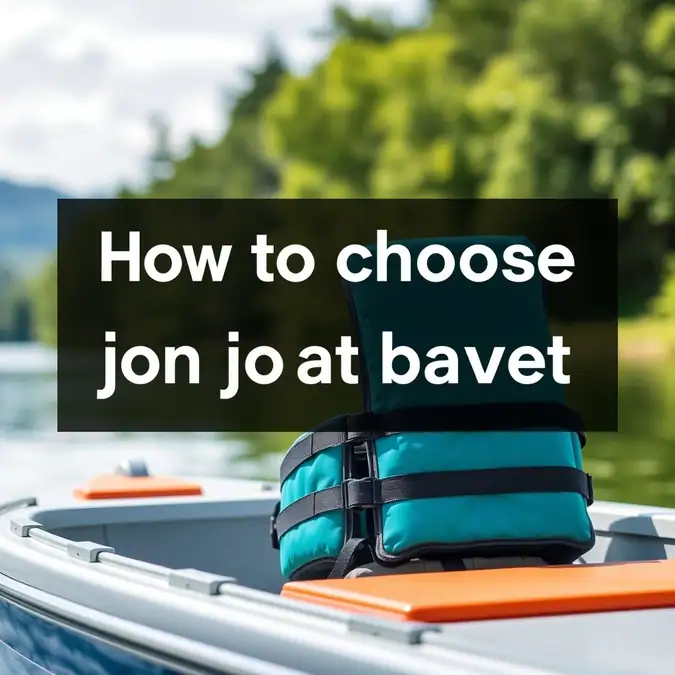
How to Choose a Jon Boat Life Jacket: A Complete Guide for Safe Days on the Water
I spent years wrestling with life jackets that rode up when I cast, soaked through from spray, or felt like wearing a cardboard box in July heat. Then I learned the difference between “Coast Guard approved” and “actually wearable for fishing.” After fifteen years running shallow rivers and backwater sloughs, I’ve found that the best PFD isn’t the one with the most buckles — it’s the one you’ll actually keep on. In this guide, I’ll walk you through everything that matters: fit, flotation type, mobility, and the features that separate a dust-collector from a daily driver.
- Fit matters more than features — a loose vest rides up; a tight one restricts breathing and casting.
- Type III PFDs hit the sweet spot for jon boat anglers: 15.5+ lbs buoyancy, good arm mobility, and USCG approval.
- Mesh backs and large armholes keep you cool and let you cast sidearm without fighting the vest.
- Test in shallow water first — lean back, float, and simulate a fall before you trust it in current.
- Replace every 3–5 years or sooner if foam feels crumbly, straps fray, or buckles crack.
Why Use a Jon Boat Life Jacket?

A jon boat sits low in the water. Freeboard is minimal. One wake, one sudden lean, one tangled anchor line — and you’re overboard before you can react. I’ve seen it happen on the White River, on Lake Guntersville, on little creeks nobody’s heard of. A dedicated jon boat life jacket isn’t regulatory theater. It’s the difference between swimming back to the transom and not coming up at all. The Coast Guard requires wearable PFDs for every person aboard. But the regulation is the floor, not the ceiling. You want a vest designed for the way jon boats actually move: flat-bottomed, twitchy in chop, wide open for casting.
Benefits of Using a Jon Boat Life Jacket

The right vest changes how you fish. You stop thinking about it. You reach for the trolling motor pedal, flip a jig into a laydown, lean over the gunwale to unhook a catfish — and the jacket moves with you. No chafing at the neck. No ride-up when you sit on a cooler. No sweat pooling under foam panels. Modern fishing PFDs add tool loops for pliers, D-rings for kill switches, and pockets sized for tackle trays. Some even have hydration bladder sleeves. The buoyancy keeps your head high if you go overboard unconscious. The bright colors and reflective tape help a partner spot you in low light. And the peace of mind? That’s the benefit you feel every trip, even when nothing goes wrong.
Types of Jon Boat Life Jackets

Not all PFDs are created equal. The Coast Guard classifies them by type, and the type determines whether it’ll work for your style of boating.
Type I — Offshore Life Jackets
Maximum buoyancy (22+ lbs). Turns most unconscious wearers face-up. Bulky, hot, restrictive. Overkill for inland jon boat work. I keep one on the big boat for Gulf trips. It stays in the bag on the jon.
Type II — Near-Shore Buoyant Vests
15.5 lbs buoyancy. Turns some unconscious wearers face-up. Less bulky than Type I but still boxy. The classic orange “horse collar” you see on rental fleets. Cheap, legal, miserable to wear all day. Fine as a backup for guests. Not for you.
Type III — Flotation Aids
15.5 lbs buoyancy. Designed for conscious wearers in calm water. Won’t reliably turn you face-up. But the cut is athletic — large armholes, short waist, contoured foam. This is the jon boat standard. Bass tournament anglers, duck hunters, river runners — almost all of us wear Type III. You can cast, paddle, climb over logs, and sit for hours.
Type V — Special-Use Devices
Includes inflatable belt packs, hybrid foam/inflatable vests, and work vests. Some are Coast Guard approved only when worn. Inflatables are cool and comfortable but require maintenance: CO₂ cylinder checks, repacking, oral inflation tube inspection. If you’re diligent, a Type V inflatable is the most comfortable option. If you’re not, stick with foam.
Popular Types of Jon Boat Life Jackets

Within the Type III category, you’ll see three main styles on the water.
Fishing-Specific Vests
Built by brands like Onyx, NRS, Stohlquist, and Mustang Survival. Mesh lower backs for airflow. Multiple pockets with drain holes. Tool tether points. Plier holsters. Rod holder loops. Some have zippered front pockets sized for a 3600-series tackle tray. The foam is segmented so it flexes at your torso. These cost $80–$180 and last years if cared for.
Paddling Vests
Designed for kayakers and canoeists but great for jon boats. High-cut waist clears a seat. Huge armholes. Minimal front bulk. Fewer pockets, more freedom. Brands: Astral, Kokatat, NRS. Price runs $100–$200. My buddy runs an Astral V-Eight on the Buffalo River — swears it’s the only vest he forgets he’s wearing.
General Recreation Vests
Big-box store specials. Four buckles, generic foam, one-size-fits-most. $30–$60. They meet the letter of the law. But the fit is sloppy, the foam absorbs water, and the buckles corrode in one season. I buy these for kids’ guests. I don’t wear one myself.
How to Choose a Jon Boat Life Jacket
This is the core of the guide. Walk through these factors in order. Skip one, and you’ll likely end up with a vest that hangs in the garage.
1. Verify USCG Approval
Look for the label inside: “USCG Approved Type III” (or Type V with Type III performance). No label, no sale. Some cheap imports fake the print. Buy from reputable dealers — Bass Pro, Cabela’s, Academy, local marine shops, or direct from manufacturer websites.
2. Match Buoyancy to Your Weight
Adult Type III vests provide 15.5–17.5 lbs of flotation. That supports a 200+ lb person with head above water. If you’re over 250 lbs, look for 17+ lbs or an XL/2XL cut with extra foam. Kids need youth sizing (50–90 lbs) or child (30–50 lbs). Never put an adult vest on a child — it slips off over the head.
3. Fit the Chest, Not the Label
Measure your chest at the nipple line. Compare to the manufacturer’s size chart. Sizes run S/M, L/XL, 2XL/3XL. A medium in one brand fits like a large in another. When trying it on, loosen all straps. Put it on. Tighten bottom straps first, then sides, then shoulders. You should fit two fingers under the shoulder straps — no more. Lift your arms overhead. The vest shouldn’t touch your chin. Have a friend pull up on the shoulders. If it slides to your ears, size down or try a different cut.
4. Prioritize Arm Mobility
Sit in your jon boat seat. Mimic your cast — sidearm, overhead, roll cast. Reach for the trolling motor. Lean to net a fish. The vest must not bind at the shoulder or pinch the armpit. Large, curved armholes are non-negotiable. Mesh panels under the arms help.
5. Check the Back Design
Jon boat seats have high backs. A vest with solid foam across the upper back pushes your head forward — neck fatigue in thirty minutes. Look for a mesh cutout or thin foam channel aligned with your seat back. Some vests have a “high-back” cut specifically for this.
6. Evaluate Pocket Layout
What do you carry? Pliers, line nippers, hook file, phone, license, snacks, sunglasses. Count your must-haves. Then check pocket count, size, and closure (zipper vs. Velcro vs. magnetic). Drain holes are essential — water gets in. A pocket that holds a 3600 tackle tray is a bonus. Tool loops and D-rings keep gear from going overboard.
7. Consider Inflatable vs. Foam
Foam: always ready, zero maintenance, durable, cooler in wind, warmer in sun. Inflatable: cooler, slimmer, more mobility, but requires cylinder checks, can fail if not armed, costs more upfront and per re-arm. If you fish alone, foam is safer — no mechanism to forget. If you run a guided trip in 95° heat, an inflatable Type V might keep you wearing it all day.
8. Color and Visibility
Bright yellow, orange, or red with SOLAS-grade reflective tape. Camo looks cool in the catalog but disappears in low light. I wear high-vis yellow. My hunting buddies wear blaze orange. Pick what contrasts your water.
9. Durability Details
YKK zippers. Stainless or acetal buckles (not cheap plastic). Triple-stitched seams. 400–500 denier nylon or polyester shell. Ripstop fabric resists snags on brush and trailer bunks. Check the warranty — 3 to 5 years is standard for quality brands.
10. Price vs. Value
A $120 vest worn for five seasons costs $24/year. A $40 vest replaced annually costs more and protects less. Buy once, cry once. But don’t pay for features you’ll never use — a kayak angler doesn’t need a rod holder loop.
Installation and Setup of Your Life Jacket
“Installation” sounds formal. For a PFD, it means adjusting it once so you never have to fiddle again.
- Unpack and inspect. Check all stitching, buckles, zippers. Inflate the oral tube on inflatables to test the bladder — hold air for 16 hours.
- Loosen every strap. Put the vest on like a jacket.
- Fasten the front zipper or buckles. Start at the bottom.
- Tighten the waist strap. Snug but not crushing. This anchors the vest.
- Tighten side straps. Equal tension left and right.
- Adjust shoulders last. Two-finger gap. No slack.
- Move test. Cast, reach, twist, sit. Readjust if anything binds.
- Mark your straps. A dot of nail polish or a permanent marker dash on the webbing lets you replicate the fit instantly next trip.
- Attach your kill switch lanyard to the D-ring or a dedicated tether point — not a pocket zipper pull.
- Load pockets. Distribute weight evenly. Heavy pliers low, light license high.
Tips for Using Your Life Jacket Effectively
- Wear it. Always. Not “when running.” Not “when it’s rough.” The accident happens when you’re standing still, reaching for a lure.
- Rinse after every saltwater or muddy trip. Fresh water, mild soap, hang dry in shade. Salt and grit rot stitching and corrode zippers.
- Store dry, uncompressed. Hanging on a wide hanger. Not stuffed in a hatch. Not under a cooler. Foam remembers compression.
- Inspect monthly in season. Squeeze foam — it should spring back, not crumble. Check stitching. Work every buckle. Zip every zipper.
- Test flotation annually. Wade into chest-deep water. Relax. Head should stay well above water. If it doesn’t, replace the vest.
- Keep a spare aboard. Legal requirement for guests. Also handy if yours gets damaged or a buddy forgets theirs.
- Pair with a whistle. Clip it to the shoulder strap. Three blasts = distress. Coast Guard requires a sound-producing device.
- Add a small LED strobe for pre-dawn or night runs. Clips to the same D-ring as the kill switch.
How It Works for Me
I run a 1648 jon with a 25 hp tiller and a bow-mount trolling motor. Spring through fall, I’m on the water three, four days a week. My daily driver is an Onyx Kayak Fishing Vest — mesh back, eight pockets, plier holster, high-vis yellow. I put it on at the truck. I take it off at the truck. In between, I forget it exists. Last June, a 40 mph gust hit us broadside on a wide flats. The boat slid sideways, I planted a foot on the gunwale to brace, the other foot slipped on wet deck. I went over the side. The vest popped me up instantly. Head clear. Breathing easy. I grabbed the transom, hauled myself back in, heart pounding but dry. That’s the job. Not comfort. Not pockets. Not color. The job is keeping your head up when everything goes sideways.
What I Like
- Mesh back clears my high-back seat — no forward head push.
- Pockets drain fast — no water ballast after a wave breaks over the bow.
- Plier holster positions tools right at my hip — no digging.
- Bright yellow shows up in fog and glare — my partner sees me at 200 yards.
- Foam stays flexible in cold — no cardboard feel in March.
- YKK zippers still smooth after three seasons.
What Could Be Better
- Front zipper catches occasionally on the bottom tooth — needs a zipper lubricant swipe each spring.
- Pocket layout favors right-handers — lefty plier reach is awkward.
- No dedicated hydration sleeve — I run a hose under the shoulder strap, works but not clean.
- Reflective tape fades after two years of sun — replacement strips would be nice.
- Price crept up $20 since I bought mine — same vest, higher tag.
My Personal Experience
I’ve worn everything: the orange horse collar, a $30 ski vest, a $220 inflatable, a hand-me-down kayak PFD. The horse collar choked me when I leaned forward. The ski vest rode up to my ears. The inflatable was glorious until I forgot to check the cylinder — green indicator, but the pin was corroded. Would’ve failed. The kayak PFD fit great but had zero pockets — pliers in my pocket, phone in a dry bag, license in the console. Fumbling. The Onyx fishing vest? Third season. Still fits. Still floats. Still holds my gear. I’ve lent it to my brother, my dad, a first-time guest. Each time I got it back, I checked it — still good. That’s the test. Gear that survives lending is gear you trust.
Recommendation
For most jon boat anglers, a Type III fishing-specific vest in the $100–$150 range hits the value peak. Look for: mesh back, large armholes, 6+ pockets with drainage, plier holster, D-ring for kill switch, high-vis color, USCG Type III label. Try before you buy if possible. If you can’t, order two sizes from a free-return retailer. Keep the one that passes the arm-lift and shoulder-pull tests. Donate the other.
How to Use a Jon Boat Life Jacket Effectively
Effective use isn’t rocket science. It’s habit.
- Put it on before you step on the boat. Not after you start the motor.
- Adjust once at the start of the season. Mark straps. Re-check monthly.
- Clip kill switch to the vest, not your belt loop. If you go over, the motor stops.
- Keep whistle on the shoulder strap. Practice three blasts.
- Load pockets symmetrically. Heavy items low and centered.
- If inflatable: check indicator window every trip. Carry a spare re-arm kit.
- Teach every passenger how to adjust their vest. Don’t assume they know.
- At day’s end: rinse, hang, inspect. Two minutes. Pays off in years.
Jon Boat Life Jacket Alternatives
Sometimes a standard vest isn’t the answer. Here are legitimate alternatives for specific situations.
Inflatable Belt Packs (Type V)
Worn like a fanny pack. Manual or auto-inflate. Extremely cool, zero shoulder bulk. Popular with flats anglers and paddleboarders. Must be worn front-facing. Requires same maintenance as inflatable vests. Not for non-swimmers or rough water. Mustang Survival and Onyx make reliable models.
Hybrid Foam/Inflatable Vests (Type V)
Thin foam base (7–8 lbs) + inflatable chamber (10+ lbs). Best of both: some inherent buoyancy, plus boost when inflated. Coast Guard approved only when worn and armed. Good for all-day comfort with a safety margin. Stearns and MTI Adventurewear offer hybrids.
Float Coats / Flotation Jackets
Insulated jackets with built-in foam. Essential for late-season waterfowl or cold-water fishing. Type III approval. Bulky, warm, restrictive. Not for summer. But in 40° water, they buy you survival time a vest can’t. Brands: Mustang, Stormy Seas, Grundéns.
Children’s and Youth PFDs
Not “adult small.” Proper youth sizing: Type II or III with crotch strap, grab handle, head support collar. Crotch strap prevents ride-up. Grab handle lets you haul a kid back aboard. Head support helps turn face-up. Required by law in most states for kids under 13. Brands: Stohlquist, O’Brien, Stearns.
My Personal Recommendation
If you fish jon boats more than a handful of times a year, get a dedicated fishing PFD. The Onyx Kayak Fishing Life Vest (or the nearly identical Onyx M-16) remains my top pick for the money. Mesh back, eight pockets, plier holster, high-vis colors, 16.5 lbs buoyancy, usually under $130. It fits a 42–52 chest in L/XL — covers most guys. Women’s specific cut available. Check current price and sizing at Onyx Outdoors. Buy it. Adjust it. Wear it. That’s the whole system.
Quick Comparison Table
| Feature | Onyx Kayak Fishing Vest | Astral V-Eight | Generic Box-Store Vest |
|---|---|---|---|
| Type | Type III | Type III | Type III |
| Buoyancy | 16.5 lbs | 16.5 lbs | 15.5 lbs |
| Back Design | Full mesh | Thin foam channel | Solid foam |
| Pockets | 8 (drain holes) | 4 (zippered) | 1–2 (no drain) |
| Armholes | Large, curved | Extra large | Standard |
| Color Options | Yellow, Orange, Camo | Yellow, Red, Blue | Orange, Yellow |
| Price Range | $110–$130 | $160–$190 | $35–$55 |
| Best For | Daily jon boat fishing | Max mobility, paddling | Guests, occasional use |
FAQs
What is the best life jacket for jon boat fishing?
A USCG Type III fishing vest with mesh back, large armholes, and multiple drain pockets — like the Onyx Kayak Fishing Vest or Astral V-Eight.
How much does a good jon boat life jacket cost?
Quality Type III fishing vests run $100–$180. Inflatables start around $150 plus re-arm kits. Budget vests cost $35–$60 but sacrifice fit and durability.
What should I look for when buying a jon boat life jacket?
USCG Type III label, chest-size fit, mesh back for seat clearance, large armholes for casting, drain pockets, high-vis color, and durable hardware.
Can I use an inflatable life jacket on a jon boat?
Yes, if it’s USCG Type V with Type III performance and worn at all times. Requires cylinder checks and repacking. Foam is simpler and more reliable for solo anglers.
How often should I replace my jon boat life jacket?
Every 3–5 years for foam vests, or sooner if foam crumbles, straps fray, buckles crack, or it fails a float test. Inflatables need cylinder replacement per manufacturer schedule.
Do I need a different life jacket for cold water?
A float coat (flotation jacket) adds insulation and survival time in cold water. Standard vests work but don’t protect against hypothermia.
What size life jacket do I need for a jon boat?
Measure chest at nipple line. Match to manufacturer’s size chart. Test fit: two fingers under shoulder straps, no chin contact when arms raised, no ride-up when shoulders pulled.
Are camo life jackets safe for jon boats?
Legal if USCG approved, but low visibility in dawn, dusk, fog, or glare. High-vis yellow, orange, or red with reflective tape is safer.
Conclusion
Choosing a jon boat life jacket isn’t about checking a box. It’s about picking the one piece of gear that brings you home when the water wins. Fit first. Type III fishing cut second. Pockets and color third. Spend the extra forty bucks over the box-store special. Adjust it once. Wear it every time. Rinse it, inspect it, respect it. I’ve been wet, cold, and scared on the water. The vest that saved me wasn’t the fanciest — it was the one I actually had on. Yours should be the same. Pick it. Wear it. Fish hard. Come home.
1 thought on “how to choose a jon boat life jacket: 5 Tips”