
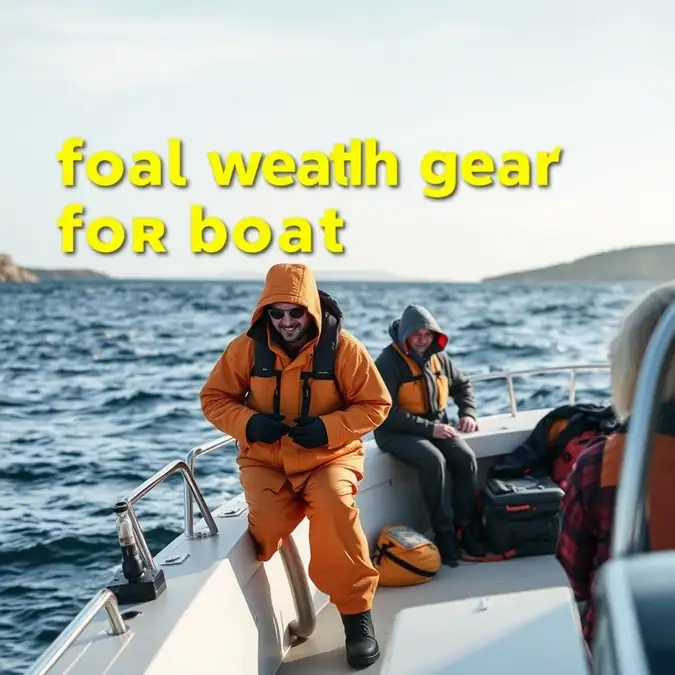
Foul Weather Gear for Boating: Stay Dry and Safe on the Water

Imagine you are out on the lake. Dark clouds roll in. Wind picks up. Rain starts to hit your face. You wonder, will my gear keep me dry? This guide explains foul weather gear for boating. We cover what it is, how it works, what to look for, and how to care for it. By the end, you will know how to choose the right gear for your boat.
Ever wondered why some sailors smile while others shiver in a storm? The answer often lies in the gear they wear. Good foul weather gear keeps water out and lets sweat escape. It also protects you from wind and spray. Let’s dive into the basics.
What Is Foul Weather Gear for Boating?
Foul weather gear for boating is clothing made to keep you dry in wet conditions. It includes jackets, pants, suits, and ponchos. The gear is built from special fabrics that block water but allow air to pass. Think of it as a raincoat made for the sea.
Have you ever felt soaked after a short spray? Standard rain jackets can fail when waves splash. Marine gear uses stronger seals and tougher zippers. It also resists salt and sun damage better than everyday rainwear.
How Does It Work? Materials and Layers
Most foul weather gear uses a three‑layer system. The outer layer stops water and wind. The middle layer blocks water but lets vapor out. The inner layer feels soft against your skin. Together they keep you dry and comfortable.
Outer layers often use nylon or polyester with a durable water repellent (DWR) coating. This coating makes water bead up and roll off. The middle layer is usually a breathable membrane like Gore‑Tex or a similar fabric. The inner layer is a lightweight mesh or fleece.
Seams are taped or welded to stop water from leaking through stitching. Zippers have storm flaps behind them. Hoods and cuffs adjust to seal out spray. These details matter when you are battling a squall.
Types of Foul Weather Gear for Boating
Boaters choose gear based on activity, climate, and personal preference. Below is a simple table that compares the most common types.
| Type | Best For | Pros | Cons |
|---|---|---|---|
| Jacket | Day trips, mild rain | Light, easy to pack | May leave legs wet |
| Bibs (pants) | Fishing, spraying conditions | Keep lower body dry | Need a jacket for top |
| Suit (jacket + bibs) | Offshore, long passages | Full protection | Bulkier, pricier |
| Poncho | Emergency, quick cover | Very cheap, one size fits most | Flaps in wind, less durable |
Which type matches your boat style? Think about how long you stay out and how rough the water gets.
Key Features to Look For
When you shop, focus on a few core features. They make the difference between staying dry and getting soaked.
- Waterproof rating – look for at least 5,000 mm; higher is better for heavy rain.
- Breathability – measured in grams; 5,000 g/m²/24h is a good start.
- Sealed seams – taped or welded seams stop leaks.
- Adjustable hood and cuffs – keep water from creeping in.
- Reinforced high‑wear areas – knees, seat, and elbows last longer.
- Pockets with flaps – keep gear dry and handy.
Do you need a bright color for safety? Many jackets come in high‑visibility orange or yellow. That helps rescuers spot you in low light.
How to Choose the Right Gear for Your Boat
Start by asking yourself a few simple questions.
- What season will I boat most?
- How long are my typical trips?
- Do I fish, cruise, or sail?
- What is my budget?
If you boat in warm climates with occasional showers, a lightweight jacket and bibs may suffice. For cold, wet offshore trips, invest in a full suit with strong breathability.
Try gear on before you buy, if possible. Move your arms, sit, and squat. The gear should feel snug but not tight. Check that the hood turns with your head and the cuffs seal over your gloves.
Have you ever bought gear that looked great in the store but felt stiff on the water? A quick test ride can save you disappointment.
Care and Maintenance Tips
Good gear lasts longer when you treat it right. Rinse with fresh water after each saltwater trip. Salt can break down coatings and cause mildew.
Hang the gear to dry in a shaded area. Direct sun can fade colors and weaken fabric. Avoid using harsh detergents; use a mild soap made for technical wear.
Reapply DWR spray when water stops beading on the surface. Follow the product instructions. Store gear loosely folded or on a wide hanger to keep creases from forming.
Do you store your gear in a damp locker? Moisture encourages mold. A dry, ventilated space keeps it fresh for years.
Frequently Asked Questions About Foul Weather Gear for Boating
What is the best foul weather gear for boating?
The best gear matches your boat type, climate, and budget. Look for a three‑layer suit with sealed seams, a high waterproof rating, and good breathability.
How much does foul weather gear for boating cost?
Prices vary widely. A basic jacket may start around $80. A high‑end offshore suit can exceed $600. Set a budget and compare features before you buy.
What should I look for when buying foul weather gear for boating?
Check the waterproof rating, breathability, sealed seams, adjustable hood and cuffs, and reinforced wear areas. Also consider weight and packability if space is limited.
Can I use regular rain gear for boating?
Regular rain gear may keep you dry in light rain, but it often fails under spray, wind, and salt exposure. Marine‑specific gear offers stronger seals and tougher materials.
How do I know if my gear is still waterproof?
Sprinkle water on the fabric. If it beads up and rolls off, the DWR is working. If the water soaks in, it’s time to clean and re‑treat the surface.
Now you have the knowledge to pick and care for foul weather gear for boating. Get out there, stay dry, and enjoy the waves!