
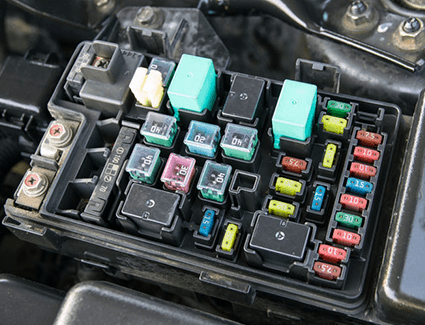
Blown Internal Fuse Protects the Motor From Electrical Surges
Every time you start your boat engine, fire up an RV refrigerator, or power a camping trailer’s motor, a small but critical part stands between your equipment and a costly electrical disaster. A blown internal fuse protects the motor from electrical surges by cutting off power the moment current spikes beyond a safe level. Understanding how this works — and what to do when a fuse blows — can save you hundreds of dollars in repair bills and keep your outdoor adventures running smoothly.
This guide explains what a blown internal fuse is, how it safeguards your motors, the signs that a fuse has failed, and practical steps to prevent repeat failures. Whether you’re a first-time RV owner or a seasoned boater, this information gives you the confidence to handle electrical issues on the road or at the dock.
What Is a Blown Internal Fuse?
A fuse is a simple safety device containing a thin wire or strip designed to melt and break the circuit when current exceeds a set limit. When that wire melts, the fuse is said to be “blown.” The circuit opens, and power stops flowing to the motor or device downstream.
An internal fuse sits inside a larger component — such as a motor, power supply, or control board — rather than in a standalone fuse holder you can easily access. This design means the fuse works as a built-in safeguard specific to that device’s electrical needs.
Fuses come in different ratings measured in amps. A 5-amp fuse handles less current than a 30-amp fuse. The rating matches the motor’s normal operating current so the fuse allows regular use but interrupts the circuit during a spike.
How Does a Fuse Protect a Motor From an Electrical Surge?
An electrical surge is a sudden, short burst of excess current. It can come from lightning, a generator malfunction, a short circuit, or a power supply glitch. Without protection, that surge sends more electricity through the motor windings than they can handle, causing overheating, melted wiring, or complete motor failure.
Here is the basic sequence:
- Current flows normally through the fuse wire at a safe level.
- A surge pushes current above the fuse’s rated limit.
- The thin wire inside the fuse heats up and melts instantly.
- The circuit breaks, and power stops flowing to the motor.
- The motor is spared from the destructive force of the excess current.
This process happens in a fraction of a second. The fuse sacrifices itself so the motor survives.
Why Can’t Many Devices Rely on Surge Protectors Alone?
Surge protectors absorb or redirect excess voltage, but they have limits. A massive surge can overwhelm a surge protector, especially in outdoor settings where power conditions are unpredictable. A fuse adds a physical break in the circuit that no surge protector can match. That is why many marine and RV manufacturers use both — a surge protector handles smaller fluctuations, and the internal fuse acts as a final backup.
Signs That a Fuse Has Blown
Identifying a blown fuse early helps you avoid bigger problems. Watch for these common signs:
- The motor won’t start at all. If your boat engine, RV furnace blower, or trailer jack refuses to respond, a blown fuse may be blocking power entirely.
- Intermittent power loss. A partially damaged fuse may allow brief bursts of current before failing, causing the motor to sputter or stop randomly.
- A burning smell. A blown fuse often leaves a distinct ozone or melted-plastic odor near the component.
- Visible damage. Look through a fuse inspection window. A dark or discolored strip inside the fuse confirms it has blown.
- Related systems not working. If one circuit in your RV or boat powers down while others remain active, the affected circuit likely has a blown fuse.
What Happens If You Ignore a Blown Fuse?
Running a motor without its protective fuse — or bypassing the fuse with a wire — removes the one barrier between normal operation and catastrophic failure. The motor can overheat, windings can burn out, and control boards can fry. In boats and RVs, where electrical systems are tightly integrated, one failed motor can cascade into multiple system failures.
Types of Fuses Used for Motor Protection
Not all fuses are the same. Different motors and applications require different fuse types.
| Fuse Type | Common Use | Key Feature |
|---|---|---|
| Slow-blow (Time-delay) | Motors with high startup current | Allows brief surges during startup without blowing |
| Fast-blow | Sensitive electronics and control boards | Responds immediately to any overcurrent |
| ATC/ATO blade fuses | Automotive and RV systems | Standard plug-in design, easy to replace |
| Glass tube fuses | Marine electronics and small motors | Visible fuse element for easy inspection |
| Resettable (PTC) fuses | Rechargeable devices and battery-powered gear | Self-resets after the fault clears; no replacement needed |
Using the wrong fuse type is a common mistake. A fast-blow fuse in a motor circuit may blow every time the motor starts because the startup current temporarily exceeds the rating. A slow-blow fuse accounts for this brief spike and still protects against sustained surges.
How to Check and Replace a Blown Fuse
Replacing a blown fuse is one of the most basic and useful skills for any outdoor equipment owner. Follow these steps:
- Turn off all power. Switch off the ignition, disconnect the battery, or power down the unit before touching any fuse.
- Locate the fuse. Check your owner’s manual or the equipment panel for the fuse box or fuse holder location.
- Remove the fuse. Use the proper fuse puller or gently twist and pull the fuse out of its holder.
- Inspect the fuse. Look through the inspection window. A intact wire means the fuse is good; a broken or dark wire means it has blown.
- Replace with the same rating. Install a new fuse with the exact same amp rating. Never use a higher-rated fuse — it won’t blow at the right time and could let the motor burn out.
- Test the motor. Restore power and check that the motor runs normally.
When a New Fuse Blows Immediately
If you replace a fuse and it blows again right away, the problem is not the fuse. The fuse is doing its job by telling you something deeper is wrong. Common causes include:
- A short circuit in the motor windings.
- Damaged wiring with exposed conductors touching each other.
- A failing component downstream drawing too much current.
- Water intrusion causing a conductive path where there shouldn’t be one.
In these cases, replacing the fuse again without fixing the root cause risks further damage. Have a qualified technician diagnose the underlying problem.
How to Prevent Fuses From Blowing Repeatedly
Repeated blown fuses are a symptom, not a diagnosis. Prevention starts with addressing the conditions that cause surges and overloads.
Use Quality Power Sources
When boondocking or using generator power, ensure the power source is clean and stable. Poor-quality shore power or an aging generator can send irregular current that stresses motors and blows fuses over time.
Protect Against Voltage Spikes
Install a surge protector at your main power panel or at individual equipment connections. Marine-grade surge protectors are designed to handle the electrical noise common on boats and in RV parks.
Keep Wiring in Good Condition
Over time, wires in outdoor equipment vibrate, flex, and corrode. Frayed insulation can create short circuits that blow fuses. Regularly inspect wiring harnesses, especially in high-moisture areas like boat engine bays and RV underbelly compartments.
Match Fuse Ratings to the Motor
Every motor has a rated current listed in its specifications. The fuse should match or slightly exceed that rating without going over. If you are unsure, consult the equipment manual or a professional rather than guessing.
Avoid Daisy-Chaining High-Power Devices
Plugging multiple high-draw devices into one circuit can overload the fuse. Spread your loads across separate circuits where possible, and use appropriately rated extension cords or power distribution units.
Common Mistakes That Cause Fuses to Blow
Even experienced outdoor enthusiasts make errors that lead to blown fuses. Here are the most frequent ones:
- Using a fuse with the wrong amp rating. A fuse rated too low blows under normal load. One rated too high fails to protect the motor.
- Bypassing the fuse entirely. This removes the motor’s last line of defense and invites catastrophic failure.
- Ignoring warning signs. A motor that runs warm, makes unusual sounds, or loses power intermittently may have an underlying issue stressing the fuse.
- Mixing fuse types. Putting a fast-blow fuse in a motor circuit that needs a slow-blow design causes unnecessary failures at startup.
- Neglecting moisture control. Water and electricity are a dangerous combination. Moisture in fuse boxes or motor compartments creates shorts that blow fuses quickly.
Safety Considerations When Working With Fuses
Electrical systems in boats, RVs, and camping trailers carry enough voltage to cause serious injury. Follow these safety rules:
- Always disconnect the battery before working on any fuse or electrical component.
- Never replace a fuse with a metal strip, coin, or any non-fuse object.
- Wear insulated gloves when handling fuse holders or wiring near electrical panels.
- If you notice scorched wiring, melted components, or persistent burning smells, stop using the equipment and have it inspected.
- Keep a fire extinguisher rated for electrical fires nearby when working on electrical systems.
Practical Insights for Outdoor Equipment Owners
Fuses are inexpensive and easy to carry on board. Keeping a small assortment of common fuse types — 5-amp, 10-amp, 15-amp, and 20-amp blade fuses — in your RV or boat emergency kit means you can respond quickly to a blown fuse without cutting your trip short.
Labeling your fuse box with a simple diagram of what each fuse protects saves time and frustration, especially in an unfamiliar rig or boat. A photo of the fuse panel layout on your phone can be a lifesaver when you need to find the right fuse in the dark or in a hurry.
Seasonal maintenance is another overlooked step. Before each camping or boating season, inspect all accessible fuses, check for corrosion on fuse contacts, and replace any that show signs of weakening. A fuse that has blown once may have weakened the internal connection and could blow again under less stress.
Frequently Asked Questions
Do fuses protect against surges?
Yes. A fuse protects against overcurrent surges by melting its internal wire and breaking the circuit when current exceeds a safe level. It acts as a physical disconnect that prevents excess electricity from reaching the motor.
How do surge protectors and fuses work together?
A surge protector absorbs or redirects smaller voltage spikes. A fuse handles larger overcurrent events by physically breaking the circuit. Together, they provide layered protection — the surge protector manages everyday fluctuations, and the fuse acts as a final safeguard during major events.
What type of fuse is best for motor protection?
Slow-blow (time-delay) fuses are generally best for motors because they tolerate the brief current spike during motor startup without blowing, while still protecting against sustained overcurrent that could damage the motor.
How to stop a fuse from blowing in a car or RV?
Ensure the fuse rating matches the circuit’s needs, avoid overloading circuits with too many devices, inspect wiring for damage or moisture, and use quality power sources. If a fuse keeps blowing, the underlying issue — such as a short circuit or failing component — needs professional diagnosis.
What should never be plugged into a surge protector?
High-draw heating appliances like space heaters, coffee makers, or microwaves should not be plugged into standard surge protectors. These devices can draw more current than the protector or its fuse can handle, creating a fire or equipment damage risk.
How to protect against electrical surges in an RV or boat?
Use a whole-system surge protector at your power inlet, install individual fuse protection on sensitive equipment, maintain clean and undamaged wiring, and avoid using power sources with known electrical issues.
Final Thoughts
A blown internal fuse is not a failure — it is a success. When a fuse blows, it has done exactly what it was designed to do: sacrifice itself to save the motor from an electrical surge. Understanding this simple protection mechanism helps you respond quickly when a fuse blows, fix the underlying cause, and keep your outdoor equipment running safely.
Carry spare fuses, learn how to replace them, and pay attention to the warning signs of electrical trouble. In the world of boating, RVing, and camping, a small piece of equipment can make the difference between a quick fix and a ruined trip — or worse, a dangerous situation.