
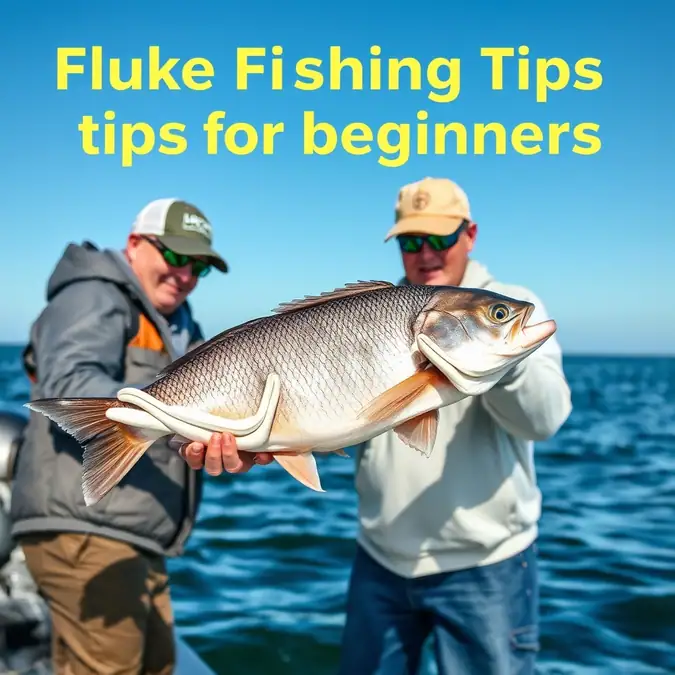
Fluke Fishing Tips for Beginners: A Simple Guide to Catch More Flounder
I was struggling to hook any fluke on my first trip out, feeling frustrated as the line went slack again and again. Then I discovered a few simple fluke fishing tips for beginners that changed everything. In this guide I’ll share what worked for me, why these tips matter, and how you can start catching more flounder today.
Key Takeaways

- Fluke fishing tips for beginners focus on simple gear, proper bait, and timing.
- Using light tackle and a slow retrieve increases your hook‑up rate.
- Check local regulations and tide charts before you head out.
- Practice casting near structure such as wrecks, reefs, and sandy drop‑offs.
- Stay patient; fluke often bite subtly, so watch for slight line movement.
Why Use Fluke Fishing Tips for Beginners?

Fluke, also known as summer flounder, can be tricky for new anglers. They often hide near the bottom and bite lightly. Without the right approach you might spend hours with no action. Using proven fluke fishing tips for beginners helps you understand where they hold, what bait works, and how to feel those soft bites.
These tips cut down the learning curve. Instead of guessing, you follow steps that have worked for many anglers. You’ll spend more time fishing and less time figuring out why nothing is biting.
When you apply the basics, you build confidence. Each small success encourages you to try new spots and techniques. Over time the tips become second nature, and you start catching fluke more consistently.
Benefits of Using Fluke Fishing Tips for Beginners

The biggest benefit is more fish in the boat. Simple changes like using a lighter jig or adding a strip of squid can turn a slow day into a productive one.
Another benefit is reduced frustration. Knowing where to look and how to present your bait means fewer empty casts. You’ll enjoy the trip more when you see steady action.
Finally, these tips help you stay safe and legal. By checking size limits and season dates you avoid fines and help preserve the fluke population for future anglers.
Types of Fluke Fishing Tips for Beginners

Fluke fishing tips for beginners can be grouped into three main categories: location tips, gear tips, and presentation tips. Each group addresses a different part of the fishing process.
Location tips tell you where fluke like to hang out, such as near sandy bottoms, drop‑offs, and structures. Gear tips cover the right rod, reel, line, and bait choices. Presentation tips explain how to move your lure or bait to trigger a bite.
By learning a tip from each category you create a well‑rounded approach that works in many conditions.
Popular Types of Fluke Fishing Tips for Beginners
Among location tips, the most popular is to fish during a moving tide, especially the incoming or outgoing flow. Fluke use the current to bring food to them, so they sit facing the current and wait.
For gear, a light spinning rod (6‑7 feet) with a 10‑15 lb test line is a common recommendation. Pair it with a small bucktail jig or a soft plastic grub tipped with a strip of squid.
Presentation tips often recommend a slow drag along the bottom, pausing every few seconds to let the bait flutter. A gentle lift‑and‑drop motion can mimic a fleeing baitfish and provoke a strike.
How to Choose Fluke Fishing Tips for Beginners
Start by assessing your local conditions. Look at tide charts, water temperature, and recent fishing reports. If the water is warm and the tide is moving, focus on location and presentation tips.
Next, consider your gear. If you only have a heavy surf rod, you may need to switch to a lighter setup for better sensitivity. Choose tips that match the equipment you can actually use.
Finally, think about your experience level. If you are brand new, begin with the simplest tips: use a bucktail jig, cast near structure, and retrieve slowly. As you gain confidence you can add more advanced tactics like drifting with a sinker rig.
Installation and Setup of Fluke Fishing Tips for Beginners
Setting up for fluke fishing is straightforward. First, attach a 10‑15 lb monofilament or fluorocarbon line to your spinning reel. Then tie on a bucktail jig weighing 1/8 to 1/4 ounce, depending on the current.
Add a small strip of squid or a piece of soft plastic to the jig hook. This extra scent and movement makes the bait more appealing to fluke.
Adjust your drag so that line can peel out smoothly when a fish pulls, but still offers enough resistance to set the hook. A good rule is to set the drag at about one‑third of the line’s breaking strength.
Finally, make sure your rod guides are clean and free of nicks. A smooth guide reduces friction and helps you feel subtle bites.
Tips for Using Fluke Fishing Tips for Beginners Effectively
Keep your presentations slow. Fluke often bite lightly, so a fast retrieve can pull the bait away before they fully commit.
Watch your line tip for any twitch or pause. Even a tiny movement can indicate a fish has taken the bait.
Stay near the bottom but avoid snagging. If you feel the bottom, lift the rod slightly to keep the jig just above the sand.
Change your bait periodically. Fresh squid or a new strip of soft plastic can revive a slow bite.
Take short breaks to let the area rest. Sometimes moving to a new spot for ten minutes and then returning can produce a second wave of activity.
How It Works for Me
When I first tried these fluke fishing tips for beginners I focused on the incoming tide near a small wreck. I used a 1/8‑ounce bucktail jig tipped with a squid strip and let it drift along the sandy bottom.
After a few minutes I felt a soft tap on the line. I set the hook gently and felt the familiar head‑shake of a fluke. The fish came in easily, and I landed a nice 14‑inch specimen.
Repeating the same process at different spots gave me steady action throughout the morning. The simple setup let me concentrate on feeling the bite rather than wrestling with heavy gear.
What I Like
I like how little gear is needed to get started. A light rod, a few jigs, and some bait are all that’s required.
I also appreciate the immediate feedback. Because the tackle is light, you can feel even the slightest nibble, which makes the experience engaging.
Finally, the tips are adaptable. If the tide changes or the water gets cloudier, you can adjust the jig weight or bait size without overhauling your whole system.
What Could Be Better
One limitation is that light tackle can be less effective in very strong currents. In those situations you may need a heavier jig to keep the bait near the bottom.
Another point is that the bites can be so subtle that beginners might miss them if they are not paying close attention. Practice helps, but it takes time to develop that feel.
Lastly, relying solely on bait strips can attract other species like sea robins, which may steal the bait before a fluke gets a chance.
My Personal Experience
My first fluke trip was a mix of excitement and confusion. I cast a heavy spoon and waited, but nothing happened. After watching a local angler use a tiny jig, I switched tactics and saw results almost immediately.
Over several outings I learned to read the tide, pick the right spot, and trust my intuition when the line twitched. Each small success built my confidence and made the trips more enjoyable.
Now I share these fluke fishing tips for beginners with friends who are just starting out. Seeing them land their first fluke reminds me of why I love this simple, effective approach.
Recommendation
If you are new to fluke fishing, start with a light spinning rod, a bucktail jig in the 1/8‑ to 1/4‑ounce range, and a strip of fresh squid. Fish near structure during a moving tide and retrieve slowly.
Keep your drag loose enough to feel subtle bites, and stay patient. With these basics you’ll likely see more action and have more fun on the water.
How to Use Fluke Fishing Tips for Beginners Effectively
Begin each trip by checking the tide schedule and picking a spot with known fluke habitat. Arrive early to set up your gear before the tide starts moving.
Make a few test casts to gauge the bottom feel. Adjust your jig weight so it stays just above the sand without dragging.
Focus on a slow, steady retrieve with occasional pauses. Watch the line tip closely for any sign of a bite.
If the action slows, try changing the bait or moving a short distance to a different piece of structure. Sometimes a small shift is all it takes to restart the bite.
End your session by cleaning your gear and noting what worked and what didn’t. This simple log helps you improve each time you go out.
Fluke Fishing Tips for Beginners Alternatives
Some anglers prefer using a fluke rig with a sinker and a hook baited with a strip of bait instead of a jig. This setup can work well in deeper water where a jig might not reach the bottom quickly.
Another alternative is to troll a small spoon or soft plastic behind a slow‑moving boat. This method covers more area and can locate schools of fluke.
Finally, fly fishing enthusiasts sometimes use a weighted fluke pattern on a sinking line. While less common, it can be effective in shallow, clear conditions.
My Personal Recommendation
After trying several approaches, I find that a simple bucktail jig with a squid strip gives the most consistent results for beginners. It is easy to use, inexpensive, and works in a variety of tide conditions.
Give it a try on your next outing. You may be surprised how quickly you start feeling those subtle fluke bites.
Quick Comparison Table
| Option | Key Benefit | Price Range | Best For |
|---|---|---|---|
| Starter Jig Setup | Easy to use, good feel | Varies by retailer | New anglers wanting simplicity |
| Fluke Rig with Sinker | Keeps bait deep in strong current | Varies by retailer | Anglers fishing deeper or faster water |
| Trolling Spoon | Covers more area, locates schools | Varies by retailer | Boaters who prefer moving baits |
FAQs
What is the best fluke fishing tips for beginners?
The best tip is to use a light bucktail jig with a strip of squid and fish near structure during a moving tide.
How much does fluke fishing tips for beginners cost?
Cost depends on the gear you choose; a basic jig and bait setup can be inexpensive, often under twenty dollars.
What should I look for when buying fluke fishing tips for beginners?
Look for a light rod, sensitive line, and jigs that match the local current strength. Fresh bait such as squid improves results.
Conclusion
Fluke fishing for beginners does not need to be complicated. By focusing on light tackle, fresh bait, and smart location choices you can turn a slow day into a rewarding one.
Remember to check the tide, keep your retrieve slow, and stay alert for subtle bites. With practice these simple steps become second nature and you’ll enjoy more steady action on the water.
Give these fluke fishing tips for beginners a try on your next trip and see the difference for yourself.