
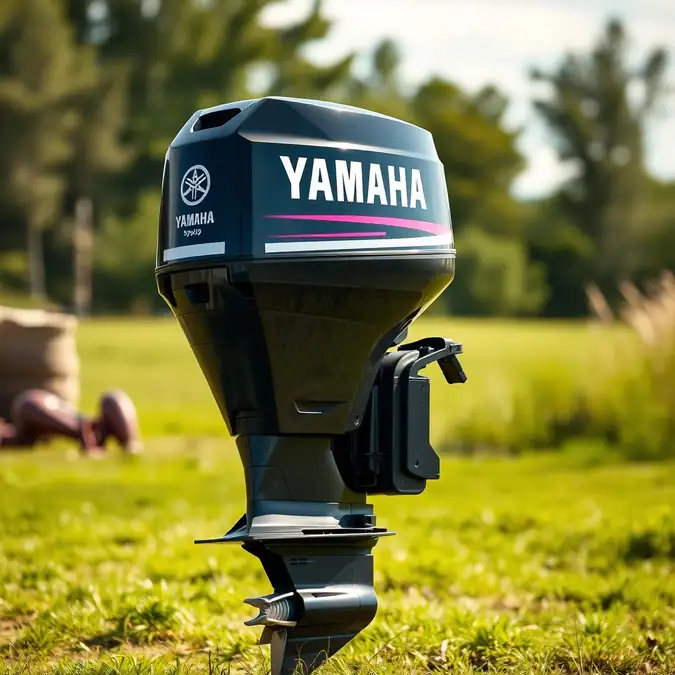
Yamaha 115 HP 4 Stroke Not Starting: Troubleshooting Guide
Nothing kills a day on the water faster than turning the key and hearing nothing but silence. If your Yamaha 115 HP 4 stroke outboard refuses to fire up, you’re likely dealing with a common issue that can often be traced to a few straightforward systems. This guide walks you through the most likely culprits and gives you clear, step‑by‑step checks so you can get back to boating with confidence.
Whether you’re a seasoned angler or a weekend cruiser, understanding why a Yamaha 115 HP 4 stroke not starting occurs helps you avoid unnecessary trips to the shop and keeps maintenance costs down. Let’s start with the basics and move toward more involved diagnostics.
Safety First

Before you touch any wires, fuel lines, or moving parts, make sure the boat is securely tied to the dock or on a trailer with the engine in neutral. Disconnect the battery negative terminal if you’ll be working on electrical components, and always wear safety glasses. Keeping the work area ventilated is also important when you’re dealing with fuel vapors.
Common Causes Overview

When a Yamaha 115 HP 4 stroke not starting situation arises, the problem usually falls into one of four categories:
- Fuel delivery – the engine isn’t getting the right amount of clean gasoline.
- Ignition – the spark plugs aren’t firing at the right time.
- Electrical – the battery, starter, or safety switches aren’t providing power.
- Mechanical – internal compression or internal damage prevents the engine from turning over.
By checking each system in order, you can isolate the fault without tearing down the whole powerhead.
Fuel System Checks

Check the Fuel Tank and Lines
Start with the simplest items: ensure the tank has fresh fuel (no more than 30 days old if ethanol‑blended) and that the vent is open. A clogged vent creates a vacuum that stops fuel flow. Inspect the fuel lines for cracks, kinks, or loose connections; replace any damaged sections.
Inspect the Fuel Filter
The Yamaha 115 HP 4 stroke uses an inline fuel filter that can become clogged with debris or water. Locate the filter (usually near the carburetor or fuel pump), remove it, and hold it up to the light. If you see dark sediment or water droplets, replace the filter. A clean filter ensures proper pressure reaches the carburetor.
Test the Fuel Pump and Carburetor
With the engine off, squeeze the primer bulb (if equipped) until it feels firm. If it stays soft, the pump may not be building pressure. Listen for a faint whirring sound when you turn the key to the “ON” position; no sound could indicate a failed pump. For the carburetor, spray a small amount of carburetor cleaner into the throat while cranking; a brief sputter suggests the carb is getting fuel but may need cleaning or adjustment.
Ignition System Checks

Examine the Spark Plugs
Remove each spark plug using a plug socket. Look for fouling (black, oily deposits), wear, or incorrect gap. The Yamaha 115 HP 4 stroke typically uses a 0.030‑inch gap; adjust with a feeler gauge if needed. If the plugs are wet with fuel, the engine may be flooded—let them dry for a few minutes before reinstalling. Replace any plugs that show signs of damage.
Check the Ignition Coil and Spark Plug Wires
Inspect the coil for cracks or corrosion. Using a multimeter, measure the primary and secondary resistance according to the service manual (usually a few ohms primary, several kilohms secondary). Out‑of‑range readings mean the coil needs replacement. Likewise, check the spark plug wires for continuity; high resistance or visible wear warrants new wires.
Verify the Kill Switch and Safety Lanyard
Many Yamaha outboards have a kill switch that cuts ignition when the lanyard is pulled. Ensure the lanyard is securely attached and the switch is in the “run” position. A faulty switch can mimic a no‑start condition even when the battery and fuel are fine.
Electrical System Checks
Battery Voltage and Connections
A weak battery is a frequent cause of a Yamaha 115 HP 4 stroke not starting. Measure voltage at the battery terminals with a multimeter; you should see at least 12.6 V at rest and no less than 10 V while cranking. Clean any corrosion from the terminals and tighten the clamps. If the battery fails to hold a charge, charge it fully or replace it.
Starter Motor and Solenoid
Listen for a click when you turn the key. A single click often points to the solenoid; rapid clicking can indicate a weak battery. If you hear nothing, check the starter motor’s electrical connections and test for voltage at the starter terminal while cranking. No voltage suggests a wiring or ignition switch issue; voltage present but no crank means the starter may be seized or defective.
Neutral Safety Switch and Gear Position Sensor
The engine will not crank if the gear selector is not in neutral or if the neutral safety switch is faulty. Wiggle the shift lever while holding the key in the start position; if the engine cranks intermittently, the switch or its wiring may need attention.
Mechanical Checks
Compression Test
Low compression prevents the air‑fuel mixture from igniting. Using a compression gauge, remove each spark plug and crank the engine for a few seconds. Readings should be within 10 % of each other and above the manufacturer’s minimum (often around 100 psi for this model). Significantly low or uneven compression can indicate worn piston rings, valve issues, or a blown head gasket.
Timing Belt or Chain (if applicable)
Some Yamaha 115 HP 4 stroke models use a timing belt; a slipped or broken belt will keep the camshaft from turning, resulting in no start. Inspect the belt for teeth damage or excessive wear. If you’re not comfortable checking timing, consult a service manual or a marine mechanic.
Water Pump and Overheating Safeguards
If the engine overheated recently, a safety sensor may have disabled the start circuit. Allow the engine to cool completely, then check the temperature sensor and water pump for blockages. Restoring proper coolant flow often resets the safety circuit.
When to Call a Professional
If you’ve verified fuel, spark, battery, and safety switches yet the Yamaha 115 HP 4 stroke not starting condition persists, deeper internal issues may be at play. Persistent low compression, unusual noises when cranking, or error codes from the ECM (if equipped) are signs that a qualified marine technician should perform a full diagnostic. Attempting major internal repairs without the proper tools can cause further damage.
Preventive Maintenance Tips
Regular care reduces the chance of a no‑start surprise. Consider these habits:
- Use fresh, ethanol‑free fuel or add a stabilizer if the boat will sit for more than two weeks.
- Replace the inline fuel filter every 50 hours or at least once per season.
- Inspect spark plugs every 25 hours; replace them annually or as needed.
- Keep battery terminals clean and charge the battery after each outing.
- Run the engine at least once a month during the off‑season to lubricate internal parts.
- Flush the cooling system with fresh water after each saltwater trip to prevent corrosion.
Final Thoughts
Diagnosing a Yamaha 115 HP 4 stroke not starting issue doesn’t have to be overwhelming. By methodically checking fuel, ignition, electrical, and mechanical systems, you’ll often find the root cause without needing a teardown. Keep this guide handy on your boat or in your garage, and you’ll spend less time guessing and more time enjoying the water.
1 thought on “Yamaha 115 HP 4 Stroke Not Starting: Troubleshooting Guide”