
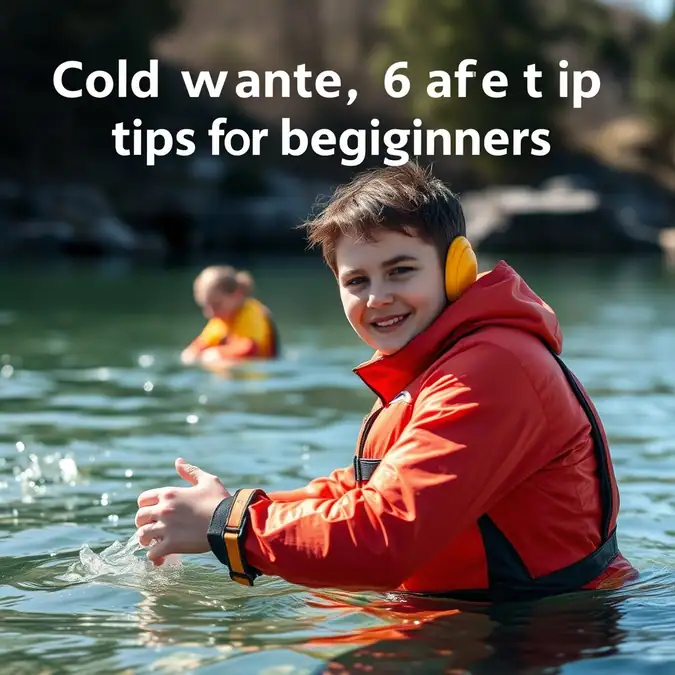
Cold Water Safety Tips for Beginners: Stay Safe on the Water

Overview
Imagine you are on a lake. The sun is warm. The water looks calm. You jump in to swim. Suddenly, the water feels icy. Your breath stops. Your hands go numb. This can happen to anyone. Knowing cold water safety tips for beginners can save your life.
This guide shows easy steps to stay safe. You will learn what to wear. You will learn how to act if you fall in. You will learn how to help a friend. Keep reading to stay safe out there.
Stay calm. Think fast. Use your gear. Every minute counts. You can do it.
How Cold Water Affects You
Ever wondered why cold water feels so harsh? It steals heat from your body fast. Your skin feels pain in seconds. Your muscles may cramp. Your mind can get foggy. This is called cold shock.
Cold shock can happen in water under 70°F. It can cause a gasp reflex. You might inhale water. Your heart may race. Your blood pressure can rise. All of this can lead to drowning.
Your body tries to stay warm. It shuts down blood flow to arms and legs. This keeps your core warm. But your limbs lose strength fast. You may not be able to swim or climb.
How long can you last? In 50°F water, you may have 10-15 minutes before muscle failure. In 32°F water, you may have less than 5 minutes. Time is short.
What should you do first? Keep your head above water. Control your breathing. Stay still if you can. Move only when you must.
Essential Gear
What gear helps you survive cold water? The right gear buys you time. It keeps you warm and afloat.
Here is a simple table of common gear and why it helps.
| Gear | Why It Helps | When to Use |
|---|---|---|
| Life jacket | Keeps you afloat | Always on boat |
| Wetsuit | Traps a thin warm layer | Water 50‑70°F |
| Dry suit | Keeps you totally dry | Water below 50°F |
| Neoprene gloves | Stops hand numbness | Any cold water |
| Neoprene hood | Keeps head warm | Very cold water |
Pick gear that fits well. A loose jacket won’t hold heat. A tight suit can restrict movement. Test your gear before you go out.
Do you need all of this? Not always. A life jacket is a must. Add a wetsuit if you expect long exposure. Add gloves and hood for extra comfort.
How do you care for your gear? Rinse it with fresh water after each use. Dry it away from direct sun. Store it in a cool dry place.
What to Do If You Fall In
Ever thought about what your first move should be? Stay calm. Panic uses heat fast.
First, get your head out of the water. Tilt your head back. Breathe slow and deep.
Second, try to get back to the boat or shore. Use any float you have. Kick with your legs if you can.
Third, if you cannot get out, keep still. Hug your knees to your chest. This posture is called the HELP position. It reduces heat loss.
Fourth, signal for help. Wave your arms. Shout if you can. Use a whistle if you have one.
Fifth, keep your clothes on. Wet clothes still add some insulation. Do not take them off unless they are heavy and drag you down.
Sixth, monitor your breathing. If you feel dizzy, focus on slow breaths. If you start to shiver, that is a good sign—your body is trying to warm itself.
Seventh, if you start to lose feeling in your limbs, act fast. Try to reach safety before you lose strength.
Helping Others
What if you see someone fall in? Your safety comes first. Do not jump in unless you are trained.
First, shout for help. Alert anyone nearby.
Second, throw a float. Use a life ring, a cooler, or a rope.
Third, if you have a boat, pull up slowly. Keep the propeller away from the person.
Fourth, once they are close, help them grab the boat. Use a ladder or a rope.
Fifth, keep them still. Do not let them move their arms or legs much.
Sixth, cover them with a dry blanket or jacket. Block the wind.
Seventh, get them to warm shelter as soon as you can. Seek medical help even if they seem fine.
Eighth, watch for signs of delayed shock. Confusion, vomiting, or extreme tiredness can appear later.
Quick Checklist
Before you head out, run through this list.
- Life jacket on and fastened
- Check weather and water temp
- Pack wetsuit or dry suit if needed
- Pack gloves and hood
- Bring a whistle or signal mirror
- Tell someone your plan
- Know the HELP position
- Know how to throw a float
After your trip, rinse gear. Dry it well. Store it ready for next time.
Frequently Asked Questions About Cold Water Safety Tips for Beginners
What is the most important piece of gear?
A life jacket is the most important. It keeps you afloat even if you lose strength.
Can I swim in cold water without a wetsuit?
You can, but you will lose heat fast. Limit your time to a few minutes.
How do I know if water is too cold?
If it feels below 70°F, treat it as cold. Use protection if you will be in it long.
Should I remove my clothes if I fall in?
No. Keep them on unless they weigh you down. They still give some warmth.
What is the HELP position?
Hug your knees to your chest and keep your arms close. This cuts heat loss.
Stay safe, have fun, and respect the water.