
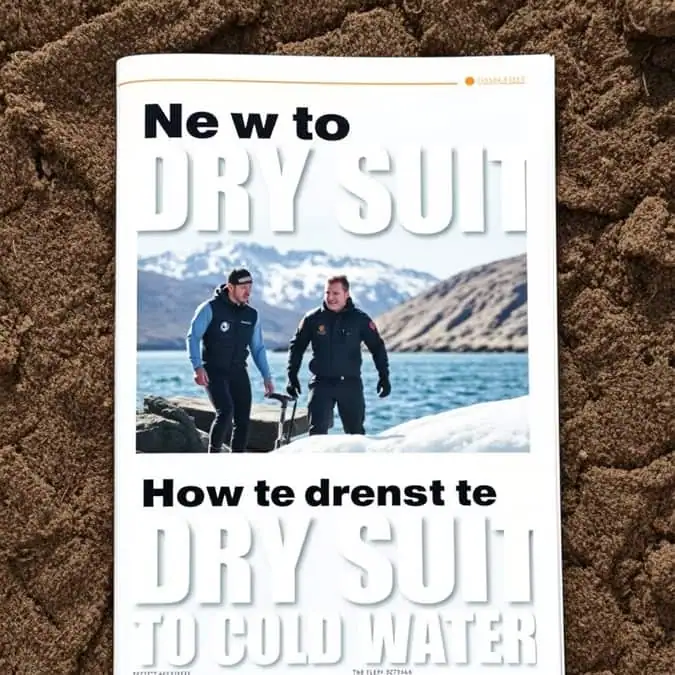
How to Choose a Dry Suit for Cold Water: A Step-by-Step Guide

Learning how to choose a dry suit for cold water keeps you warm, safe, and ready for fun. A good suit stops water from getting in and lets you stay out longer. This guide shows you each step in plain words. You will know what to look for, what to avoid, and how to test the fit. Estimated time: 20 minutes. Difficulty: Easy. Primary objective: Pick a dry suit that fits your needs and budget.
Table of Contents
Before You Start: Tools, Gear & Preparation
| Item / Tool | Purpose | Optional / Required |
|---|---|---|
| Measuring tape | Check your chest, waist, hips, and inseam | Required |
| Notebook and pen | Write down sizes and notes | Required |
| Access to a shop or online store | See suits and compare | Required |
| Warm base layer | Test fit with layers on | Optional |
| Waterproof zipper lubricant | Keep zipper smooth | Optional |
Make sure you are in a dry, well‑lit area. Have your measurements handy. If you plan to buy online, know the store’s return policy.
Step 1: Know Your Water Temp and Conditions
First, think about the water you will face. Is it near freezing, or just cool? Cold water below 50°F (10°C) needs a suit with good insulation.
Next, consider the activity. Will you be kayaking, diving, or working on a boat? Active sports need a suit that lets you move.
Finally, note the air temperature and wind. Wind chill can make you feel colder even if the water is mild.
Step 2: Decide on Suit Type (Shell vs Insulated)
There are two main kinds of dry suits:
- Shell suit: Made of thin waterproof fabric. You wear warm layers underneath.
- Insulated suit: Has built‑in fleece or foam. It is warmer but bulkier.
If you like to adjust layers, pick a shell. If you want one‑piece warmth, choose an insulated suit.
Think about how much you want to carry. A shell is lighter to pack.
Step 3: Check Material and Seams
The fabric must be tough and waterproof. Look for:
- Nylon or polyester with a polyurethane coating.
- Reinforced knees and seat.
- Seams that are taped or welded.
Ask the seller: “Are the seams fully taped?” Taped seams stop leaks.
Check the neck and wrist seals. They should be made of smooth silicone or latex.
Step 4: Fit and Sizing
A dry suit must fit snug but not tight. Follow these steps:
- Put on your base layers.
- Step into the suit and pull it up.
- Close the zipper (or have a buddy help).
- Move your arms, legs, and torso.
You should feel no pulling at the shoulders or crotch. The suit should not balloon when you move.
If you feel tight spots, try a larger size. If the suit bags, try a smaller size.
Remember: You will wear extra clothes underneath, so leave room for them.
Step 5: Features to Look For (zippers, socks, hood)
Good features add comfort and safety.
- Zipper: A front‑entry waterproof zipper is easiest to use. Look for a flap that covers it.
- Socks: Built‑in socks keep your feet dry. Make sure they fit your boots.
- Hood: An attached hood helps retain heat. Some hoods detach for flexibility.
- Pockets: Waterproof pockets are handy for small gear.
- Reinforcements: Extra patches on elbows and knees add life.
Ask: “Can I replace the seals if they wear out?” Replaceable seals save money.
Step 6: Test and Care
Before you buy, try the suit on with your gear. Simulate the motions you will use.
Check the zipper moves smoothly. Lubricate it if needed.
After each trip:
- Rinse the suit with fresh water.
- Hang it to dry away from direct sun.
- Store it loosely, not folded tight.
Inspect seals and seams every few months. Replace any cracked latex or worn tape.
Common Mistakes & Troubleshooting
Problem: Suit leaks at the neck
Cause: Seal is too loose or damaged.
Quick Fix: Adjust the seal or replace the latex gasket.
Problem: Zipper sticks
Cause: Dirt or lack of lubricant.
Quick Fix: Clean zipper teeth, apply zipper lubricant, work it back and forth.
Problem: Suit feels too tight when layered
Cause: Size chosen without base layers.
Quick Fix: Go up one size, or choose a shell suit for layering.
Problem: Boots slip inside built‑in socks
Cause: Sock size too large.
Quick Fix: Wear a thin neoprene liner sock, or exchange for a smaller sock size.
Frequently Asked Questions About How to Choose a Dry Suit for Cold Water
What thickness of dry suit do I need for water near freezing?
For water below 40°F (4°C), choose an insulated suit with at least 200 g of fleece or a 5 mm neoprene liner. A shell suit with thick layers works too.
Can I use a dry suit for warm water?
Yes, but you may overheat. A breathable shell suit with light layers is best for warm conditions.
How often should I replace the seals?
Check seals every 6‑12 months. Replace latex seals when they show cracks or lose stretch. Silicone seals last longer but still need inspection.
Is a front zipper better than a diagonal zipper?
A front zipper is easier to close alone. A diagonal zipper can offer a smoother seal but may need a buddy to help.
Do I need a hood if I wear a hat?
A hood gives better seal and heat retention. If you prefer a hat, make sure the suit’s neck seal is tight and water‑tight.
Final Thoughts
You now know how to choose a dry suit for cold water. Remember to match the suit to your water temp, activity, and layering needs. Test the fit, check the seals, and care for the gear after each trip.
Get out there, stay dry, and enjoy the cold water safely!