
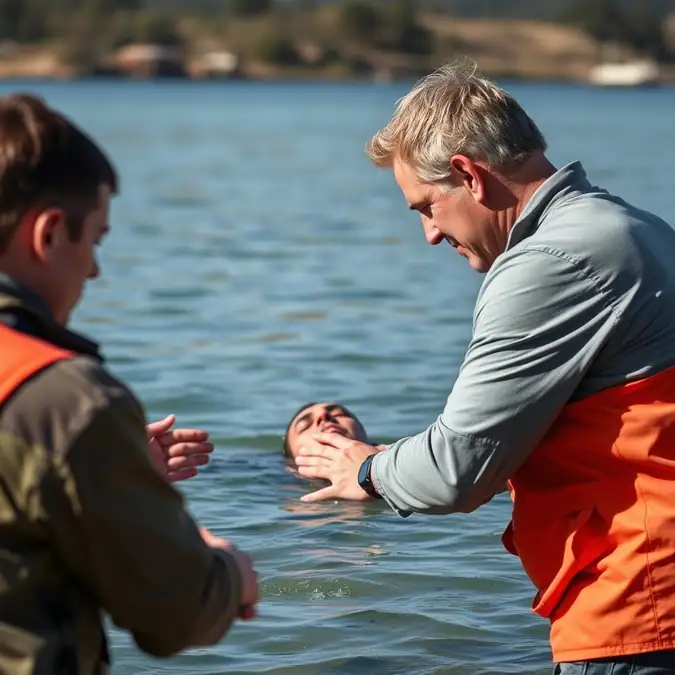
steps to help a victim of cold water immersion: Rescue Guide

When someone falls into icy water, every second counts. Cold water can steal heat fast and cause shock. Knowing the right steps to help a victim of cold water immersion can save a life. This guide shows you what to do, what gear you need, and how to stay safe while you act. Estimated time: 10 to 15 minutes. Difficulty: easy. Main goal: get the person warm and breathing again.
Table of Contents
- Before You Start: Tools, Gear & Preparation
- Step 1: Check for Danger and Call for Help
- Step 2: Get the Person Out of Water
- Step 3: Remove Wet Clothes and Cover
- Step 4: Warm the Core Slowly
- Step 5: Monitor Breathing and Be Ready for CPR
- Step 6: Get Professional Help
- Common Mistakes & Troubleshooting
- Frequently Asked Questions About steps to help a victim of cold water immersion
- Final Thoughts
Before You Start: Tools, Gear & Preparation
| Item / Tool | Purpose | Optional / Required |
|---|---|---|
| Throw rope or rescue line | To pull the person to safety without entering water | Required | Personal flotation device (PFD) | To keep the victim afloat if you must go in | Required |
| Thermal blanket or emergency blanket | To trap body heat | Required |
| Dry clothes or spare layers | To replace wet garments | Required |
| First aid kit | For basic care and CPR supplies | Required |
| Waterproof flashlight | To see in low light or night | Optional |
| Insulated gloves | To protect your hands from cold | Optional |
| Phone or marine radio | To call for help | Required |
Make sure you are on stable ground or a safe boat deck. Check that the water is not too rough for a rescue. Keep your own safety gear on, like a PFD, before you approach the victim.
Step 1: Check for Danger and Call for Help
Look around for hazards like fast currents, ice, or boat traffic. If it is unsafe to enter, stay on shore or deck.
Shout for help and tell someone to call emergency services. Give them your exact location and the number of people in the water.
Captain’s Note: If you have a marine radio, use channel 16 to send a distress call. This gets help faster than a phone in many areas.
Do not jump in unless you are trained and wearing a PFD. Your safety comes first.
Step 2: Get the Person Out of Water
If you can reach the victim with a rope, throw it past them and pull them to you. Keep the rope taut but do not jerk.
If you must enter the water, approach from behind to avoid being grabbed. Support their head and keep their face out of the water.
Once you have a hold, swim or pull them to the nearest safe exit, like a ladder, dock, or shallow shore.
Move slowly and steady. Sudden moves can cause the victim to panic or inhale water.
Step 3: Remove Wet Clothes and Cover
Lay the person flat on their back on a dry surface. Remove all wet clothes as fast as you can.
Cut away clothing if needed; do not waste time with buttons or zippers.
Wrap the person in a thermal blanket or any dry jacket, coat, or tarp you have. Cover the head, but leave the face clear for breathing.
If you have no blanket, use dry towels, shirts, or even a spare sail. The goal is to stop heat loss.
Step 4: Warm the Core Slowly
Place warm (not hot) water bottles or heat packs under the arms, around the neck, and at the groin. These areas transfer heat to the core best.
Do not use direct heat like a stove, fire, or heating pad. Rapid warming can cause dangerous heart rhythms.
Give the person warm, sweet drinks if they are awake and able to swallow. Avoid alcohol or caffeine.
Keep checking their skin color and breathing. Shivering is a good sign the body is trying to warm.
Step 5: Monitor Breathing and Be Ready for CPR
Look for chest movement, listen for breath sounds, and feel for air on your cheek. If breathing stops, start CPR right away.
If you are not trained in CPR, give hands‑only chest compressions at a rate of 100 to 120 per minute.
Continue CPR until help arrives or the person shows signs of life.
Captain’s Note: Even if the person seems dead, cold water can preserve the brain. Keep trying.
Step 6: Get Professional Help
When emergency crews arrive, tell them what you did, how long the person was in the water, and any changes you saw.
Let the medics take over. They have tools like warm IV fluids and advanced monitors.
Stay with the victim until they are in the ambulance or care facility.
After the event, review what worked and what could be better for next time.
Common Mistakes & Troubleshooting
Problem: Victim starts to vomit while being warmed
Cause: The stomach is full or the person is gagging on fluids.
Quick Fix: Turn the person on their side. Clear the mouth with a finger if needed. Keep the airway open.
Problem: Rescuer gets too cold and can’t help
Cause: Staying in wet clothes or not wearing a PFD.
Quick Fix: Get out of the water, change into dry layers, and drink a warm beverage. Rest before trying again.
Problem: No rope or flotation device nearby
Cause: Poor preparation or gear left on shore.
Quick Fix: Use a sturdy branch, oar, or even a belt to reach the person. If you must go in, keep a hold on the boat or dock.
Frequently Asked Questions About steps to help a victim of cold water immersion
How long can a person survive in cold water?
Survival time depends on water temperature, body size, and clothing. In water near freezing, a person may last 15 to 45 minutes before losing consciousness.
Should I rub the victim’s arms and legs to warm them?
No. Rubbing can push cold blood back to the heart and cause cardiac arrest. Warm the core first, not the extremities.
Is it safe to give alcohol to a cold water victim?
Never. Alcohol widens blood vessels and makes the body lose heat faster. It also impairs judgment.
What if the victim is not breathing but still cold?
Start CPR immediately. Cold can protect the brain for a short time. Keep giving breaths and compressions until help arrives.
Do I need to remove shoes and socks?
Yes. Wet footwear holds cold against the feet. Take them off and replace with dry socks if you have them.
Final Thoughts
Knowing the steps to help a victim of cold water immersion can turn a scary moment into a saved life. Act fast, keep yourself safe, and focus on warming the core.
Practice these steps with your crew or family so they become second nature. Then enjoy your time on the water, knowing you are ready to help if needed.
1 thought on “steps to help a victim of cold water immersion: 5 Tips”