
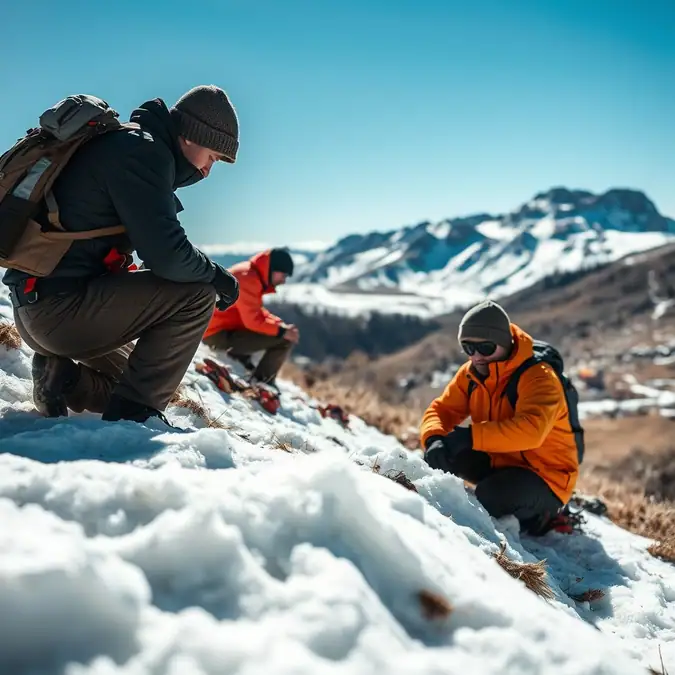
steps to treat hypothermia in the field: A Simple Step-by-Step Guide

If you are out on the water, on a trail, or in a cold camp, you may see signs of hypothermia. Shivering, slurred speech, and clumsy hands are early clues. Knowing the steps to treat hypothermia in the field can keep a friend safe and buy time for help. This guide shows what to do, what gear you need, and how to act fast. Expect to spend about 20 minutes to learn the steps. The task is easy for anyone with basic first‑aid sense. Stay calm, act quick, and keep the person warm. You will need a few simple items and a clear mind.
Table of Contents
- Before You Start: Tools, Gear & Preparation
- Step 1: Look for Signs and Call for Help
- Step 2: Get to Shelter
- Step 3: Take Off Wet Clothes
- Step 4: Warm the Core
- Step 5: Give Warm Drinks
- Step 6: Watch and Wait
- Common Mistakes & Troubleshooting
- Frequently Asked Questions About steps to treat hypothermia in the field
- Final Thoughts
Before You Start: Tools, Gear & Preparation
Gather your gear before you start. You do not need much, but each item helps. Keep the list short and check each piece.
| Item / Tool | Purpose | Optional / Required |
|---|---|---|
| Thermal blanket | Traps body heat | Required |
| Warm dry clothing | Replaces wet layers | Required |
| Heat packs | Adds warmth to core | Required |
| First aid kit | Has gloves, scissors, tape | Required |
| Thermometer | Checks body temp (optional) | Optional |
| Whistle | Signals for help | Optional |
| Waterproof matches | Starts a fire if needed | Optional |
| Dry bag | Keeps gear dry | Optional |
Check the weather. If wind is strong, find a spot behind a rock or tree. Make sure the ground is dry. If you are on a boat, move to the cabin or a sheltered area. Keep your phone ready for a call.
Clear a small area to work. Lay out the blanket and clothes where you can reach them fast. Take off your gloves if you need to feel the person’s skin. Stay calm and talk to the person in a soft voice.
Step 1: Look for Signs and Call for Help
First, check the person for hypothermia signs. Look for shivering, pale skin, and slow breathing. Ask, “Are you feeling cold?” If they answer slowly, act now.
Call for help right away. Use your phone or radio. Give your location and say you suspect hypothermia. Keep the line open if you can.
While you wait, keep the person still. Do not let them walk or run. Movement can drop their core temperature faster.
Captain’s Note: If you cannot call, send two people for help while you stay with the victim.
Step 2: Get to Shelter
Move the person out of wind and water. Find a tent, cabin, or any covered spot. If none exists, make a windbreak with a tarp or your gear.
Lay the person flat on their back. If they are unconscious, turn them onto their side to keep the airway clear.
Remove any wet gear from around them. Do not pull hard; just lift gently.
Cover the head with a hat or hood. Up to half of body heat can leave from the head.
Step 3: Take Off Wet Clothes
Wet clothes steal heat fast. Cut or undo them with scissors from the kit. Do not tear; you may need the cloth later.
Take off shoes, socks, gloves, and hats first. Then remove the outer jacket, pants, and shirt.
If the clothing is stuck, warm it with your hands before pulling. Never use a flame on fabric.
Place the wet items in a dry bag or away from the person.
Step 4: Warm the Core
Now add heat to the chest, neck, and groin. These areas warm the blood fastest.
Lay the thermal blanket under the person. Then cover them with another blanket on top. Tuck the edges snug.
Activate heat packs and put them under the blanket at the chest and back. Do not place packs directly on skin; use a cloth layer.
If you have a fire, warm the person’s hands and feet near (not in) the flames. Keep a safe distance.
Captain’s Note: Warm the core first. Warming arms and legs too soon can send cold blood to the heart.
Step 5: Give Warm Drinks
Only give drinks if the person is awake and can swallow safely. Do not give anything to someone who is confused or unconscious.
Use warm (not hot) water, tea, or broth. Fill a mug or cup that is easy to hold.
Give small sips every few minutes. Watch for choking or coughing.
Do not give alcohol or caffeine. They can make the body lose heat faster.
Step 6: Watch and Wait
Keep checking breathing and responsiveness. Look for color returning to the lips and fingertips.
If shivering stops, that can be a good sign—but continue warming until help arrives.
Stay with the person at all times. Talk to them to keep them calm.
When rescuers arrive, tell them what you did and when it started.
Common Mistakes & Troubleshooting
Problem: The person keeps shivering even after blankets.
Cause: Heat is still escaping from exposed skin or wind.
Fix: Add more layers, cover the head, and block wind with a tarp or your body.
Problem: The person vomits after a warm drink.
Cause: They drank too fast or the liquid was too hot.
Fix: Stop giving drinks. Let them rest. Try again later with a cooler sip.
Problem: You cannot find shelter.
Cause: Open water or barren land.
Fix: Build a snow cave if snow is present, or dig a trench and cover with a tarp. Keep the person off the ground.
Frequently Asked Questions About steps to treat hypothermia in the field
What is the first thing I should do? Check for signs, call for help, and move the person to shelter.
How long does it take to warm someone? It can take 30 minutes to an hour, depending on how cold they are and what gear you have.
Can I use a heating pad directly on skin? No. Always place a cloth between the pad and the skin to avoid burns.
What if the person stops shivering? That does not mean they are warm. Keep warming and watch breathing.
Should I rub the arms and legs? No. Rubbing can push cold blood back to the core and cause shock.
Final Thoughts
You now know the steps to treat hypothermia in the field. With a blanket, dry clothes, heat packs, and a calm mind, you can help a friend stay alive until help arrives.
Practice these steps at home or on a short trip. The more you rehearse, the faster you will act when it matters.
Stay safe, stay warm, and enjoy the outdoors.