
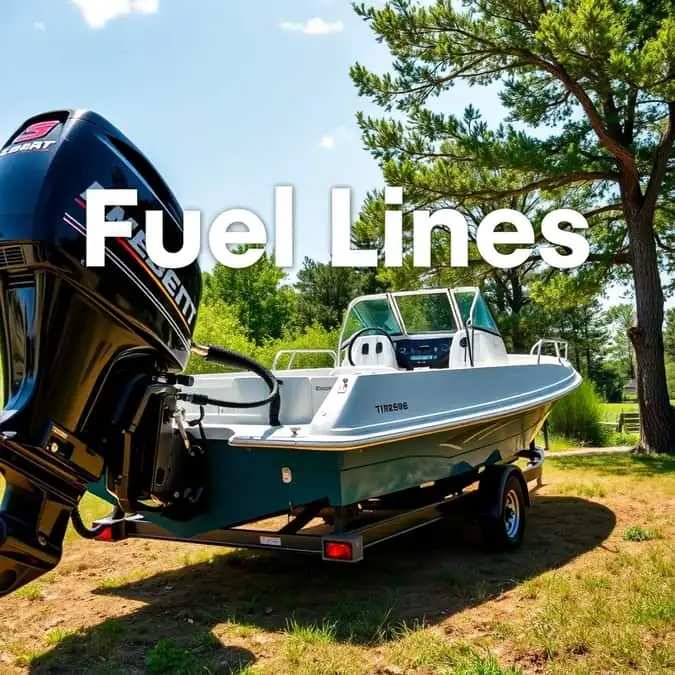
When to Replace Jon Boat Fuel Lines: 5 Easy Steps

Knowing when to replace jon boat fuel lines keeps you safe on the water. Bad lines can leak, cause fire, or stop the engine. This guide shows you the signs to watch and the simple steps to follow. You will learn what to look for, what tools you need, and how to swap the lines fast. Estimated time: 30 minutes. Difficulty: Easy. Primary objective: Spot wear and replace lines before they fail.
Before You Start: Tools, Gear & Preparation
Gather these items before you begin. Work on a dry, flat surface. Keep the boat off the water and the engine cool.
| Item / Tool | Purpose | Optional / Required |
|---|---|---|
| Wrench set | Loosen fittings | Required |
| Screwdriver | Remove clamps | Required |
| Fuel line tubing (correct size) | Replace old line | Required |
| Marine‑grade clamps | Secure new line | Required |
| Clean rags | Wipe spills | Optional |
| Safety glasses | Protect eyes | Required |
| Gloves | Keep hands clean | Optional |
Make sure the fuel tank is empty or nearly empty. Close the fuel valve if your boat has one. Disconnect the battery to avoid sparks.
Work in a well‑ventilated area. Keep a fire extinguisher nearby. Never smoke while handling fuel.
Step 1: Check for Wear
Look at the fuel line along its whole length. Run your fingers gently over the surface. Feel for any soft spots or sticky areas.
If the line feels mushy, it may be breaking down inside. Soft spots often mean the inner layer is damaged.
Captain’s Note: A quick pinch test works best. Pinch the line between thumb and forefinger. If it gives way easily, plan to replace it.
Step 2: Look for Cracks
Inspect the line under good light. Use a flashlight if needed. Look for tiny cracks, splits, or abrasions.
Pay special attention to bends and where the line clamps to fittings. Stress points crack first.
If you see any crack, no matter how small, replace the line. A small crack can grow fast under pressure.
Step 3: Smell for Fuel
Sniff around the line and fittings. A strong fuel smell means a leak, even if you do not see a drip.
Leaks often start as a slow seep that you can smell before you see it.
Captain’s Note: Trust your nose. If you smell fuel, shut off the valve and check the line right away.
Step 4: Test Flow
Reconnect the battery and turn the key to “on” (do not start the engine). Listen for the fuel pump hum.
Check the line for any bulge while the pump runs. A bulge can mean a blockage or a weak spot.
If the flow feels weak or you hear sputtering, the line may be clogged or collapsed.
Step 5: Replace if Needed
If any of the checks show wear, cracks, smell, or poor flow, replace the line.
First, place a rag under the fitting to catch drips. Loosen the clamps with a screwdriver. Slide the old line off.
Cut the new line to the same length. Push it onto the fittings. Tighten the clamps snug but do not over‑tighten.
Wipe away any fuel. Reconnect the battery. Turn the key on and check for leaks before launching.
Common Mistakes & Troubleshooting
Problem: Missing a small crack.
Cause: Looking only at the top of the line.
Fix: Rotate the line and view it from all angles. Use a mirror if needed.
Problem: Over‑tightening clamps.
Cause: Thinking tighter is better.
Fix: Tighten until the line does not slip. A quarter turn past hand tight is enough.
Problem: Forgetting to relieve fuel pressure.
Cause: Starting work with the valve open.
Fix: Always close the fuel valve and run the engine until it stalls to bleed pressure.
Problem: Using the wrong size tubing.
Cause: Guessing the diameter.
Fix: Measure the old line or check the boat manual before buying new line.
Frequently Asked Questions About When to Replace Jon Boat Fuel Lines
How often should I check my fuel lines? Check them at least once a season or every 25 hours of use. Look more often if you boat in salty water.
Can I repair a cracked line instead of replacing it? No. Fuel lines are under pressure. A repair will not hold safely. Always replace the whole section.
What type of fuel line should I buy? Use marine‑grade, ethanol‑resistant tubing that matches your boat’s specifications. Ask the dealer for the correct inner diameter.
Is it normal to see a little fuel residue on the line? A light film can be normal from evaporation. Wet spots or drips are not normal and need inspection.
Should I replace both the feed and return lines at the same time? If one shows wear, check the other. Replace both if they are the same age and have seen the same use.
Final Thoughts
You now know the clear signs that tell when to replace jon boat fuel lines. Follow the five steps, use the right tools, and keep safety first. A fresh fuel line means a smooth ride and peace of mind on the water.
Get out there, check your lines, and enjoy the day without worry.