
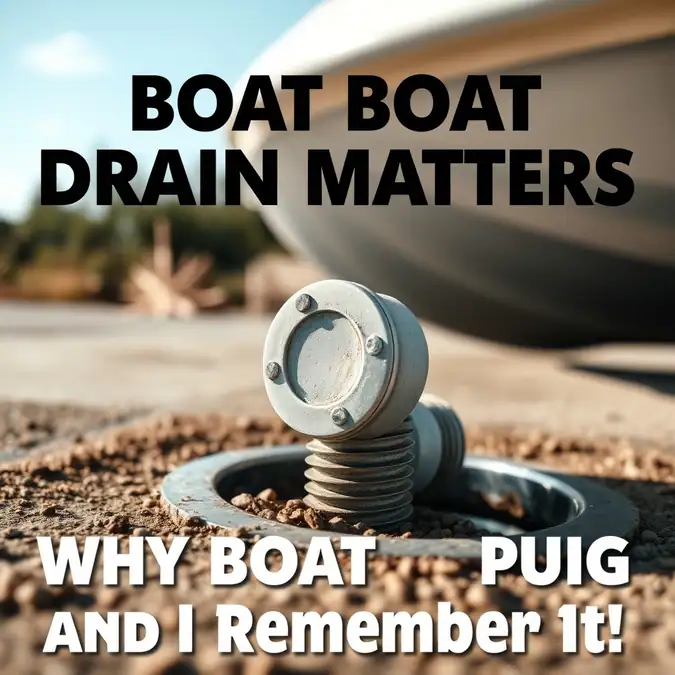
Why Boat Drain Plug Matters and How to Remember It: A Step-by-Step Guide

Forget the drain plug and your boat can fill with water fast. This guide shows you why the plug matters and how to remember it every time. You will learn the exact steps to check, install, and remove the plug. We cover the tools you need, the risks of missing it, and simple memory tricks that work on the ramp. Estimated time: 10 minutes. Difficulty: Easy. Primary goal: Keep your boat dry and safe.
Before You Start: Tools, Gear & Preparation
Get these items ready before you head to the ramp. A flat, dry spot helps you see the plug hole clear. Make sure the boat is on the trailer and tied down. Turn off the engine. Remove the key. Wear shoes with grip.
| Item / Tool | Purpose | Optional / Required |
|---|---|---|
| Drain plug (correct size) | Seals the hull drain hole | Required |
| Adjustable wrench or pliers | Tightens or loosens the plug | Required |
| Flashlight | Checks the hole for debris | Optional |
| Clean rag | Wipes the plug and threads | Optional |
| Spare plug | Backup if the first is lost or damaged | Optional |
| Checklist card or phone reminder | Helps you remember the plug step | Optional |
Safety check: Make sure the boat is stable on the trailer. Do not work near moving traffic. Keep kids and pets clear. If the ramp is wet, watch your footing.
Step 1: Find the Drain Hole
Walk to the back of the boat. Look at the lowest point of the transom. You will see a round hole with threads inside. That is the drain hole. Shine a light in it. Check for sand, weeds, or old sealant. Clean it out with a rag if needed. A clean hole lets the plug seal tight.
Captain’s Note: Some boats have two holes. One is for the bilge pump. The other is the main drain. Know which is which. The main drain is usually the lowest one.
Step 2: Inspect the Plug
Take the plug in your hand. Look at the rubber washer or O-ring. It must be soft and whole. Cracks or hard spots mean leaks. Check the threads on the plug body. They should be clean and not stripped. If the plug looks bad, swap in your spare. A bad plug will not hold water out.
Notice any rust around the seal? That can stop a good seal. Wipe the plug clean. A clean plug seats better.
Step 3: Install the Plug Before Launch
Thread the plug into the hole by hand. Turn it clockwise. Do not force it. If it binds, back it out and start again. Once it is hand-tight, use the wrench. Give it a firm quarter turn. Do not overtighten. You want the washer to compress, not crush. The plug should sit flush with the hull.
Here is a trick most boaters don’t learn until their second season: Tap the plug head gently with the wrench handle. A solid thunk means it is seated. A hollow sound means try again.
Step 4: Verify the Seal
Pour a cup of water around the plug base. Watch for drips. If you see a leak, tighten a bit more. If it still leaks, remove the plug. Check the washer again. Replace the washer or the whole plug if needed. A dry test now saves a wet boat later.
Ready to back your trailer down the ramp without stalling the line? Double-check the plug one last time before the boat hits the water.
Step 5: Remove the Plug After Loading
Pull the boat out. Park on level ground. Chock the trailer wheels. Wait for the hull to drain. Then remove the plug. Turn it counter-clockwise with the wrench. Let the last water run out. Wipe the plug clean. Store it in a zip bag in your gear box. Do not leave it in the hole. It can corrode or get lost.
Trail Hack: Clip the plug to your trailer winch handle with a carabiner. You will see it every time you crank the boat up.
Step 6: Build a Memory System
Memory fails when you rush. Build a habit that works without thought. Pick one method and use it every trip.
- Checklist card: Laminate a small card. List: Plug in. Straps on. Lights work. Motor up. Clip it to your steering wheel.
- Phone alarm: Set a recurring reminder named “Plug Check” for your usual launch time.
- Visual cue: Tie a bright zip tie on the plug handle. Loop it over the trailer winch. You cannot miss it.
- Buddy system: Assign the plug to your fishing partner. They check it. You check the straps.
Which method fits your style? Try one this weekend. Stick with it for five trips. It will become automatic.
Common Mistakes & Troubleshooting
| Problem | Cause | Quick Fix |
|---|---|---|
| Water in bilge after launch | Plug missing or loose | Stop engine. Install plug. Tighten. Bail water. |
| Plug spins but won’t tighten | Stripped threads or wrong size | Use spare plug. Check hole threads. Repair if needed. |
| Plug stuck, won’t come out | Corrosion or overtightened | Penetrating oil. Wait 10 min. Use strap wrench. |
| Leak around plug base | Bad washer or debris | Remove plug. Clean hole. Replace washer. |
| Forgot plug at home | No spare, no checklist | Buy at marina store. Use wooden dowel as temp fix. |
If you find water rising fast, do not panic. Kill the engine. Put the plug in. Use a manual pump or bucket. Get to shore. Find the leak source later.
Frequently Asked Questions About Why Boat Drain Plug Matters and How to Remember It
How often should I replace the drain plug washer?
Check it every season. Replace it if it looks hard, cracked, or flat. A new washer costs pennies and prevents big leaks.
Can I use a universal plug instead of the factory one?
Yes, if the thread size and diameter match. Measure your hole. Buy a plug with the same specs. Test the seal before you trust it.
What if my boat has a garboard drain with a bronze plug?
Same steps apply. Use a brass wrench to avoid galling. Grease the threads lightly each season. Bronze plugs last decades with care.
Is it okay to leave the plug out during storage?
Yes. Leave it out so rain and wash water drain. Cover the hole with mesh to keep bugs out. Put the plug in your gear bag.
Why do some boats have two drain holes?
One is the main drain. The other is often for a bilge pump pickup or a second hull compartment. Plug the main one. Leave the pump hole open.
Final Thoughts
The drain plug is a small part with a huge job. It keeps your boat afloat. A missed plug can sink a day on the water fast. You now know why it matters, how to install it right, and how to remember it every time. Pick your memory trick. Use your checklist. Check the seal. Then launch with confidence. The water is waiting. Go have a great trip.