
What Is a Pontoon Boat? A Beginner’s Guide
Seeing a wide, stable vessel with two large tubes beneath its deck can spark a question: what is a pontoon boat? This article answers that and explains why pontoon boats have become popular for cruising, fishing, and entertaining on the water.
What Is a Pontoon Boat?
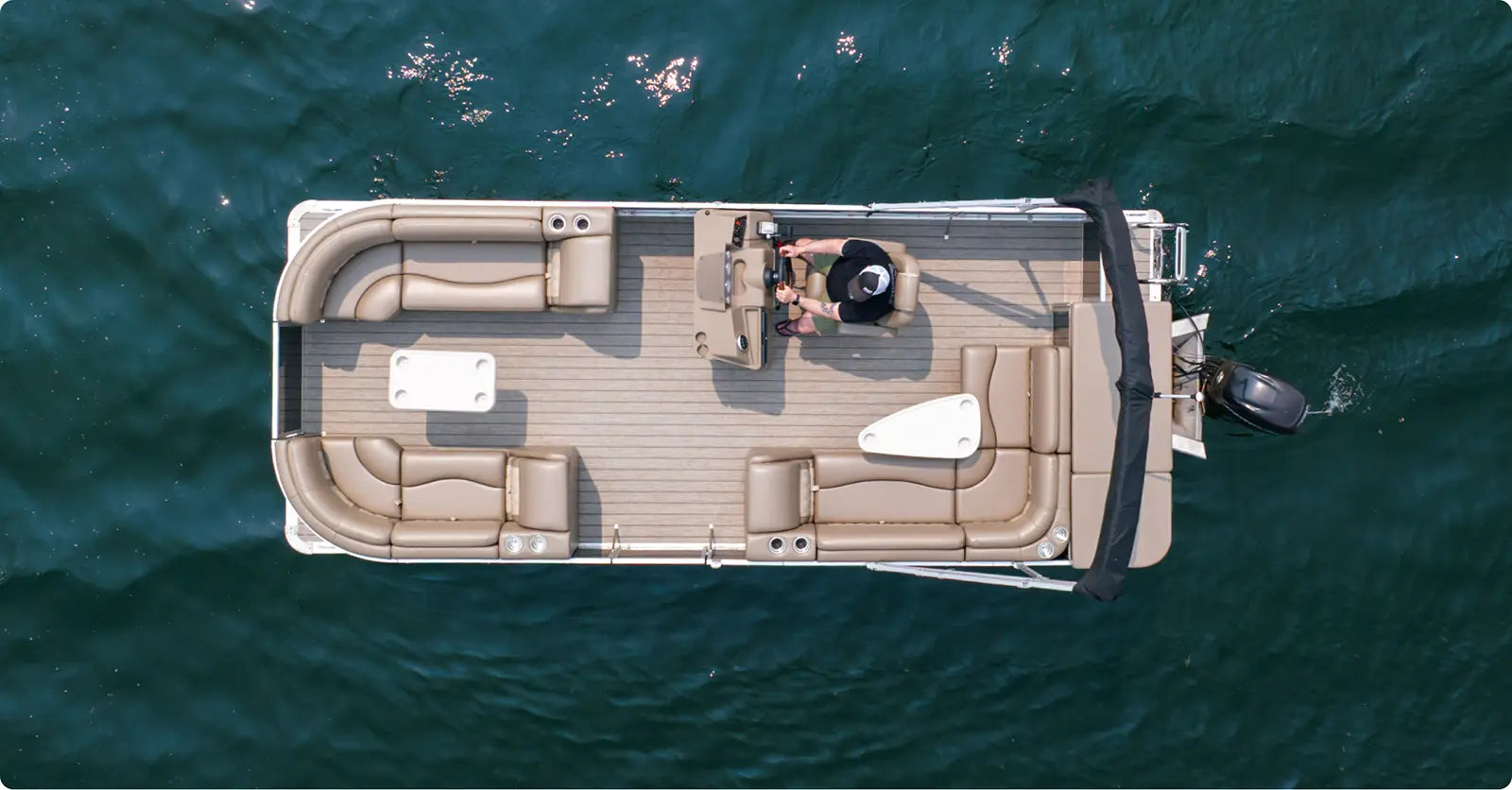
A pontoon boat is a flat‑deck powerboat that rides on two or more hollow aluminum tubes called pontoons. These tubes provide buoyancy, letting the boat stay level even when loaded with people or gear.
The term “pontoon” comes from the French word for a floating bridge. Modern pontoons are made of marine‑grade aluminum or composite materials. The hull shape is simple: a long, cylindrical tube sealed at each end.
Inside each pontoon is a series of bulkheads that create separate compartments. This design adds reserve buoyancy and helps the boat stay afloat if one tube is damaged.
How Does a Pontoon Boat Stay Afloat?
The physics are straightforward. Pontoons displace water equal to their weight, creating upward buoyant force. The wide tube shape distributes that force evenly, giving a stable, level ride.
Manufacturers use marine‑grade aluminum because it resists corrosion and is easy to repair. Some newer models use anodized aluminum or fiberglass‑reinforced plastic for a lighter weight.
Each pontoon holds ballast and fuel tanks. Proper weight distribution keeps the bow and stern level, preventing squatting or listing.
What Are the Main Parts of a Pontoon Boat?
The deck is the flat, open platform where passengers sit, eat, or fish. It includes seating, storage compartments, and often a small galley with a cooler.
Above the pontoons sits the superstructure: railings, bimini tops, and optional canopies. The engine is usually a gasoline or diesel outboard motor mounted on a transom.
Power options range from 100‑HP entry models to 400‑HP performance units. Transmission types include standard stern‑drive or direct‑drive configurations.
What Is a Pontoon Boat Used For?
Because of its stability and spacious deck, a pontoon boat is ideal for relaxed cruising. Families use them for lake trips, while anglers appreciate the flat deck for casting.
Entertainment is another common use. Many owners install speakers, lighting, and even a grill station for parties.
Water sports like tubing, skiing, and wakeboarding can be done from larger models. Fishing pontoons often feature specialized rods holders and live wells.
What Makes a Pontoon Boat Different From a Regular Boat?
Unlike a traditional V‑hull that cuts through waves, a pontoon’s flat bottom creates a smoother ride in calm water. The wide stance reduces the chance of capsizing.
Regular boats often have a deeper draft, meaning they sit lower in the water. Pontoons have a shallow draft, allowing access to shallow lakes and rivers.
Deck layout differs as well. Pontoons provide open, flexible space that can be reconfigured, while many conventional boats have fixed compartments.
What Are the Advantages and Disadvantages?
Stability is the biggest advantage. Passengers can walk around without feeling the boat tilt. The shallow draft lets you explore waters other boats cannot reach.
Space is generous. You can seat many people, store gear, and add accessories like a swim platform or a small kitchen.
Fuel efficiency can be lower because the large tubes create drag. Maintenance includes inspecting pontoon seals and cleaning algae from tubes.
Downsides also include limited speed compared to a high‑performance runabout. The flat deck offers less protection from waves, making it less suitable for offshore conditions.
How to Choose the Right Pontoon Boat?
Determine your primary use. If you plan to fish, look for a model with rod holders and a live well. For parties, consider a larger deck with a built‑in grill area.
Engine power should match your weight and intended activities. A 150‑HP engine is sufficient for most recreational uses.
Check the construction material. Aluminum offers durability, while composite may be lighter but costs more.
Consider optional features such as a bimini top, underwater lights, and a sound system. These add comfort but also increase price.
Common Mistakes New Owners Make
Overloading the deck is a frequent error. Weight limits are not just suggestions; exceeding them reduces stability and can cause the pontoons to sit too low.
Neglecting pontoon cleaning leads to algae buildup, which can damage the tube coating. Rinse the tubes after each use and store the boat in a dry dock when possible.
Failing to inspect seals can let water enter the pontoon, reducing buoyancy. Check for cracks or worn gaskets each season.
Some owners skip regular engine maintenance, assuming the outboard is self‑sufficient. Change oil and spark plugs as the manufacturer recommends.
Practical Takeaways
- Know the weight limit and distribute passengers and gear evenly.
- Rinse and inspect pontoons after every outing.
- Check seals, engine oil, and fuel systems before each trip.
- Choose a model that matches your primary activity and budget.
- Consider optional features that improve comfort and safety.
Frequently Asked Questions
Do pontoon boats have toilets?
Most standard pontoon models do not include a restroom. Larger, luxury pontoons may offer a portable toilet compartment, but it’s an optional add‑on.
What is the point of a pontoon boat?
The purpose is simple: provide a stable, spacious platform for leisure activities on calm water. It excels at cruising, fishing, and entertaining.
What are the disadvantages of a pontoon boat?
Disadvantages include lower speed, higher fuel consumption for long distances, limited protection from waves, and higher maintenance for the tubes.
What is the difference between a boat and a pontoon?
A boat is a broad term for any water vessel. A pontoon is a specific type of flat‑deck powerboat that uses pontoons for buoyancy.
What is a pontoon boat worth?
Value depends on size, age, engine power, and condition. New 30‑foot models typically range from $50,000 to $100,000.
Final Thoughts
Understanding what is a pontoon boat helps you decide if it fits your outdoor lifestyle. Its stability, space, and shallow draft make it a versatile choice for lake days, family gatherings, and casual fishing trips.