
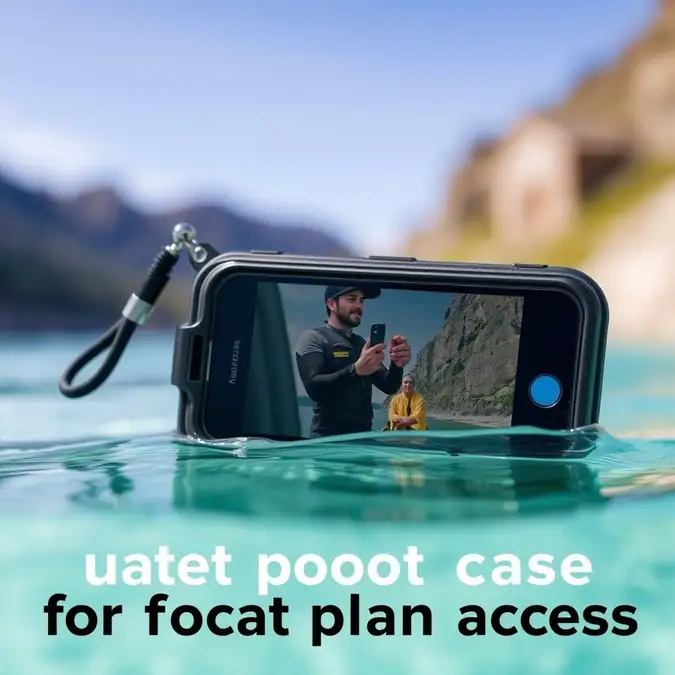
Waterproof Phone Case for Float Plan Access: What You Need to Know

Do you worry about your phone getting wet while you check your float plan? A waterproof phone case for float plan access can keep your screen dry and your plan visible. This guide shows you why the case matters, what types exist, which features count, and how to care for it. You will learn simple steps to test the seal before you leave the dock. Let’s get started.
Why a Waterproof Phone Case Matters for Float Plans
Have you ever dropped a phone in the bilge? Water can ruin a phone in seconds. A float plan tells others where you go and when you return. You need to read that plan on your phone while you are on the water. A waterproof phone case for float plan access lets you do that without fear. It protects the phone from splashes, rain, and brief submersion. It also keeps the screen clear so you can tap the map or call for help. Safety improves when your communication tool stays alive.
Types of Waterproof Phone Cases
Which style fits your boat and your hands? Three common types cover most needs. Each has pros and cons. The table below gives a quick view.
| Type | Best For | Typical Depth Rating | Ease of Use |
|---|---|---|---|
| Hard Shell | Rough water, frequent drops | Up to 10 ft | Buttons may feel stiff |
| Soft Pouch | Light kayaks, calm lakes | Up to 3 ft | Touch works through film |
| Dry Bag Sleeve | Gear bags, extra storage | Up to 6 ft | Slide in, seal tight |
Hard Shell Cases
Hard shell cases use a rigid frame and a snap‑on lid. They survive hard hits. They often meet IP68 standards. You can press buttons through the cover. They are a bit bulkier.
Soft Pouch Cases
Soft pouches are thin plastic with a roll‑top seal. They float if you drop them. Touch screens work through the clear window. They are light and cheap.
Dry Bag Sleeves
Dry bag sleeves look like small stuff sacks. You slide the phone in, roll the top, and clip it. They add extra room for a charger or ID. They are good for long trips.
Key Features to Look For
What should you check before you buy? Focus on these points.
- IP rating – IP68 or higher means dust tight and water resistant beyond 1 meter.
- Screen clarity – Clear window must not blur the map.
- Touch sensitivity – You need to swipe and pinch without lifting the case.
- Float ability – Some cases have air pockets that keep the phone on the surface.
- Attachment points – Loops or clips let you secure the case to a lanyard or rail.
IP Rating Explained
IP stands for Ingress Protection. The first digit rates dust. The second rates water. IP68 means total dust block and water protection deeper than 1 meter for 30 minutes. Look for that mark on the package.
Float Test
Does the case float? Put it in a bucket of water. If it sinks, add a small foam strip inside. A floating case is easier to recover.
How to Test Your Case Before You Go
Ever wonder if the seal really holds? Do a quick test at home.
- Place a dry paper towel inside the case.
- Seal the case exactly as you would on the water.
- Submerge the case in a sink for 5 minutes.
- Open and check the towel. Dry means the seal works.
If the towel is wet, reseat the gasket or replace the case. Test each time you pack for a trip.
Care and Maintenance Tips
Want your case to last season after season? Follow these easy steps.
- Rinse with fresh water after every saltwater use.
- Dry the seal with a soft cloth.
- Inspect the gasket for cracks or sand.
- Store the case open to avoid permanent compression.
- Replace the case if the clear window scratches badly.
Simple care keeps the waterproof phone case for float plan access ready for every launch.
Frequently Asked Questions About Waterproof Phone Case for Float Plan Access
What is the best waterproof phone case for float plan access?
The best case depends on your boat type and budget. Hard shells suit rough water. Soft pouches work for calm lakes. Choose IP68 or higher.
How much does a waterproof phone case for float plan access cost?
Prices range from $15 for basic pouches to $80 for premium hard shells. Mid‑range options around $30‑$45 give good protection.
What should I look for when buying a waterproof phone case for float plan access?
Check IP rating, screen clarity, touch response, float ability, and attachment loops. Test the seal before you trust it.
Can I use my phone’s touchscreen through a waterproof case?
Yes, most modern cases use a thin clear film that passes taps and swipes. Test sensitivity before you leave shore.
How do I clean a waterproof phone case after saltwater exposure?
Rinse with fresh water, wipe the seal dry, and let it air dry open. Avoid harsh chemicals.
Final Thoughts
A reliable waterproof phone case for float plan access keeps your safety plan in view and your phone alive. Pick the right type, verify the seal, and maintain it well. Now you can focus on the water, not the worry.
Get out there, stay dry, and enjoy every trip.
1 thought on “waterproof phone case for float plan access: 7 Tips”