
Types of Boat Hull Materials: A Guide to Choosing the Right One

Ever wondered why some boats last decades while others fall apart after a few seasons? The answer often lies in the types of boat hull materials used to build them.
Whether you’re buying your first boat or upgrading to something sturdier, knowing your options can save you time, money, and headaches down the road. Let’s break down the most common hull materials so you can make a smart choice for your next adventure.
Why Hull Material Matters
Your boat’s hull takes the full brunt of waves, weather, and wear. It keeps water out and you safe. The material affects how your boat handles, how much it costs to maintain, and how long it lasts.
Think about it: Would you rather spend more upfront on a hull that fights corrosion and holds its value, or save now and deal with constant repairs later? For most boaters, the answer is clear.
Common Types of Boat Hull Materials
Boat hulls come in several materials, each with pros and cons. Here’s what you’ll find most often on the water:
Fiberglass (GRP)
Fiberglass is the most popular choice. It’s made from plastic reinforced with glass fibers. Builders mold it into smooth, strong shapes.
Pros: Lightweight, affordable, and easy to repair. Fiberglass doesn’t rust and resists rot.
Cons: It can crack under heavy impact. Gelcoat finishes need periodic care to prevent fading and blistering.
Aluminum
Aluminum hulls are tough and light. They’re often used on fishing boats and patrol vessels because they handle rough water well.
Pros: Strong, rust-resistant, and great for shallow waters. Aluminum hulls last a long time with little maintenance.
Cons: More expensive than fiberglass. Welding repairs require special skills and tools.
Steel
Steel hulls are built like tanks. They’re heavy but extremely durable, perfect for large boats or commercial use.
Pros: Nearly indestructible. Handles ice and big waves without flinching. Steel can be welded almost anywhere.
Cons: Very heavy, which slows the boat down and burns more fuel. Steel rusts if not properly treated and maintained.
Carbon Fiber
Carbon fiber is the high-performance choice. It’s stronger than steel but lighter than aluminum. Racers and luxury yachts love it.
Pros: Super strong and ultra-light. Boosts speed and fuel efficiency. Doesn’t corrode.
Cons: Extremely expensive. Repairs are tricky and costly. Impact damage isn’t always visible.
Wood
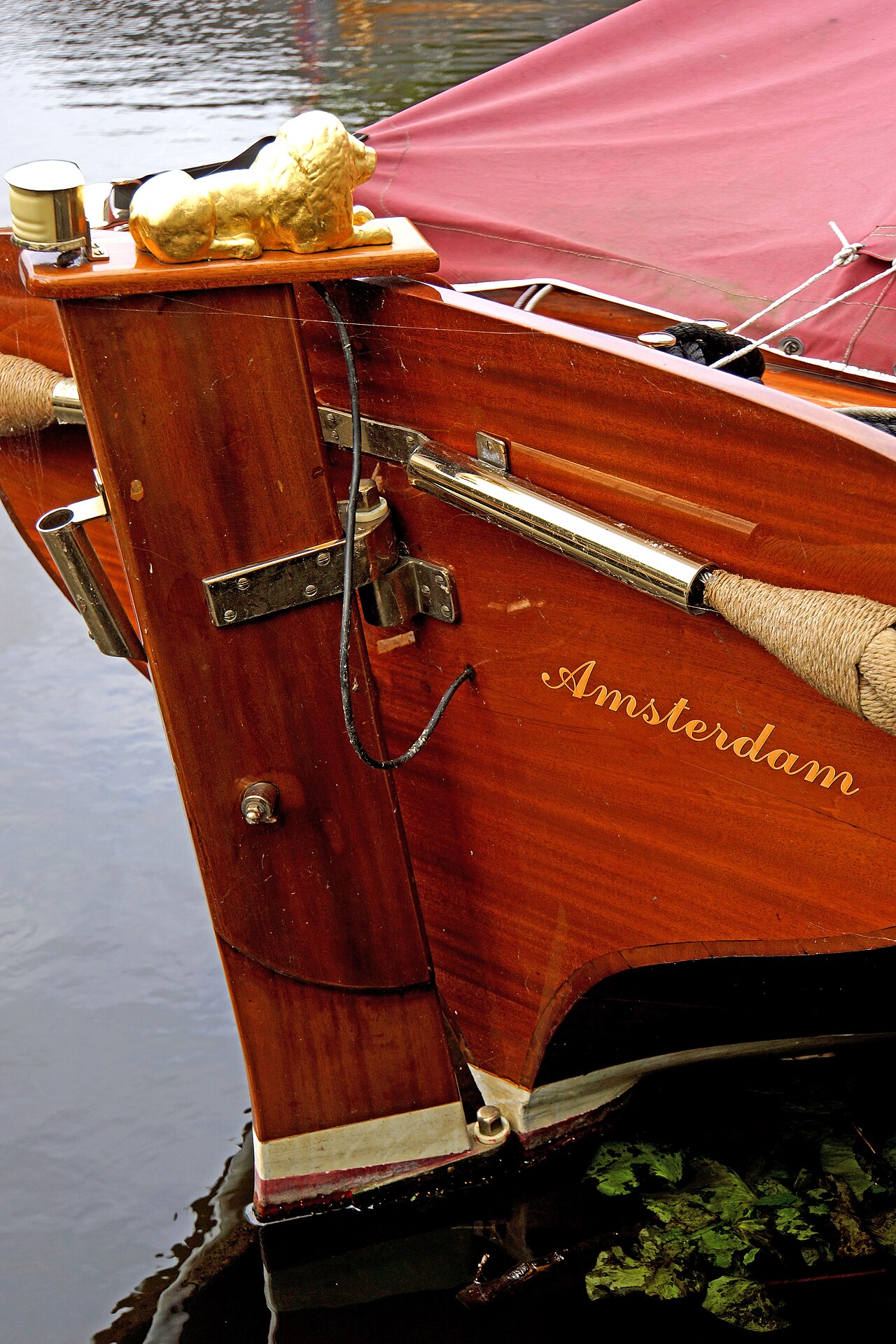
Wooden hulls are classic and beautiful, but they’re rare today. They require serious upkeep to stay seaworthy.
Pros: Gorgeous looks. Wood dampens vibration and noise. Easy to modify and repair with basic tools.
Cons: High maintenance. Wood rots, swells, and attracts pests. Insurance and survey costs are usually higher.
Comparing Hull Materials Side by Side
Not sure which material fits your needs? This table breaks down the key factors:
| Material | Cost | Durability | Maintenance | Performance |
|---|---|---|---|---|
| Fiberglass | Low-Medium | Good | Medium | Good |
| Aluminum | Medium-High | Excellent | Low | Very Good |
| Steel | High | Excellent | High | Fair |
| Carbon Fiber | Very High | Excellent | Low | Excellent |
| Wood | Medium | Fair | Very High | Fair |
How to Choose the Right Hull Material
Picking your hull material depends on how you plan to use your boat. Ask yourself a few key questions:
- What’s your budget? Fiberglass wins for affordability. Carbon fiber? Not unless money’s no object.
- Where will you boat? Saltwater demands corrosion resistance. Aluminum and fiberglass handle salt best.
- How rough is the water? Steel and aluminum shrug off waves. Light materials may struggle.
- Do you DIY? Wood and fiberglass are easier to fix at home. Others need pro help.
Still stuck? Talk to other boaters. Visit marinas. Sit in boats. Feel the difference. Your gut often knows before your brain catches up.
Maintenance Tips by Material
No hull lasts forever without care. But some need more TLC than others.
Fiberglass Care
Wash with fresh water after each trip. Check gelcoat for chips. Fix small cracks fast before water sneaks in.
Aluminum Upkeep
Rinse after saltwater use. Watch for pitting around fittings. Anodes protect metal from corrosion—replace them yearly.
Steel & Wood Warnings
Steel needs anti-rust coatings and regular inspections. Wood must be sealed and checked for rot. Both demand vigilance.
Frequently Asked Questions About Boat Hull Materials
What Is the Best Type of Boat Hull Material?
That depends on your needs. For most recreational boaters, fiberglass offers the best mix of cost and performance. For serious offshore work, aluminum wins. Luxury racers often choose carbon fiber.
How Much Does Boat Hull Repair Cost?
Small fiberglass cracks might cost $100 to $300. Major repairs can hit $1,000 or more. Aluminum welding ranges from $200 to $1,500. Always get quotes from certified shops.
What Should I Look for When Buying a Boat Hull?
Check the hull for cracks, blisters, or soft spots. Review maintenance records. Verify the builder’s reputation. A pre-purchase survey helps catch hidden issues.
Are Carbon Fiber Hulls Worth the Investment?
Only if you race or own a high-end yacht. For weekend boaters, the performance gain rarely justifies the price. Fiberglass delivers 90% of the benefit for a fraction of the cost.
Can I Repair My Hull Myself?
Yes, if you’re handy and working with fiberglass or wood. But aluminum and steel need professional welding. Carbon fiber repairs are complex and risky—leave those to experts.
Final Thoughts
Choosing types of boat hull materials comes down to balancing cost, use, and upkeep. Fiberglass suits most folks. Aluminum handles tough conditions. Steel and carbon fiber serve niche needs. Wood? Pure passion project.
Whatever you pick, treat your hull right. Regular cleaning, timely repairs, and honest inspections keep you safe on the water. Now go find your perfect ride and hit the waves!