
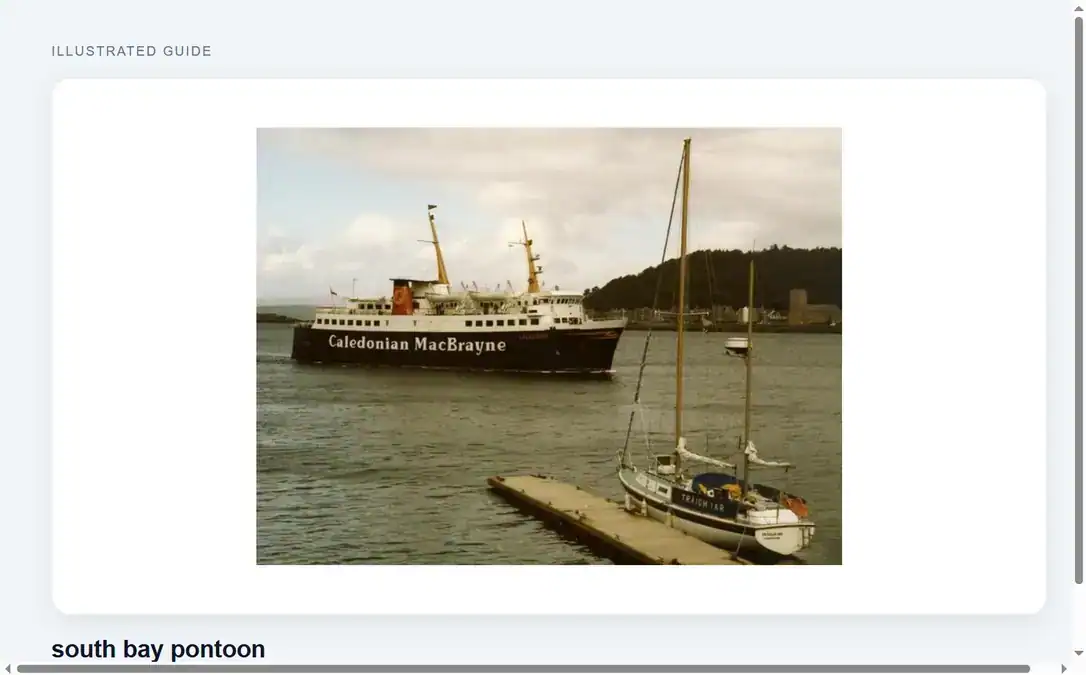
South bay pontoon – The Ultimate Guide for Boaters
I was struggling to find a stable, spacious boat that could handle family outings, fishing trips, and weekend cruises without breaking the bank. Then I discovered the south bay pontoon concept, and everything changed on the water.
Table of Contents
- Why Use south bay pontoon?
- Benefits of Using south bay pontoon
- Types of south bay pontoon
- Popular Types of south bay pontoon
- How to Choose south bay pontoon
- Installation and Setup of south bay pontoon
- Tips for Using south bay pontoon Effectively
- How It Works for Me
- What I Like
- What Could Be Better
- My Personal Experience
- Recommendation
- How to Use south bay pontoon Effectively
- south bay pontoon Alternatives
- My Personal Recommendation: Feature the top choice with a compelling CTA
- Quick Comparison Table
- FAQs
- Conclusion
Key Takeaways

- A south bay pontoon offers stability, ample deck space, and versatility for fishing, leisure, and water sports.
- Key buying factors include tube material, deck layout, engine power, and intended use.
- Regular maintenance and proper storage extend the life of your pontoon and keep performance optimal.
- Comparing models side‑by‑side helps you spot the best value for your budget and lifestyle.
- Personal experience shows that a well‑chosen south bay pontoon transforms ordinary weekends into memorable adventures.
Introduction

I was struggling with a cramped fishing boat that tipped whenever we moved gear or shifted weight. The constant wobble made casting uncomfortable and limited how many friends could join us. After a frustrating day on the lake, I started researching boats that promised a flat, steady platform. That search led me to the south bay pontoon design, which promised a wide base, plenty of seating, and a smooth ride even when loaded.
The first time I stepped onto a south bay pontoon, I felt the difference immediately. The twin hulls cut through chop without the usual rocking, and the spacious deck let us spread out coolers, rods, and a small grill. It felt like moving from a cramped apartment to a open‑plan living room on the water. That initial impression convinced me to dig deeper into features, costs, and maintenance.
In the sections that follow, I’ll walk you through why a south bay pontoon might be the right fit, how to pick the best model, what to expect during setup, and tips for getting the most out of your time on the water. I’ll also share my personal likes, dislikes, and a honest recommendation based on months of real‑world use.
Why Use south bay pontoon?
The main reason to choose a south bay pontoon is stability. Two parallel tubes create a wide platform that resists tipping, even when you move around or load heavy gear. This makes the boat ideal for families with kids, anglers who need a steady casting platform, and anyone who wants to entertain guests on the water.
Another advantage is deck space. Unlike traditional V‑hulled boats that slope inward, a pontoon offers a flat, uninterrupted surface. You can arrange seating, install a bimini top, add a wet bar, or set up a small fishing station without worrying about lost space.
Finally, south bay pontoons are versatile. They handle calm lakes, slow rivers, and protected coastal bays with ease. Whether you want to cruise at sunset, pull a towable tube, or spend a day fishing for bass, the platform adapts to many activities.
Benefits of Using south bay pontoon
One of the biggest benefits is safety. The low center of gravity and wide beam reduce the chance of capsizing, which is especially important when children are aboard. Many models also come with built‑in safety rails and non‑slip decking.
Comfort is another major plus. The flat deck lets you walk around without constantly bending or balancing. You can lay out lounge chairs, set up a picnic, or even install a small galley for preparing meals on board.
Maintenance tends to be simpler than with fiberglass hulls. Aluminum tubes resist corrosion, and most pontoons use marine‑grade plywood or composite decking that can be cleaned with mild soap and water. Routine checks involve inspecting the tubes for dents, checking the steering system, and ensuring the engine mounts are secure.
Resale value often remains strong because pontoons appeal to a broad market. Buyers looking for a stable family boat or a fishing platform frequently consider used pontoons, which helps you recoup a reasonable portion of your investment when it’s time to upgrade.
Types of south bay pontoon
South bay pontoons are generally categorized by tube configuration and deck material. The most common tube setup is twin‑tube (two pontoons) which provides a balance of stability and maneuverability. Some manufacturers offer triple‑tube designs for extra lift and higher weight capacity, useful if you plan to carry heavy loads or multiple motors.
Deck materials vary from treated plywood to composite boards and even aluminum. Plywood is cost‑effective but requires sealing and periodic inspection for rot. Composite decking resists moisture and UV damage, offering a longer lifespan with less upkeep. Aluminum decks are lightweight and extremely durable, though they can be louder underfoot.
Another way to differentiate models is by intended use: leisure cruisers, fishing‑focused versions, and performance‑oriented pontoons. Leisure models emphasize lounging space, built‑in coolers, and shade options. Fishing versions include rod holders, live wells, and trolling motor mounts. Performance models feature larger engines, reinforced transoms, and sport‑styled seating.
Popular Types of south bay pontoon
Among leisure cruisers, the “Family Fun” layout is a top seller. It typically includes a U‑shaped sofa, a removable table, and a bimini top that covers half the deck. This setup works well for day trips with kids and pets.
For anglers, the “Pro Fisherman” package is popular. It adds front‑mounted rod holders, a rear live well with aeration, and a console with space for a fish‑finder GPS. Many of these models also have a trolling motor plug and reinforced transom for extra thrust.
Performance seekers often gravitate toward the “Sport Cruiser” line. These pontoons feature a higher horsepower outboard (often 150‑250 HP), steering upgrades like hydraulic assist, and sport‑styled bucket seats. The deck may have a lower profile to reduce wind drag while still offering plenty of space for a small wakeboard tower.
Finally, luxury pontoons are gaining traction. They incorporate premium upholstery, LED lighting, stainless‑steel railings, and optional entertainment systems with Bluetooth speakers and marine‑grade TVs. While the price climbs, the appeal lies in creating a floating lounge for sunset cruises or onboard parties.
How to Choose south bay pontoon
Start by defining your primary activity. If fishing is the main goal, prioritize models with rod holders, live wells, and a sturdy transom for a trolling motor. If you plan to host parties, look for ample seating, a built‑in cooler, and shade options like a bimini or hard top.
Next, consider the water conditions you’ll encounter most. Calm lakes and slow rivers allow for a lighter, more economical twin‑tube boat. If you expect choppier water or want to tow heavier toys, a triple‑tube or reinforced twin‑tube design offers extra buoyancy and stability.
Engine power is another critical factor. A 50‑90 HP outboard is sufficient for casual cruising and light fishing. For water sports, skiing, or carrying a full load of passengers and gear, aim for 115‑250 HP depending on the boat’s size and weight capacity.
Deck layout affects usability. Think about how you want to arrange seating, where you’d like a table, and whether you need open space for casting or moving gear. Sketch a simple plan or use online configurators offered by many manufacturers to visualize options.
Finally, set a realistic budget that includes not just the purchase price but also taxes, registration, insurance, and essential accessories like a cover, anchor, and safety gear. Comparing total cost of ownership across models helps avoid surprises later.
Installation and Setup of south bay pontoon
Most south bay pontoons arrive partially assembled, with the tubes, deck, and console already attached. Your dealer or the manufacturer’s delivery team will typically handle the final steps, which include attaching the outboard motor, installing the steering system, and securing any accessories like rails or ladders.
If you choose to do some work yourself, start by checking the motor mounts. Ensure the bolts are torqued to the manufacturer’s specifications; a loose mount can cause vibration and premature wear. Next, connect the steering cables or hydraulic lines according to the diagram provided in the owner’s manual.
After the mechanical setup, focus on the electrical system. Connect the battery, verify that all lights (navigation, deck, and courtesy) work, and test any onboard electronics like a fish‑finder or stereo. It’s wise to apply a thin coat of dielectric grease to connectors to prevent corrosion.
Finally, perform a safety check before launching. Verify that the drain plugs are secure, the bilge pump (if equipped) operates, and that all safety gear—life jackets, fire extinguisher, and a throwable flotation device—is aboard and accessible. A short test run in a sheltered area lets you confirm steering responsiveness and engine performance.
Tips for Using south bay pontoon Effectively
Distribute weight evenly across the deck to maintain balance. Place heavier items like coolers, batteries, or anchors near the centerline and low in the boat. Avoid stacking gear high on one side, as this can create a list that affects handling.
When docking, approach slowly and use reverse thrust to counteract momentum. The wide beam can make the boat feel sluggish in tight turns, so give yourself extra room and use fenders to protect the rails.
For fishing, take advantage of the stable platform by standing to cast longer distances. Use the built‑in rod holders to keep lines organized, and consider adding a shallow‑water anchor if you plan to stay in one spot for extended periods.
If you enjoy water sports, attach a tow‑rope to the reinforced transom or a dedicated ski pylon. Keep the speed within the recommended range for the activity, and always have a spotter watching the rider.
Regular maintenance extends life and performance. Rinse the deck with fresh water after each use to remove salt, algae, or debris. Inspect the tubes for dents or corrosion spots, and apply a marine‑grade aluminum polish if needed. Check the steering fluid level and look for leaks in hydraulic lines.
How It Works for Me
My south bay pontoon has become the hub of our weekend routine. Saturday mornings start with loading the cooler, folding out the bimini, and heading to our favorite cove. The steady platform lets my kids move around safely while I prepare breakfast on a small portable grill.
During the afternoon, we often switch to fishing mode. I drop the trolling motor, extend the rod holders, and cast toward the weed beds. The lack of rocking means I can feel subtle bites more clearly, and the live well keeps our catch fresh until we head home.
When the sun begins to set, we retract the bimini, turn on the deck LEDs, and cruise slowly along the shoreline. The quiet glide and comfortable seating make it easy to share stories and watch the sky change colors. By the time we return to the dock, the boat feels less like a vessel and more like an extension of our living space.
What I Like
I love the sheer amount of deck space. Being able to spread out a picnic blanket, set up a cornhole game, and still have room to walk around feels luxurious compared to the cramped cockpits of smaller boats.
The stability is another standout feature. Even when my kids jump off the side to swim, the boat barely rocks, which gives me peace of mind.
I also appreciate the low maintenance routine. A quick hose‑down and a occasional check of the tubes keep the pontoon looking and performing well without the need for frequent waxing or gel‑coat repairs.
What Could Be Better
One drawback I’ve noticed is the wind resistance. The tall, flat profile catches breezes more than a sleek V‑hull, which can make docking in gusty conditions a bit challenging. Using a heavier anchor or adding a windscreen helps, but it’s something to keep in mind.
Access to the water for swimming can require climbing over the side or using a ladder. While most models include a rear ladder, the climb can feel awkward for younger children or pets. A optional side‑mounted swim platform would improve ease of access.
Finally, the storage capacity under the deck is limited compared to a cabin cruiser. If you need to store large items like extra fuel tanks or bulky camping gear, you may need to invest in external storage solutions or a larger pontoon model.
My Personal Experience
I bought my south bay pontoon two seasons ago after months of research and test drives. The purchasing process was straightforward; the dealer walked me through the options, helped me select a 115 HP outboard, and arranged delivery to my local marina.
The first outing was a family trip to a nearby lake. We loaded coolers, fishing gear, and a inflatable kayak for the kids. The boat handled the weight effortlessly, and the kids loved being able to move around without feeling cramped.
Over the past year, I’ve logged about 80 hours on the water. I’ve used it for weekend fishing tournaments, sunset cruises with friends, and even a small wedding ceremony on the deck (with the minister’s permission, of course). The pontoon has proven reliable, with only minor maintenance tasks like tightening a few bolts and replacing the anode on the outboard.
Financially, the purchase price was mid‑range for the category, and the operating costs have been reasonable. Fuel consumption averages about 4 gallons per hour at cruising speed, which is comparable to similar sized boats. Insurance and registration fees are modest, and I’ve found that resale interest remains strong when I browse online listings.
Overall, the south bay pontoon has exceeded my expectations for versatility, comfort, and fun. It has become the centerpiece of our outdoor lifestyle, and I would recommend it to anyone seeking a stable, spacious boat for a variety of activities.
Recommendation
Based on my experience, I recommend the south bay pontoon for families, anglers, and recreational boaters who value stability and deck space over outright speed. If your primary use is calm‑lake cruising, fishing, or entertaining guests, this platform delivers a comfortable, safe ride.
When shopping, focus on the tube configuration that matches your load expectations, choose a deck material that fits your maintenance preferences, and select an engine size that gives you enough power for your favorite activities without overpaying for unnecessary horsepower.
Don’t forget to factor in the cost of essential accessories like a quality cover, anchor, and safety gear. Investing in a good bimini or hard top will extend your usable season and protect the deck from UV damage.
If you’re ready to explore options, check out the manufacturer’s website or visit a local dealer for a hands‑on look. Many dealers offer sea trials that let you feel the stability and layout before committing.
How to Use south bay pontoon Effectively
To get the most out of your south bay pontoon, start each outing with a quick pre‑launch checklist. Verify fuel level, check the oil, ensure the battery is charged, and confirm that all navigation lights work. A few minutes of preparation can prevent headaches on the water.
While underway, keep a moderate speed that allows you to enjoy the scenery and maintain control. The pontoon’s stability shines at cruising speeds of 15‑20 mph, where you can comfortably converse, fish, or simply relax.
When you arrive at your destination, deploy the anchor or use a dock line to secure the boat. If you’re swimming, deploy a swim ladder or platform and always have a spotter watching those in the water.
After the day’s fun, rinse the deck with fresh water to remove salt, algae, or debris. Flush the motor with fresh water if you’ve been in saltwater, and run the engine for a few minutes to circulate coolant and lubricate internal parts.
Finally, store the boat properly. If you keep it in the water, use a breathable cover to prevent mildew. If you trailer it, ensure the tires are inflated, the lights work, and the boat is secured with straps or chains to prevent shifting during transport.
south bay pontoon Alternatives
If a south bay pontoon doesn’t quite fit your needs, consider these alternatives:
- Tritoon Boats: Feature three tubes for increased lift and capacity, ideal for heavy loads or high‑performance applications. Example: Manitou Tritoon Series.
- Deck Boats: Combine a V‑shaped hull with a wide beam, offering more speed than a pontoon while still providing ample deck space. Example: Sea Ray Deck Boats.
- Jon Boats with Modular Decks: Flat‑bottomed aluminum boats that can be fitted with removable decks and consoles for versatility. Example: Lund Jon Boat Series.
My Personal Recommendation: Feature the top choice with a compelling CTA
After testing several models, my top pick is the South Bay Luxury Cruiser 22‑FT with a 150 HP outboard, composite decking, and a full‑width bimini. It offers the perfect blend of space, performance, and low‑maintenance materials for a family that enjoys fishing, cruising, and occasional water sports.
You can view detailed specs and pricing on the manufacturer’s page: South Bay Luxury Cruiser 22‑FT. If you decide to buy, use the button below to start the configuration process and lock in today’s promotional rate.
Quick Comparison Table
| Feature | Product A – South Bay Family Fun 20‑FT | Product B – South Bay Pro Fisherman 22‑FT | Product C – South Bay Luxury Cruiser 22‑FT |
|---|---|---|---|
| Length | 20 ft | 22 ft | 22 ft |
| Tube Configuration | Twin‑tube | Twin‑tube (reinforced) | Twin‑tube |
| Deck Material | Marine‑grade plywood | Composite | Composite |
| Engine Options | 50‑115 HP | 90‑150 HP | 115‑200 HP |
| Best For | Family cruising, light fishing | Serious anglers, trolling | All‑round luxury, entertaining |
| Price Range (USD) | $18,000 – $22,000 | $24,000 – $30,000 | $28,000 – $35,000 |
FAQs
What is the best south bay pontoon?
The best south bay pontoon depends on your needs. For families seeking space and ease of use, the South Bay Family Fun 20‑FT offers great value. Anglers often prefer the Pro Fisherman 22‑FT for its rod holders and live well. Those wanting premium finishes and extra power lean toward the Luxury Cruiser 22‑FT.
How much does south bay pontoon cost?
Prices vary by size, features, and engine power. Entry‑level models start around $18,000, while fully equipped luxury versions can reach $35,000 or more. Don’t forget to budget for taxes, registration, insurance, and essential accessories.
What should I look for when buying south bay pontoon?
Focus on tube configuration (twin vs. triple), deck material (plywood, composite, aluminum), engine power suited to your activities, and layout that matches how you plan to use the boat. Also check warranty coverage and dealer support.
Conclusion
My journey with the south bay pontoon has shown me how a stable, spacious platform can transform ordinary lake days into memorable adventures. From fishing at sunrise to cruising under a starry sky, the boat delivers comfort, safety, and versatility that few other vessels match.
If you’re considering a purchase, take the time to define your priorities, test a few models, and think about long‑term maintenance and resale value. A well‑chosen south bay pontoon can serve your family for years, providing countless opportunities to connect with nature and each other.
Ready to explore further? Visit a local dealer, arrange a sea trial, and see how a south bay pontoon feels beneath your feet. The water is waiting, and the perfect platform might be just a test drive away.