

When it comes to maintaining your aluminum boat, the question of whether or not to paint the bottom is a common concern for boat owners. While there are pros and cons to consider, making an informed decision is crucial for the longevity and performance of your vessel. In this comprehensive article, we’ll delve into the various factors that influence this decision to help you understand the importance and practicality of painting the bottom of your aluminum boat.
What is Bottom Paint?
Bottom paint, also known as antifouling paint, is specifically designed for marine applications, and it is applied to the hull, including the bottom of the boat. The primary purpose of bottom paint is to protect the hull from marine growth such as algae, barnacles, and other aquatic organisms that attach themselves to the boat’s surface over time.
How Does Bottom Paint Work?
Bottom paint contains biocides that help prevent marine organisms from adhering to the hull. These biocides release slowly over time, creating a toxic environment for fouling organisms while being safe for the surrounding water and marine life. By preventing the growth of these organisms, bottom paint reduces drag and increases fuel efficiency, ultimately enhancing your boat’s performance.
Why Aluminum Boats Need Bottom Paint?
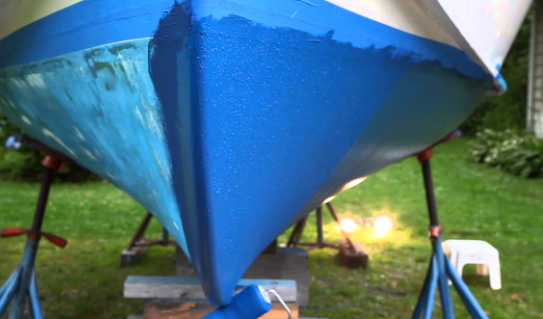
While aluminum is a durable material, it is not entirely immune to the effects of prolonged exposure to water. When left unprotected, aluminum hulls can suffer from galvanic corrosion, which occurs when different metals come into contact with each other in the presence of an electrolyte, such as saltwater. By applying bottom paint, you not only protect the hull from fouling but also create a barrier that can help reduce the risk of galvanic corrosion.
Benefits of Painting the Bottom of Your Aluminum Boat
Here are the key benefits of painting the bottom of your aluminum boat:
Preventing Marine Growth and Fouling
As mentioned earlier, the primary advantage of applying bottom paint to your aluminum boat is preventing marine growth and fouling. Algae, barnacles, and other organisms can quickly accumulate on the hull, negatively affecting the boat’s performance. By using the appropriate bottom paint, you create a protective barrier that inhibits these organisms’ attachment and growth.
Improving Fuel Efficiency
A fouled hull increases drag, making the boat less hydrodynamic and reducing fuel efficiency. By keeping your boat’s hull clean with bottom paint, you can expect better fuel economy, which will save you money in the long run and reduce your environmental impact.
Increasing Longevity of the Hull
Marine growth not only affects the boat’s performance but can also cause damage to the hull over time. Barnacles, for example, can be incredibly difficult to remove and may leave behind scars or pockmarks on the aluminum surface when forcibly scraped off. By applying bottom paint, you protect your boat’s hull and extend its lifespan.
Corrosion Protection
Beyond preventing marine growth, bottom paint provides a protective layer that shields the aluminum hull from direct contact with saltwater. Saltwater can accelerate corrosion on untreated aluminum surfaces, leading to potential damage and costly repairs. With the right bottom paint, you create a barrier that helps guard against this corrosive process.
Types of Bottom Paint for Aluminum Boats
Below are some common types of paint for aluminum boats:
Hard Bottom Paint
Hard bottom paint contains a higher concentration of biocides and is suitable for boats that are frequently used and remain in the water for extended periods. The high biocide content provides long-lasting protection against fouling, but it also means that the paint wears away over time. Therefore, boats with hard bottom paint will require repainting more often, especially if you frequently haul your boat out of the water.
Ablative Bottom Paint
Ablative bottom paint, also known as self-polishing or self-eroding paint, is designed to wear away gradually as the boat moves through the water. As the paint wears, fresh biocides are exposed, providing consistent protection against fouling. Ablative paints are an excellent choice for aluminum boats that are regularly used and offer the advantage of not needing frequent repainting.
Color Options
Bottom paint is available in a variety of colors. While the color choice might seem purely aesthetic, it can impact the effectiveness of the paint. Dark-colored paints tend to absorb more heat from the sun, which can enhance the paint’s ability to deter marine growth. However, in warmer climates, darker colors might lead to a warmer hull and potentially increase the risk of galvanic corrosion. Lighter colors, on the other hand, reflect more sunlight and may keep the hull cooler.
Compatibility with Aluminum
When choosing bottom paint, ensure that it is compatible with aluminum surfaces. Some types of bottom paint are specifically formulated for use on aluminum boats, while others are not suitable. Using an incompatible paint could lead to adhesion issues or even damage the aluminum surface.
How to Properly Paint the Bottom of Your Aluminum Boat
Preparing the Surface
Before applying bottom paint, proper surface preparation is crucial for achieving a durable and effective coating. Start by cleaning the hull thoroughly to remove any dirt, grease, or contaminants. Use a marine-grade cleaner and a scrub brush to ensure a clean surface. If there are any areas of corrosion, sand them down to bare metal and apply a suitable primer to prevent further corrosion.
Choosing the Right Bottom Paint
As mentioned earlier, you can choose between hard and ablative bottom paint. Consider your boat’s usage, how often it stays in the water, and the prevailing environmental conditions to determine which type of paint is best for your aluminum boat.
Application Methods
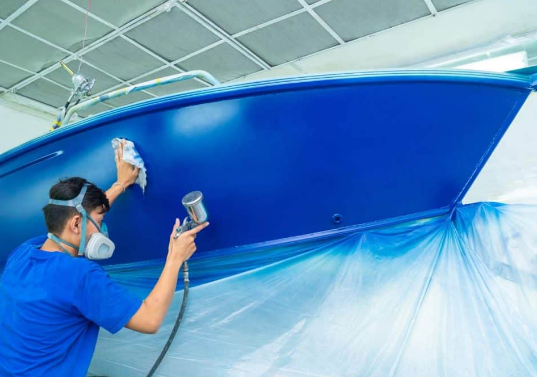
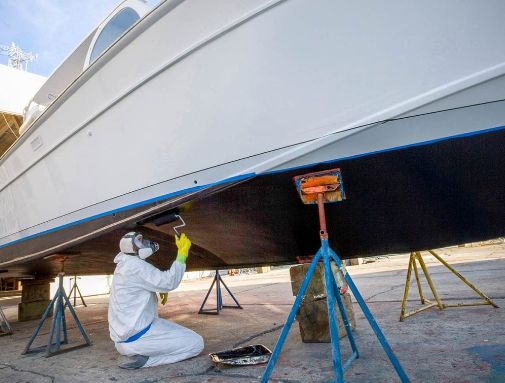
Bottom paint can be applied using various methods, including brush, roller, or spray. Brush and roller application is more suitable for DIY projects, as it allows for better control and coverage. Spray application, while faster, requires specialized equipment and is typically used in professional settings. Whichever method you choose, ensure that you apply the paint evenly and follow the manufacturer’s recommendations for the number of coats needed.
Timing and Environment
Choose a suitable time for painting your boat’s bottom. Avoid painting on windy days or during high humidity, as these conditions can affect the paint’s drying process and result in uneven application. Ideally, pick a dry day with moderate temperatures for the best results.
Maintenance and Inspection
Even with bottom paint, it’s essential to perform regular maintenance and inspections. Inspect the hull regularly to ensure the paint is intact and hasn’t worn away excessively. Touch up any areas that show signs of wear or damage to maintain the protective barrier.
Considerations and Environmental Concerns
Local Regulations
Before applying bottom paint, be aware of any local regulations regarding the use of antifouling paints. Some regions have restrictions on certain types of bottom paint due to environmental concerns. Make sure you comply with these regulations to avoid any potential fines or environmental harm.
Environmental Impact
While bottom paint is essential for protecting your boat’s hull and improving performance, it does contain biocides that can be harmful to marine life. When selecting a bottom paint, look for environmentally friendly options that are formulated to minimize their impact on the aquatic ecosystem. Additionally, be cautious during the application process to prevent any spills or run-offs into the water.
Conclusion
Overall, painting the bottom of your aluminum boat can be a beneficial and practical step to protect your vessel from marine growth, improve fuel efficiency, extend its lifespan, and guard against corrosion. Understanding the purpose and types of bottom paint, proper application techniques, and environmental considerations will help you make an informed decision and ensure your boat remains in excellent condition for years to come.
Take the time to research the best bottom paint for your boat, and enjoy the benefits of a clean and efficient hull on your future boating adventures. Regular maintenance and inspections will further ensure the long-lasting performance of your bottom paint, keeping your aluminum boat sailing smoothly for years to come.