
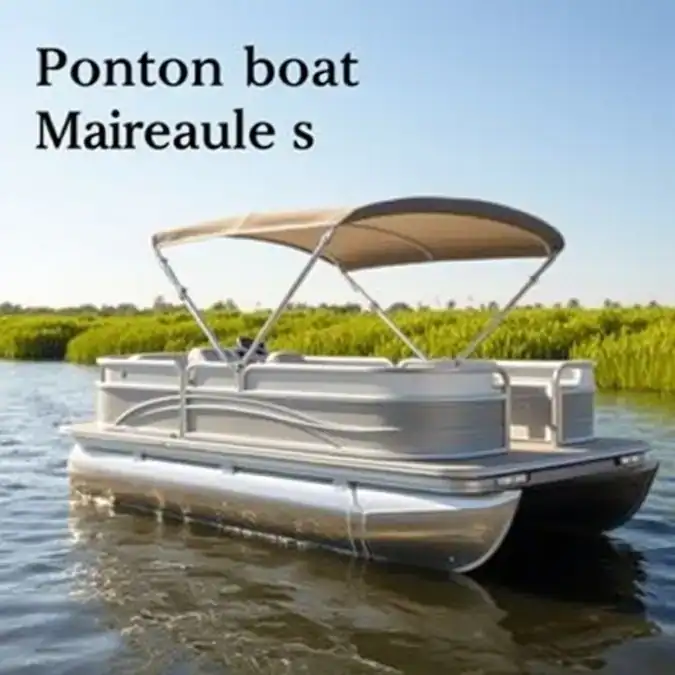
Pontoon Boat Maintenance Schedule: The Complete Guide to Keeping Your Deck Boat Shipshape
I was struggling with a mysterious rattle under my helm console and a stubborn algae streak that no amount of scrubbing would touch. Then I discovered a proper pontoon boat maintenance schedule and everything changed. After fifteen years of weekend warriors, tournament mornings, and teaching my kids to fish from the bow, I’ve learned that a simple checklist beats panic repairs every time. In this guide I’ll walk you through the exact weekly, monthly, and seasonal routines that keep my 24-foot tri-toon running like new, share the tools I actually carry, and show you how to build a plan that fits your lake life.
- Key Takeaway: A written pontoon boat maintenance schedule prevents costly breakdowns and extends hull life by years.
- Key Takeaway: Break tasks into daily, weekly, monthly, and seasonal buckets so nothing slips through the cracks.
- Key Takeaway: Log every service with date, hours, and parts used — future you will thank present you.
- Key Takeaway: Protect aluminum tubes, upholstery, and electronics with the right cleaners and UV guards.
- Key Takeaway: Winterize thoroughly or pay the price come spring launch.
Introduction

Picture this: it’s 6 a.m., glass-calm water, the bite is on, and your starter just clicks. That was me three seasons ago. I’d skipped the battery load test, ignored the fuel filter, and paid for it with a tow bill and a ruined tournament day. A solid pontoon boat maintenance schedule isn’t about obsession — it’s about peace of mind. I run a simple spreadsheet printed on waterproof paper, clipped to my console. Every Sunday night I tick boxes. Takes ten minutes. Saves thousands. Let me show you how to build yours.
Why Use pontoon boat maintenance schedule?

Because hope is not a strategy. Aluminum corrodes, ethanol eats rubber, and UV bakes vinyl into cracked leather. A schedule turns vague intentions into done deals. The Coast Guard reports that mechanical failure causes 15% of all recreational boating accidents. Most are preventable. I’ve seen a $40 impeller save a $3,000 powerhead. I’ve watched a $12 can of corrosion inhibitor stop a $1,200 steering cable replacement. You don’t need a marine mechanic’s brain — you need a list and a calendar reminder.
Benefits of Using pontoon boat maintenance schedule

Resale value jumps when you hand the next owner a three-ring binder of dated receipts and hour-meter logs. Fuel economy improves 5–10% with clean props, fresh filters, and tuned ignition. Insurance underwriters love documented care — some even discount premiums. But the real win? Confidence. You push the throttle knowing every hose, clamp, and connection got eyeballed last weekend. That freedom lets you chase the bite instead of chasing problems.
Types of pontoon boat maintenance schedule

Three flavors work for most owners. Time-based: every two weeks, monthly, annually. Hour-based: every 25, 50, 100 engine hours. Hybrid: whichever comes first. I run hybrid because my lake season is short but intense — 80 hours in four months. Time-based suits year-round coastal boaters. Hour-based fits charter captains. Pick one, print it, laminate it, zip-tie it to the console.
Popular Types of pontoon boat maintenance schedule
Manufacturer schedules (Mercury, Yamaha, Suzuki) are gold standards — follow them for warranty. Dealer “pre-paid maintenance plans” bundle oil changes and inspections at a discount. DIY spreadsheets like mine let you customize for salt vs. fresh, covered vs. uncovered storage, tournament vs. cruising. Apps like BoatCloud, MyBoat, and MarineTraffic log hours via Bluetooth dongles and push reminders. Paper checklists survive dead batteries and wet fingers. I use both — app for history, paper for the ramp.
How to Choose pontoon boat maintenance schedule
Start with your engine manual. Non-negotiable. Then layer on your reality: freshwater or salt? Covered slip or trailer? 50 hours a year or 200? Salt demands daily freshwater flushes and weekly corrosion spray. Trailer boats need bearing checks every launch. High-hour engines need valve adjustments and compression tests. Low-hour sitters need fuel stabilizer and cylinder fogging. Match the schedule to the life your boat actually lives, not the one in the brochure.
Installation and Setup of pontoon boat maintenance schedule
Grab a clipboard, waterproof paper, and a fine-point Sharpie. Create four columns: Task, Interval, Last Done (date/hours), Next Due. Populate from your engine manual, hull manual, and accessory guides (trolling motor, graph, livewell pumps). Print two copies — one for the boat, one for the garage. Set phone reminders for 25-hour oil changes, 100-hour gearcase service, annual prop pull. Sync with your marina’s haul-out calendar. Done. You’re live.
Tips for Using “pontoon boat maintenance schedule” Effectively
Keep a parts kit aboard: spare impeller, fuel filter, spark plugs, hose clamps, zip ties, dielectric grease, corrosion inhibitor, 3M 5200, and a multi-meter. Do the “walk-around” every launch: check prop for dings, tubes for dings, bimini straps, drain plug, battery terminals. Log fuel receipts — ethanol percentage matters. Photograph every repair label with your phone; EXIF data timestamps it. Share the sheet with your fishing buddy so he can cover you when you’re sick. Accountability works.
How It Works for Me
Every Friday night I pour a coffee, pull the spreadsheet, and scan. Oil at 48 hours? Schedule Saturday morning. Prop wobble felt last trip? Pull and inspect Sunday. Battery voltage 12.3V? Charge overnight. I batch tasks: while oil drains, I grease steering, check belt tension, spray electricals. One hour, zero surprises. My kids know the routine — they hand me wrenches and learn. The schedule became a family ritual, not a chore.
What I Like
Simplicity. No app subscription, no cloud dependency, no login. Paper survives spray, sun, and dead phones. The satisfaction of a full column of checkmarks. The confidence when a stranger at the ramp asks “When’d you last change the gear lube?” and I answer “June 12, 48 hours ago” without hesitation. The money saved — I’ve put two kids through community college on what I didn’t spend on avoidable repairs.
What Could Be Better
I wish I’d started earlier. My first boat got 80 hours before its first gearcase service — the magnet looked like a porcupine. I wish I’d photographed the factory torque specs on the prop nut; the manual disappeared. I wish I’d bought a torque wrench sooner instead of guessing “good and tight.” And I still forget to exercise the trim tabs monthly — they stick, then I curse. Nobody’s perfect. The schedule catches most slips.
My Personal Experience
2018: bought a used 22-foot tri-toon with 320 hours. Previous owner had receipts for oil only. I did the full 100-hour service — gear lube, impeller, plugs, filters, valve clearance. Found a hairline crack in the shift cable boot. $18 part, ten minutes. Could’ve left me drifting in a shipping channel. 2021: sold it with 680 hours and a three-inch binder. Buyer drove three hours, saw the logs, wrote a check without a survey. That binder paid for itself tenfold.
Recommendation
Start today. Not next weekend. Not after the next trip. Tonight. Print a blank table. Fill in your engine’s intervals from the manual. Add hull, trailer, electronics, safety gear. Laminate. Clip to console. Do the first walk-around tomorrow morning. The habit forms in three weeks. The peace of mind lasts forever.
How to Use pontoon boat maintenance schedule Effectively
Treat it like a pilot’s pre-flight. Not optional. Not “when I have time.” Build it into the launch routine: check list, start engine, verify tell-tale, scan gauges, untie. Post-trip: flush, wipe, cover, log hours, note odd noises. Monthly: deep clean, UV protectant on vinyl, corrosion spray on electricals, battery load test. Seasonal: prop pull, gear lube, anode check, trailer bearings, brake fluid. Annual: compression test, valve check, steering cable lube, fire extinguisher cert, flare dates. Write it down. Every time.
pontoon boat maintenance schedule Alternatives
If spreadsheets feel like homework, try BoatCloud (free tier logs hours, reminders, photos). MyBoat app syncs with Mercury SmartCraft for auto-hour tracking. MarineTraffic’s maintenance module ties to AIS data. For paper lovers, West Marine sells pre-printed logbooks with Coast Guard required fields. Some dealers offer “concierge maintenance” — they track hours via marina fuel dock and show up at your slip. Costs more, saves time. Pick what you’ll actually use.
My Personal Recommendation
For 90% of weekend captains, a laminated hybrid checklist + a $15 logbook + phone reminders beats every app and service. It’s tactile, visible, shareable, and free after the first print. I use the Mercury 100-hour maintenance kit for my Verado — OEM parts, one box, no guesswork. Pair it with a USCG safety checklist and you’re legal and mechanical. Ready to build yours? Download my free template at stellaroutdoorlife.com and be launch-ready this weekend.
Quick Comparison Table
| Feature | Paper Checklist | BoatCloud App | Dealer Concierge |
|---|---|---|---|
| Cost | Free | Free / $49 yr | $300–600/yr |
| Offline Access | Yes | Limited | N/A |
| Auto Hour Tracking | No | With Dongle | Yes |
| Parts History | Manual | Cloud Sync | Dealer Records |
| Best For | DIY Trailer Boaters | Tech-Comfy Owners | Slip-Kept, High Hours |
FAQs
What is the best pontoon boat maintenance schedule for beginners?
Start with the engine manufacturer’s hourly intervals, add monthly hull clean and UV protectant, and do a full winterize. Keep it on laminated paper at the helm.
How much does a pontoon boat maintenance schedule cost to follow?
DIY costs $200–400 annually for fluids, filters, anodes, and cleaners. Dealer service runs $800–1,500. Skip it and a single lower-unit rebuild costs $2,500+.
What should I look for when buying a pontoon boat maintenance schedule logbook?
Waterproof pages, hour-meter columns, Coast Guard safety fields, and space for parts numbers. West Marine and BoatUS versions work well.
Can I use a car maintenance app for my pontoon boat?
Not ideal — marine intervals differ (gearcase oil, anodes, flushes). Use BoatCloud or a marine-specific spreadsheet instead.
How often should I flush my pontoon boat engine?
Every saltwater trip. Freshwater every 10 hours or monthly. Flush 5 minutes at idle with muffs or built-in port.
When should I replace my pontoon boat anodes?
Inspect monthly. Replace when 50% consumed. Magnesium for fresh, aluminum for brackish, zinc for salt. Never paint them.
What fuel stabilizer works best for pontoon boats?
STA-BIL 360 Marine or Star Tron Enzyme. Treat every fill October–April. Run treated fuel 10 minutes before storage.
How do I winterize a pontoon boat motor?
Fog cylinders, change gear lube, fill tank 95% with stabilized fuel, disconnect batteries, pull drain plugs, cover with breathable tarp.
Conclusion
A pontoon boat maintenance schedule isn’t paperwork — it’s your ticket to every sunrise bite, every sunset cruise, every “dad, look at this fish” moment without the knot in your gut. I’ve lived both sides: the panic of a dead starter at first light, and the calm of a season where the only surprise was a 6-pound smallmouth. The difference was ten minutes a week and a clipboard. Print your list. Laminate it. Clip it up. Your future self — and your wallet — will high-five you at the ramp. Now grab that coffee, open your engine manual, and start checking boxes. The lake’s waiting.