
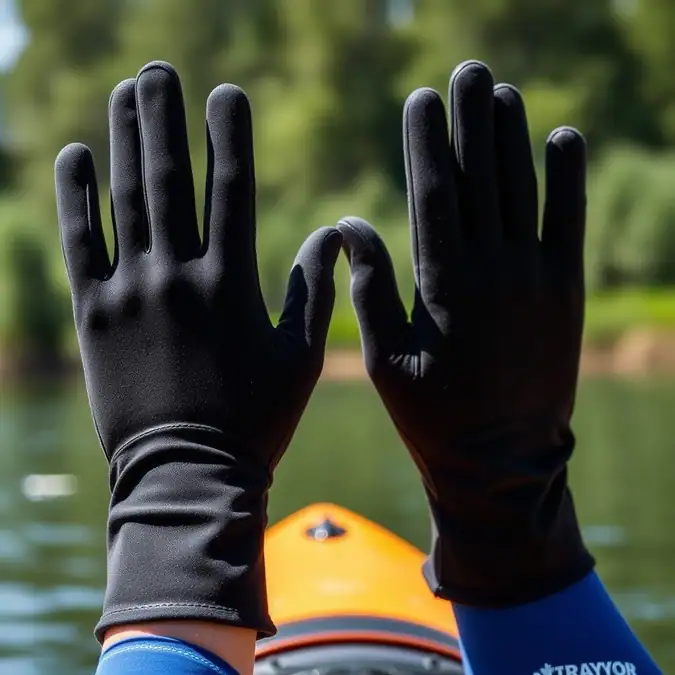
Neoprene Gloves for Paddling: A Simple Guide to Warm Hands on the Water

Ever cut a paddle trip short because your hands were too cold to hold the shaft? Cold hands hurt. They make steering, bracing, and just enjoying the day a struggle. Neoprene gloves for paddling fix that. They trap a thin layer of water against your skin, your body warms it, and the gloves hold that heat in. This guide walks you through how they work, the different styles out there, and how to pick the right pair for your next outing.
Why Neoprene Gloves Matter for Paddling
Water steals heat from your body far faster than air. When you’re paddling, your hands stay wet and the wind hits them. Evaporation cools them even more. Before long your fingers go numb, grip strength vanishes, and control slips away. Neoprene gloves for paddling add a protective barrier. They keep your hands warm even when soaked, and they also guard against blisters and sun. A solid pair lets you stay out longer and paddle harder.
Do you paddle in spring or fall? Hit cold lakes or ocean bays? If so, you need hand protection. Even summer mornings can be chilly on the water. Neoprene is the go-to material for a reason: it stretches, insulates, and lasts.
How Neoprene Keeps Your Hands Warm
Neoprene is a synthetic rubber packed with tiny closed cells filled with gas. Those cells block heat transfer. When you pull the gloves on, a thin film of water gets trapped between the neoprene and your skin. Your body warms that water quickly, and the neoprene locks the warmth in. Think of it like a wetsuit for your hands.
Thicker neoprene means more warmth, but also less feel. You have to balance warmth and dexterity. Most paddlers settle on 2 mm or 3 mm. Thicker 5 mm gloves exist for seriously cold water; they feel clumsy at first, but you adapt with time.
Ever wonder why divers wear thick neoprene while surfers go thin? Divers go deep, where pressure compresses the material. Surfers stay near the surface. Paddlers are more like surfers — we stay on top and need flex more than maximum insulation.
Types of Neoprene Gloves for Paddling
Not all neoprene gloves for paddling look the same. Three main styles dominate the market, each built for a different need.
Full Finger Gloves
These cover the whole hand and every fingertip. They deliver the most warmth and protect every finger. Ideal for cold water and windy days. Grip can feel bulky; some models add textured palms for a better hold.
Three-Finger Mitts (Lobster Claws)
These group your middle, ring, and pinky fingers together while leaving your index finger and thumb free. The design lets three fingers share warmth, yet you keep decent dexterity for gripping a paddle shaft. Many kayakers prefer this style for winter paddling.
Fingerless or Shorty Gloves
These cover the palm and back of the hand but leave fingertips exposed. You get maximum feel and dexterity, but the least warmth. Great for cool mornings or sun protection, not for true cold water.
| Glove Type | Warmth Level | Dexterity | Best For |
|---|---|---|---|
| Full Finger | High | Low to Medium | Cold water, winter, wind |
| Three-Finger Mitt | High | Medium | Cold water, long trips |
| Fingerless / Shorty | Low | High | Cool air, sun, blisters |
Which style matches your paddling season? Think about the coldest water you’ll face and match the glove to that condition.
Key Features to Check Before You Buy
Not all neoprene gloves for paddling are built equal. Keep an eye on these details when you shop.
Seam Construction
Seams let water in. Quality gloves use glued and blind-stitched seams — the stitch doesn’t pierce all the way through, sealing the needle holes. Top-tier models add liquid tape or welded seams, which leak less and last longer.
Palm Grip
You need to hold your paddle securely. Look for textured palms: silicone patterns or embossed neoprene work well. Some gloves use Kevlar or synthetic leather patches for extra durability and grip. If you can, test the feel — a slippery palm ruins a day on the water.
Wrist Closure
Water flushes in at the wrist. A long cuff that tucks under your jacket sleeve helps. Velcro straps let you snug the fit. Some gloves have a smooth-skin cuff that seals against skin, which works best with a dry top or wetsuit.
Thickness Rating
You’ll see numbers like 2/1 mm or 3/2 mm. The first number is torso thickness, the second is limb thickness. For gloves, a single number is common: 2 mm for cool water, 3 mm for cold water, 5 mm for very cold water. Pick based on your local temps.
Fit and Stretch
Neoprene stretches, so a snug fit works best. Loose gloves fill with cold water; tight ones restrict blood flow, which also makes hands cold. Try them on, make a fist, grip a broom handle, move your fingers. They should move freely without bagging.
Fit and Care Tips for Long Life
Good neoprene gloves for paddling can last years with a little care. Salt, sun, and dirt break them down fast. Build these habits.
Rinse After Every Use
Fresh water removes salt and sand. Turn them inside out and rinse the interior too. Hang to dry in the shade — never use a dryer. Heat ruins neoprene.
Store Flat or Hung
Don’t cram them into a gear bag folded tight. Creases become weak spots. Hang by the cuff or lay flat in a bin.
Check for Tears
Small cuts grow. Patch them with neoprene cement: clean the area, apply glue to both sides, press firmly, let cure overnight. This can save a glove mid-season.
Rotate Pairs
If you paddle often, own two pairs. Let one dry fully while you use the other. Damp neoprene grows mold and smells bad. Dry gloves stay fresh and warm.
Frequently Asked Questions About Neoprene Gloves for Paddling
What is the best neoprene gloves for paddling in cold water?
Three-finger mitts in 3 mm or 5 mm neoprene work best for cold water. They balance warmth and paddle grip. Look for sealed seams and a long cuff.
How much does neoprene gloves for paddling cost?
Prices range from $25 for basic fingerless models to $70 for premium full-finger or mitt styles with sealed seams. Most quality pairs fall between $35 and $55.
What should I look for when buying neoprene gloves for paddling?
Check seam sealing, palm grip texture, wrist closure style, and thickness rating. Fit is critical. Try them on and mimic a paddle grip before you buy.
Can I use diving gloves for paddling?
You can, but diving gloves are often thicker and stiffer. They reduce paddle feel. Paddling-specific gloves have better grip patterns and more flexible fingers.
How do I size neoprene gloves for paddling?
Measure your hand circumference at the knuckles. Check the brand’s size chart. Neoprene stretches, so when in doubt, size down for a snug fit that seals out water.
Final Thoughts
Cold hands ruin a good paddle. The right neoprene gloves for paddling keep you on the water longer. Match the thickness and style to your conditions. Check seams, grip, and fit. Rinse and dry them after every trip. Your hands will thank you. Now grab a pair and get out there.