
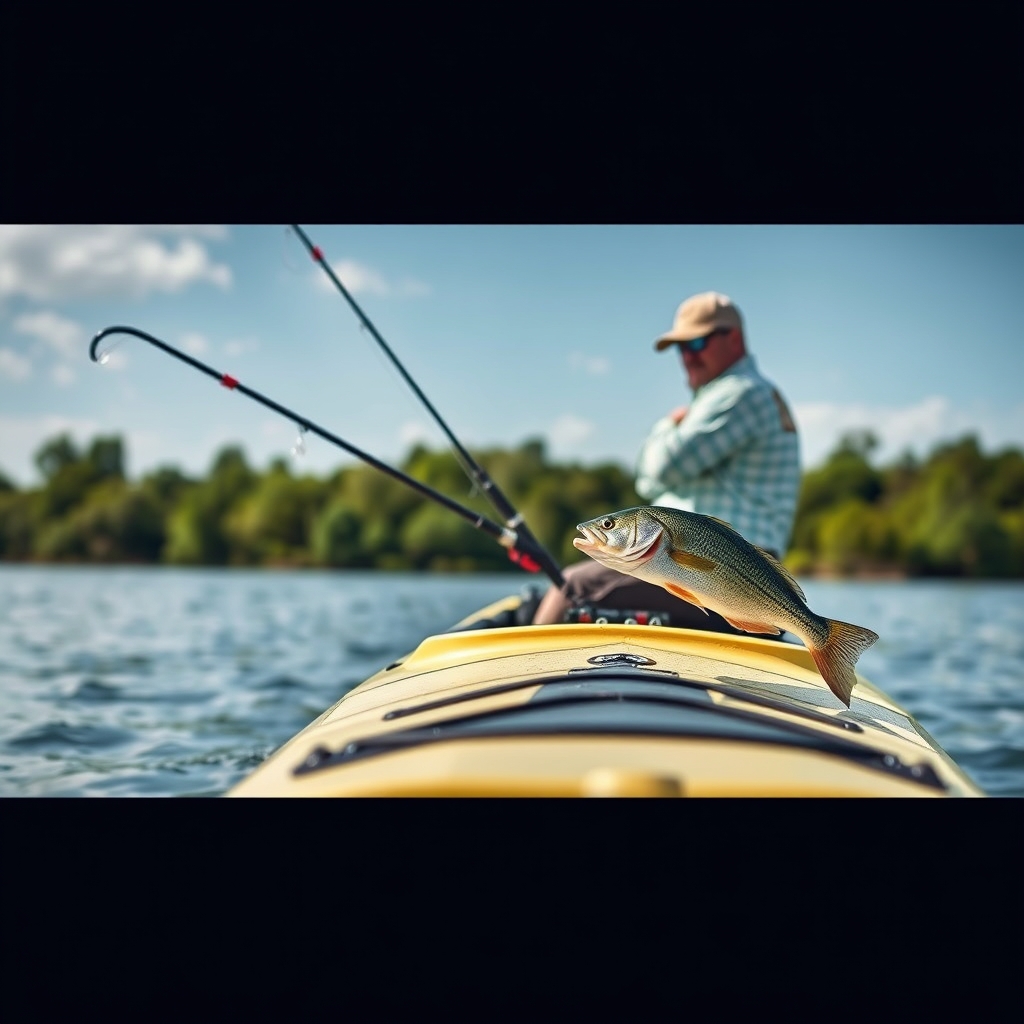
Kayak Fishing Rods for Fluke and Bass: A Simple Guide

Ever tried landing a big fluke from a kayak with the wrong rod? It’s like hauling a wet log through a straw— the rod over‑bends, the tip snaps, and the fish gets away. I’ve been there, and it’s no fun. In this guide we cover Kayak Fishing Rods for Fluke and Bass, so you’ll know what to buy, why it works, and how to keep it performing for years.
Why Kayak Rods Are Different
Kayak fishing isn’t the same as fishing from a boat. You sit low, have limited space, and paddle while you fish. A long boat rod bangs the gunwale, while a short ice rod lacks backbone. You need a rod built for the kayak lifestyle.

Ask yourself: do you want one rod that covers both species, or separate rods for each? Either approach works— you just need to understand the trade‑offs.
Fluke Rods Need Feel And Lift
Fluke hug the bottom. You jig a bucktail or soft plastic, so you need to detect a subtle tap and then lift the fish off the sand. That calls for a fast tip and medium power.

- Length: 6 feet 6 inches to 7 feet
- Power: Medium
- Action: Fast or Extra Fast
- Line: 10 to 20 pound braid
A fast tip tells you when the fluke inhales the bait. Medium power drives the hook home. The length lets you work the jig without hitting the water.
Bass Rods Need Power And Control
Bass strike hard and dive for cover— rocks, docks, grass. You need a rod that can turn their head and also skip baits under overhanging trees. That means a shorter, stiffer rod.

- Length: 6 feet 6 inches to 7 feet
- Power: Medium Heavy
- Action: Fast
- Line: 15 to 30 pound braid
Medium heavy power stops the run. Fast action loads quick for skip casts. The same length range keeps your kayak cockpit clear.
One Rod Or Two?
Can a single rod handle both? Yes—a 7‑foot medium‑fast rod can manage light fluke jigs and small bass plastics. However, it will wear you out on big bass and won’t give the sensitivity needed for subtle fluke bites. Two rods cost more, but they’ll put more fish in the kayak.

| Feature | Fluke Focus | Bass Focus | One Rod Compromise |
|---|---|---|---|
| Length | 7 ft | 6 ft 6 in | 7 ft |
| Power | Medium | Medium Heavy | Medium |
| Action | Fast | Fast | Fast |
| Best Lure Weight | 1/4 to 3/4 oz | 3/8 to 1 oz | 1/4 to 3/4 oz |
| Best Line | 10 to 20 lb braid | 20 to 30 lb braid | 15 to 20 lb braid |
Key Parts To Check
Blank Material
Graphite is light and sensitive; fiberglass is tough but slower; composites blend both. For kayak rods, high‑modulus graphite wins— you feel every rock and bite, and your arm stays fresh all day.
Guides
Look for stainless‑steel frames with silicon‑carbide inserts. They shed braid smoothly and resist salt corrosion. Micro guides cut weight but can ice up in winter, so standard guides are the safer year‑round choice.
Reel Seat
A locking hood keeps the reel secure. Graphite seats are light; aluminum seats are stronger. Either works— just ensure your reel foot fits without play.
Handle
EVA foam grips stay grippy when wet; cork feels warm in cold water. Split grips save weight, while full grips give more leverage. Choose whatever feels best in your hand.
Saltwater Proofing Matters
Fluke live in saltwater, and bass often venture into brackish zones. Salt devours cheap components. Rinse the rod after every trip, spray the guides with corrosion block monthly, and store it dry. A salt‑ready rod can last a decade; a cheap one may only survive a season.
Budget Reality
You get what you pay for. A $50 rod bends; a $200 rod performs; a $400 rod feels like magic. Set your budget and buy the best you can afford— one good rod beats two bad ones.
- Entry: $60 to $100 — works for calm days and small fish
- Mid: $130 to $200 — sweet spot for most kayak anglers
- High: $250 plus — light, crisp, lifetime warranty
How To Test Before You Buy
Shake the rod— does the tip snap back quickly? Flex it against the floor; does the power come from the butt? Grip it— does it balance with your reel? A balanced rod sits level in your hand, letting you fish longer with less fatigue.
Care Tips From The Dock
- Rinse with fresh water every trip
- Wipe guides with a cloth
- Loosen drag before storage
- Store horizontal or vertical, never leaning on the tip
- Check guide wraps for cracks each spring
Frequently Asked Questions About Kayak Fishing Rods for Fluke and Bass
What length is best for a kayak?
Six feet six inches to seven feet. Long enough to work lures. Short enough to miss the gunwale.
Can I use a freshwater bass rod for fluke?
Yes if it is Medium Fast. Rinse it well. Salt will kill the guides fast.
How much should I spend?
One hundred fifty dollars gets a rod that lasts years. Spend more if you fish every week.
Spinning or casting?
Spinning is easier in a kayak. Casting works if you already own the gear.
Do I need a special kayak rod?
Not special. Just the right length, power, and action for sitting low.
Final Thoughts
The right rod turns a tough day into a great catch. Match the rod to the fish and to your kayak, take care of it, and you’re set. Grab your paddle, pick your spot, and feel that first thump— the water’s waiting.