
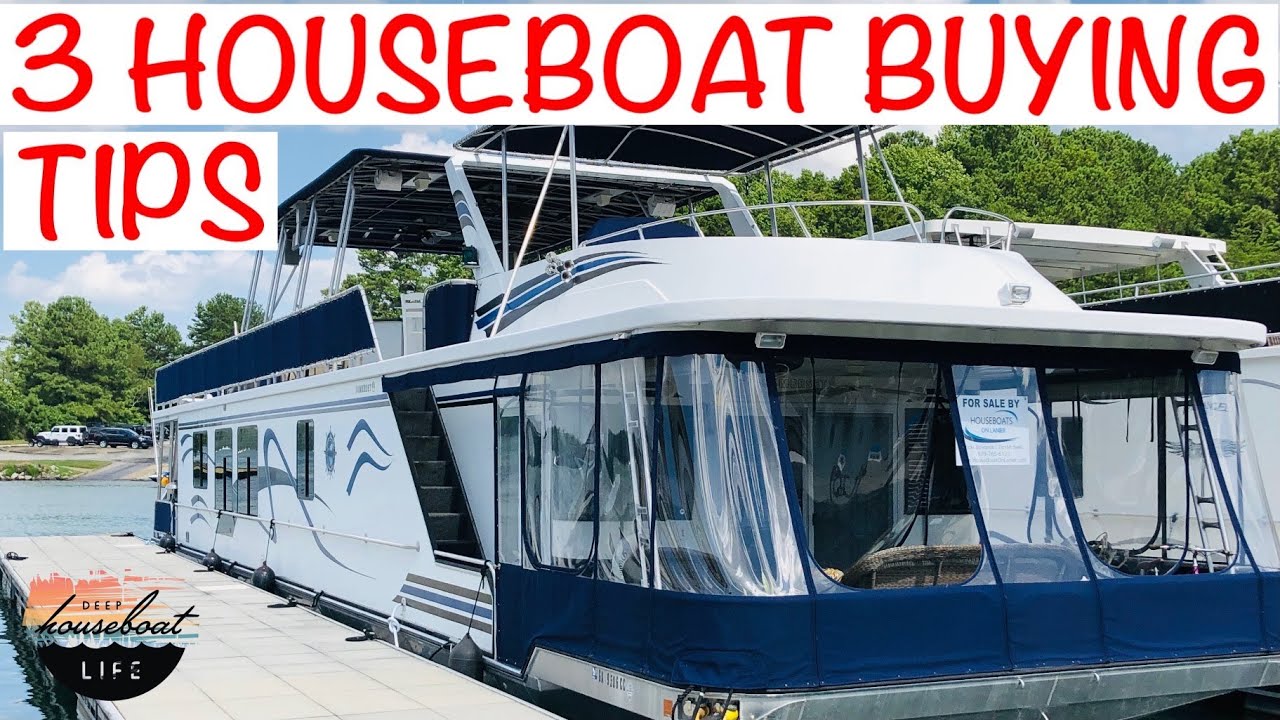
How to Buy a Houseboat for Beginners
Buying a houseboat can feel overwhelming, but this guide will walk you through how to buy a houseboat for beginners step by step. You will learn what to prepare, how to inspect a boat, and how to avoid common pitfalls.
Estimated time: 2–4 weeks for research and paperwork, plus a few days for viewings. Difficulty: moderate. Basic preparation: a notebook, a camera, and a willingness to ask questions.
Before You Start
Before you begin the buying process, gather the following tools and materials. They will help you evaluate each houseboat and keep track of important details.
| Tool / Material | Purpose |
|---|---|
| Camera or smartphone | Take photos of the exterior, interior, and any damage |
| Measuring tape | Check dimensions of rooms and storage spaces |
| Level | Verify that the boat sits level on the water |
| Flashlight | Inspect dark areas such as engine compartments |
| Checklist | Record findings for each vessel you view |
| Marine surveyor contact | Arrange a professional inspection before closing |
Also confirm that you have a valid driver’s license and any required state boating credentials. Some states ask for a “Certificate of Documentation” for vessels over a certain length.
Step‑by‑Step Guide: How to Buy a Houseboat for Beginners
-
Determine your budget and financing options.
Start by deciding how much you can spend. Houseboats can range from $60,000 for a used model to over $1 million for a new, large vessel. Talk to a lender that specializes in marine loans, and get pre‑approved so you know your price range.
-
Research houseboat types and locations.
Decide if you want a fixed‑berth houseboat, a floating home, or a travel‑capable model. Consider the climate, water depth, and marina rules where you plan to keep the boat. Look for “houseboats for sale” on reputable listing sites.
-
Schedule viewings and bring your checklist.
Contact sellers and arrange on‑water tours. Bring the camera, measuring tape, and checklist from the “Before You Start” section. Walk through every room, open cabinets, and test appliances.
-
Inspect the hull, engine, and systems.
Look for cracks, blisters, or rust on the hull. Run the engine (if possible) and listen for odd noises. Check the plumbing, electrical panels, and battery bank. Note any signs of water intrusion or corrosion.
-
Hire a marine surveyor.
A certified surveyor will perform a thorough inspection and provide a written report. This step is critical; it can reveal hidden issues that could cost thousands to repair later.
-
Negotiate price and terms.
Use the surveyor’s findings to ask for repairs or a price reduction. Be prepared to walk away if the seller refuses reasonable adjustments.
-
Secure insurance and registration.
Obtain a marine insurance policy that covers liability and hull damage. Register the boat with the state or the U.S. Coast Guard, depending on its size and use.
-
Arrange delivery or mooring.
If the boat is not already at your desired location, hire a professional mover or arrange a tow. Confirm marina slip availability and any required permits.
-
Finalize paperwork and close.
Sign the bill of sale, transfer titles, and pay the agreed amount. Keep copies of all documents for your records.
Common Mistakes to Avoid When Buying a Houseboat
- Skipping the surveyor. Many beginners think they can save money by not hiring a professional. A missed defect can lead to expensive repairs or even a total loss.
- Ignoring location rules. Some marinas have strict occupancy limits, age restrictions, or noise ordinances. Verify these before you commit.
- Underestimating ongoing costs. Beyond the purchase price, budget for insurance, mooring fees, maintenance, and utilities.
- Not testing systems. If you can’t run the engine or check the water system, ask the seller to demonstrate them.
- Failing to read the fine print. Ensure the title is clear of liens and that the seller has the right to sell.
Troubleshooting Common Issues
| Problem | Likely Cause | Practical Check | Safe Next Action |
|---|---|---|---|
| Engine won’t start | Dead battery or fuel blockage | Check battery voltage and fuel filter | Charge battery or clean filter; if issue persists, call a mechanic |
| Water leaks inside | Failed hull fitting or loose seal | Inspect around windows, hatches, and through‑hull fittings | Re‑seal or replace damaged parts; consult a marine technician |
| Electrical shorts | Corroded wiring or overloaded circuits | Examine breaker panel and wiring for rust | Repair or replace wiring; avoid adding high‑draw devices |
| Unstable listing | Uneven weight distribution | Use a level on deck; check ballast tanks | Adjust ballast or redistribute gear; seek advice from a surveyor |
When to Stop and Seek Professional Help
Stop the process and call a qualified professional if you notice any of the following:
- Significant hull damage that cannot be easily repaired
- Electrical issues that involve the main breaker panel
- Any structural cracks that affect the boat’s integrity
- Unclear title or evidence of a lien
These situations involve safety risks or legal complications that are beyond the scope of a beginner’s DIY inspection.
Frequently Asked Questions
-
How much does a houseboat cost?
A used houseboat can be found for around $60,000, while a new, larger model may exceed $1 million. The price depends on size, age, and included amenities.
-
Do I need a special license to operate a houseboat?
In most states, you need a boating safety certificate if the vessel is over a certain length. Check your state’s marine office for exact requirements.
-
Can I live on a houseboat year‑round?
Yes, but you must ensure the boat is equipped for all seasons, including heating, insulation, and reliable power. Local zoning laws may also affect permanent residence.
-
What is the difference between a houseboat and a floating home?
A houseboat is designed to be mobile, while a floating home is typically anchored and not meant to move. Each has different registration and insurance rules.
-
How do I find reliable houseboat listings?
Use reputable online marketplaces, local marina bulletin boards, and classified ads. Verify the seller’s credentials before sharing personal information.
Final Thoughts
Following this guide will help you navigate the process of buying a houseboat with confidence. By preparing your tools, inspecting each vessel, and avoiding common mistakes, you increase the chance of a smooth purchase and a satisfying life on the water.