

Yamaha Waverunners are renowned for their performance, reliability, and innovation, offering thrilling experiences on the water. However, like any mechanical equipment, they may encounter certain issues over time. In this comprehensive article, we will delve into seven common problems with Yamaha Waverunners, exploring their causes and providing detailed solutions. By familiarizing yourself with these issues, you can effectively troubleshoot and maintain your Waverunner, ensuring optimal performance and longevity.
Problem #1: Engine Starting Issues
One of the most prevalent problems Waverunner owners experience is difficulty starting the engine. This can manifest as a slow crank, no crank, or intermittent starting.
Causes:
- Dead battery or low charge: A dead or low-charged battery can hinder the starting process.
- Faulty starter motor or solenoid: A malfunctioning starter motor or solenoid may prevent the engine from starting.
- Ignition switch problems: Issues with the ignition switch can disrupt the starting sequence.
- Fuel delivery issues: Insufficient fuel reaching the engine can hinder the starting process.
- Electrical wiring faults: Damaged or loose wiring connections can impede the electrical flow necessary for engine starting.
Solutions:
- Charge or replace the battery as needed: Ensure the battery is fully charged or consider replacing it if it no longer holds a charge effectively.
- Inspect and repair or replace the starter motor or solenoid: Test the starter motor and solenoid for proper functionality and replace if necessary.
- Check and repair the ignition switch or associated wiring: Inspect the ignition switch and its wiring for any signs of damage or faulty connections, repairing or replacing as needed.
- Ensure proper fuel delivery and clean fuel system components: Check the fuel lines, filters, and injectors for any blockages or contaminants, cleaning or replacing components as necessary.
- Inspect and repair any electrical wiring faults or connections: Thoroughly inspect the electrical wiring for any damaged or loose connections, repairing or replacing as required.
Problem #2: Overheating
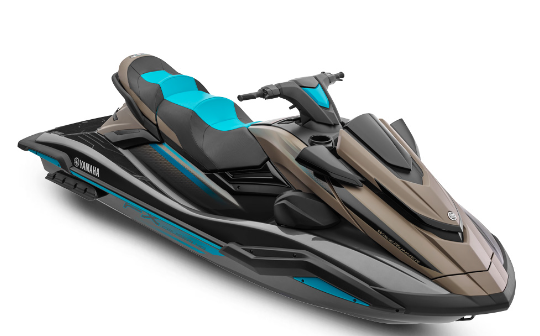
Overheating is a common issue that, if left unaddressed, can lead to severe engine damage. Symptoms include increased temperature gauge readings, loss of power, and engine stalling.
Causes:
- Low coolant levels or coolant leaks: Insufficient coolant levels or coolant leaks can cause the engine to overheat.
- Clogged or dirty cooling system: Accumulated debris or sediment in the cooling system can obstruct proper heat dissipation, leading to overheating.
- Malfunctioning water pump or impeller: A faulty water pump or damaged impeller can impede the circulation of coolant, resulting in overheating.
- Insufficient water flow or blockages: Insufficient water flow or blockages in the water intake system can prevent effective cooling.
- Incorrect fuel-to-air mixture: An incorrect fuel-to-air mixture can cause the engine to run hotter than normal.
Solutions:
- Check coolant levels and inspect for leaks; repair and refill as necessary: Ensure that the coolant levels are within the recommended range and fix any identified leaks. Refill the coolant to the appropriate level.
- Clean or flush the cooling system to remove any debris or blockages: Flush the cooling system with a suitable cleaner to remove any accumulated debris or sediment that may hinder coolant flow.
- Inspect and repair the water pump or impeller: Examine the water pump and impeller for any damage or wear, replacing them if necessary.
- Ensure proper water flow and remove any blockages: Inspect the water intake system for blockages or obstructions, ensuring that water flows freely through the system.
- Adjust the fuel-to-air mixture to the manufacturer’s specifications: Consult the manufacturer’s guidelines and adjust the fuel-to-air mixture to ensure proper combustion and prevent overheating.
Problem #3: Electrical System Malfunctions
Electrical issues can arise in Yamaha Waverunners, leading to various problems such as instrument panel failures, malfunctioning lights, or loss of power.
Causes:
- Loose or corroded electrical connections: Loose or corroded connections can disrupt the electrical flow, resulting in malfunctions.
- Faulty ignition switch or key: A malfunctioning ignition switch or key can cause electrical system problems.
- Blown fuses or circuit breakers: Blown fuses or tripped circuit breakers can interrupt the electrical circuit, leading to malfunctions.
- Damaged wiring or insulation: Wiring or insulation damage can cause short circuits or improper electrical flow.
- Defective battery or charging system: A defective battery or faulty charging system can lead to electrical system malfunctions.
Solutions:
- Inspect and tighten all electrical connections: Thoroughly inspect all electrical connections, ensuring they are tight and free from corrosion.
- Check and repair or replace the ignition switch or key: Test the ignition switch and key for proper functionality and replace if necessary.
- Replace blown fuses or reset circuit breakers: Identify and replace blown fuses or reset tripped circuit breakers as required.
- Repair or replace damaged wiring or insulation: Inspect the wiring for any signs of damage or wear, repairing or replacing affected sections.
- Test and replace a faulty battery or charging system components: Perform a battery and charging system test to identify any faults, replacing defective components as needed.
Problem #4: Fuel System Issues
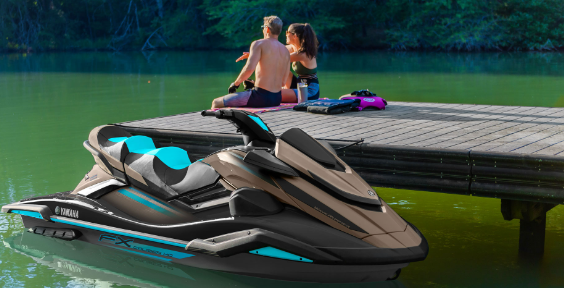
Fuel system problems can result in poor performance, engine misfires, or difficulty starting the Waverunner.
Causes:
- Clogged fuel filters or injectors: Accumulated debris or contaminants can clog fuel filters or injectors, impeding proper fuel flow.
- Contaminated fuel: Fuel contaminated with water or impurities can disrupt engine combustion and performance.
- Fuel pump failure: A malfunctioning fuel pump can result in inadequate fuel delivery to the engine.
- Faulty fuel pressure regulator: A defective fuel pressure regulator can lead to inconsistent fuel pressure, affecting engine performance.
- Air leaks in the fuel system: Air leaks in the fuel system can introduce additional air into the combustion process, leading to poor performance.
Solutions:
- Clean or replace clogged fuel filters or injectors: If the fuel filters or injectors are clogged, clean or replace them to ensure proper fuel flow.
- Drain and replace contaminated fuel: If fuel contamination is suspected, drain the fuel tank and refill it with clean, fresh fuel.
- Inspect and replace a faulty fuel pump: Test the fuel pump for proper functionality, and if it is defective, replace it.
- Test and replace a defective fuel pressure regulator: Measure the fuel pressure and test the fuel pressure regulator for proper operation. Replace if necessary.
- Check for and repair any air leaks in the fuel system: Thoroughly inspect the fuel lines and connections for any air leaks, repairing or replacing affected components as required.
Problem #5: Steering and Handling Problems
Issues with steering and handling can affect the overall maneuverability and safety of the Waverunner. Symptoms may include difficulty turning, excessive play in the steering system, or erratic steering response.
Causes:
- Loose or worn steering components: Loose or worn steering components can lead to imprecise steering and diminished control.
- Damaged or bent steering nozzle: A damaged or bent steering nozzle can hinder the watercraft’s steering performance.
- Malfunctioning trim system: A malfunctioning trim system can affect the balance and responsiveness of the Waverunner.
- Worn or damaged impeller: A worn or damaged impeller can cause irregular water flow, impacting steering control.
- Incorrectly adjusted steering cables: Improperly adjusted steering cables can result in poor steering response or excessive play.
Solutions:
- Inspect and tighten or replace loose or worn steering components: Check all steering components for any signs of looseness or wear, tightening or replacing as necessary.
- Repair or replace a damaged or bent steering nozzle: Examine the steering nozzle for any damage or misalignment, repairing or replacing it if needed.
- Check and repair the trim system if necessary: Test the trim system for proper functionality and repair any malfunctions.
- Inspect and replace a worn or damaged impeller: Inspect the impeller for signs of wear or damage, replacing it if necessary.
- Adjust the steering cables to the manufacturer’s specifications: Follow the manufacturer’s guidelines to adjust the steering cables properly, ensuring optimal steering response and minimizing play.
Problem #6: Jet Pump Cavitation
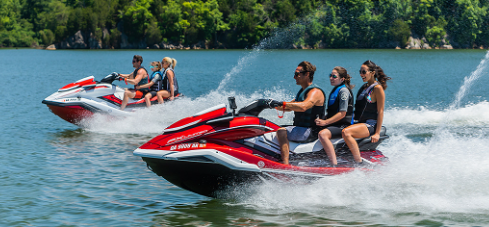
Jet pump cavitation occurs when air or vapor bubbles form near the impeller, leading to reduced thrust, increased noise, and potential damage to the impeller.
Causes:
- Damaged or worn impeller: A damaged or worn impeller can disrupt water flow, leading to cavitation.
- Debris or foreign objects obstructing the intake grate: Blockages in the intake grate can cause cavitation by impeding water intake.
- Incorrectly adjusted trim settings: Improper trim settings can affect water flow, contributing to cavitation.
- Cavitation plate misalignment: Misaligned cavitation plates can cause irregular water flow and promote cavitation.
- Improper water depth for riding conditions: Riding in water that is too shallow for the Waverunner’s design can lead to cavitation.
Solutions:
- Inspect and replace a damaged or worn impeller: Examine the impeller for signs of wear or damage, replacing it if necessary.
- Clear any debris or foreign objects from the intake grate: Regularly inspect and remove any debris or foreign objects obstructing the intake grate to ensure proper water flow.
- Adjust the trim settings to the manufacturer’s recommendations: Follow the manufacturer’s instructions to set the trim to the recommended position for optimal water flow.
- Ensure the cavitation plate is properly aligned: Check the alignment of the cavitation plate and adjust it as needed to ensure smooth water flow.
- Choose appropriate water depths for riding to prevent cavitation: Be mindful of the water depth and avoid riding in areas that are too shallow, as this can promote cavitation.
Problem #7: Hull Damage and Leaks
Hull damage or leaks can occur due to impacts, abrasions, or poor maintenance practices, compromising the structural integrity and buoyancy of the Waverunner.
Causes:
- Collisions with objects in the water: Accidental collisions with objects in the water can cause hull damage or leaks.
- Running aground or beaching: Running aground or beaching the Waverunner can result in hull damage or punctures.
- Improper storage or transportation practices: Inadequate storage or transportation methods can lead to hull damage.
- Aging or degraded hull material: Over time, the hull material may deteriorate, increasing the risk of damage and leaks.
- Failure to address minor cracks or damage promptly: Neglecting minor cracks or damage can exacerbate the problem, leading to more significant issues.
Solutions:
- Inspect and repair any visible hull damage or leaks: Thoroughly inspect the hull for any visible damage or leaks, promptly repairing them to maintain the structural integrity.
- Avoid collisions and be cautious of shallow waters: Exercise caution while operating the Waverunner, avoiding collisions with objects in the water and shallow areas.
- Properly store and transport the Waverunner to minimize damage: Store the Waverunner in a suitable location, ensuring it is adequately supported and protected during transportation.
- Regularly inspect and maintain the hull to prevent deterioration: Perform regular inspections of the hull, addressing any signs of deterioration promptly.
- Address minor cracks or damage promptly before they worsen: Attend to minor cracks or damage as soon as they are noticed, preventing them from developing into more severe issues.
Conclusion
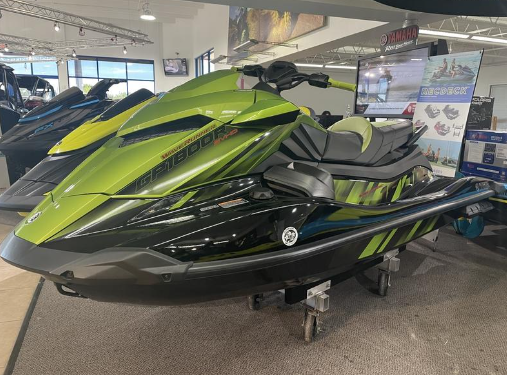
By understanding these common problems and their causes, Yamaha Waverunner owners can be better equipped to address issues promptly and effectively. Regular maintenance, adherence to manufacturer guidelines, and seeking professional assistance when necessary are essential for maintaining the performance and longevity of your Waverunner. With proper care and attention, your Yamaha Waverunner will continue to provide exhilarating and trouble-free experiences on the water for many years to come.