
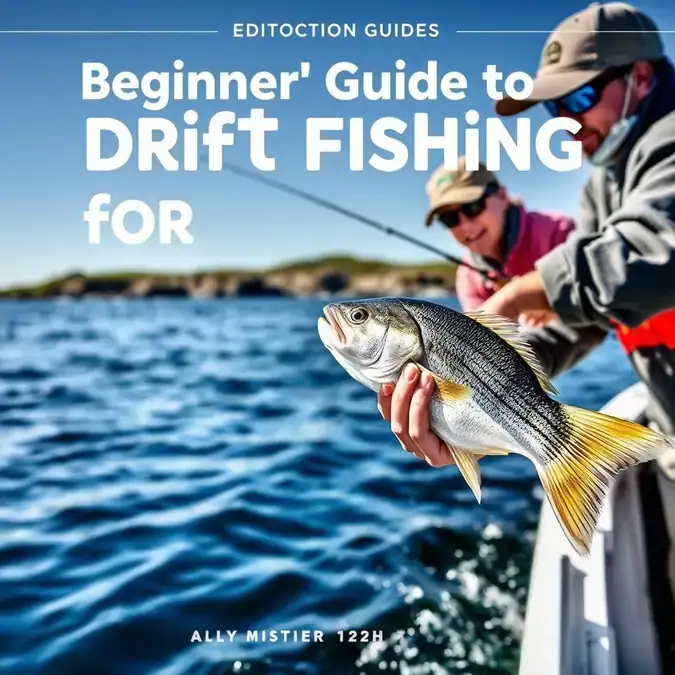
Beginner‘s Guide to Drift Fishing for Fluke
I was struggling to get a bite on my usual spots, watching the tide drift my bait uselessly, when a fellow angler handed me a waterproof guide titled Beginner’s Guide to Drift Fishing for Fluke. That simple booklet changed how I approached the water, turning frustrating days into steady catches. In this article I’ll walk you through what the guide covers, why it helps beginners, and how you can use it to improve your own fluke fishing trips.
- The guide explains drift fishing basics, gear selection, and reading tidal currents for fluke.
- Using the guide can shorten the learning curve and increase catch rates for new anglers.
- Different formats exist: printed booklets, waterproof cards, e‑books, and short video series.
- Key factors to consider when choosing a guide are clarity, local relevance, and durability.
- Proper setup includes protecting the guide from water, marking useful pages, and pairing it with a reliable rig.
- Practical tips cover bait presentation, drift speed adjustment, and spotting subtle bites.
- Personal anecdotes show how the guide transformed frustrating outings into productive trips.
- Alternatives and a quick comparison help you pick the best resource for your style and budget.
- Frequently asked questions address cost, where to buy, and what to look for in a quality guide.
Introduction

My first attempts at drift fishing for fluke felt like casting into a void. I would drop a squid strip, let the boat drift, and wait for a tug that never came. After a few blank mornings, a friend slid a laminated sheet across the tackle box and said, “Try this.” The sheet was a concise Beginner’s Guide to Drift Fishing for Fluke. It showed me how to read the subtle ripples that indicate a fluke lying just below the surface, how to weight my rig so the bait stays just off the bottom, and how to adjust my drift speed to match the tide. Within an hour I felt the first gentle tap, and the day turned from disappointing to rewarding.
That experience taught me that a good guide is more than a collection of tips; it’s a shortcut to confidence on the water. In the sections that follow, I’ll break down what makes a guide useful, how to pick one that matches your local conditions, and ways to get the most out of every page.
Why Use Beginner’s Guide to Drift Fishing for Fluke?

Fluke, also known as summer flounder, are masters of camouflage. They lie flat on sandy bottoms, waiting for prey to drift overhead. For a beginner, spotting that subtle shadow or feeling a light bite can be guesswork. A dedicated guide strips away the mystery by explaining the fish’s behavior in plain language. It tells you where fluke tend to hold during different tide stages, what baits they prefer, and how to present those baits without spooking them.
Beyond behavior, a guide walks you through the practical side of drift fishing. It shows which sinker weights keep your bait in the strike zone, how to tie a simple fluke rig that resists tangles, and why a short, sharp rod tip helps you detect those delicate bites. When you follow the advice, you spend less time guessing and more time feeling the fish.
Finally, using a guide builds confidence. Knowing you have a reliable reference reduces anxiety and lets you enjoy the rhythm of the boat, the splash of the tide, and the excitement of a tight line. That confidence often translates into more frequent trips and a deeper appreciation for the sport.
Benefits of Using Beginner’s Guide to Drift Fishing for Fluke

One clear benefit is a shorter learning curve. Instead of trial‑and‑error over many outings, you get proven tactics right away. The guide condenses hours of local knowledge into a few readable pages, so you can start catching fish sooner.
Another benefit is improved bait presentation. The guide explains how to adjust your drift speed so the bait moves naturally with the current, mimicking a wounded baitfish. This subtle detail often makes the difference between a follow and a strike.
Durability is also a plus. Many guides are printed on waterproof synthetic paper or laminated cardstock, meaning they survive splashes, rain, and the occasional drop in the bilge. You can refer to them year after year without worrying about pages turning to mush.
Lastly, a good guide often includes local regulations and size limits. Staying legal protects the fishery and keeps you from costly fines. Having that information at a glance lets you focus on fishing, not paperwork.
Types of Beginner’s Guide to Drift Fishing for Fluke

Guides come in several formats, each suited to different preferences and situations.
- Printed booklets – Typically 8‑12 pages, stapled or saddle‑stitched, easy to flip through while on the boat.
- Waterproof cards – Single‑sided or double‑sided cards made of synthetic material; they resist water and can be clipped to a lanyard.
- e‑Books or PDFs – Digital files you can load onto a smartphone, tablet, or dedicated e‑reader; useful for zooming in on diagrams.
- Short video series – Clips ranging from two to five minutes that show rig tying, bait placement, and drift techniques in action.
- Combination kits – A printed card plus a QR code linking to a video demonstration, giving you both quick reference and visual guidance.
Choosing the right type depends on how you like to learn. If you prefer flipping pages while the boat rocks, a waterproof card works well. If you enjoy watching a demonstration before you try it yourself, a video or combo kit may be better.
Popular Types of Beginner’s Guide to Drift Fishing for Fluke
Among anglers, a few styles have risen to the top because they balance clarity, durability, and local relevance.
The classic laminated fluke cheat sheet is a favorite. It usually features a tide‑chart graphic, a simple rig diagram, and a list of proven baits such as squid strips, minnows, and soft plastic jerkbaits. Anglers appreciate that it fits in a pocket and can be wiped clean after a salty splash.
Another popular option is the small spiral‑bound guide sold by regional tackle shops. These booklets often include a map of local fluke hotspots, seasonal tips, and a short section on reading bottom contour with a depth finder. The spiral binding lets the guide lay flat on a console or seat.
Digital guides have gained traction, especially among younger anglers. A PDF that you can store on a phone allows you to zoom in on illustrations of hook sets or to search for keywords like “tide change” or “bucktail jig.” Many of these PDFs are free from state fisheries websites or from reputable fishing blogs.
Finally, short video clips hosted on platforms like YouTube have become go‑to references. A two‑minute video showing how to tie a fluke rig with a bead and a swivel can be more intuitive than a static diagram. Anglers often bookmark these videos for quick review before heading out.
How to Choose Beginner’s Guide to Drift Fishing for Fluke
When you start shopping for a guide, think about three main factors: clarity, local focus, and durability.
Clarity means the language is straightforward and the illustrations are easy to follow. Look for guides that avoid heavy jargon and instead use simple terms like “let the bait drift just above the sand” or “use a 1‑ounce sinker for a moderate current.” Diagrams should show the rig from a side view, with labels for the hook, leader, sinker, and bait.
Local focus is crucial because fluke behavior changes with geography. A guide written for the mid‑Atlantic will highlight spots like the Delaware Bay or the New Jersey inland bays, while a New England version might focus on Cape Cod or the South Shore. Check the publication date and see if it mentions recent regulations or notable hotspots for the current season.
Durability protects your investment. If you fish in spray‑heavy conditions, a laminated card or a synthetic‑paper booklet will survive longer than a standard paper pamphlet. Some guides even come with a UV‑resistant coating to prevent fading from sunlight.
Finally, consider any extra features that add value. A QR code linking to a video, a tide‑chart insert, or a checklist of legal sizes can make a guide more useful than a basic fact sheet.
For authoritative background on fluke biology and regulations, you can consult the NOAA Summer Flounder overview.
Installation and Setup of Beginner’s Guide to Drift Fishing for Fluke
“Installation” might sound like a technical term, but for a fishing guide it simply means getting it ready for use on the water.
First, pick a spot where you can see the guide easily without taking your eyes off the line for too long. Many anglers tape a small waterproof card to the inside of the console lid or clip it to a lanyard that hangs from the steering wheel. If you prefer a booklet, place it in a dry storage pouch or a zip‑lock bag attached to a rail.
Second, protect the guide from water damage. Even water‑resistant materials benefit from a quick rinse with fresh water after a salty day, then a gentle pat dry. Store the guide away from direct sunlight when not in use to prevent any coating from degrading.
Third, mark the pages or sections you refer to most often. A small piece of brightly colored tape or a water‑proof sticky tab can help you flip straight to the tide‑chart or the rig diagram without flipping through the whole guide.
Fourth, pair the guide with your gear setup. Before you leave the dock, lay out your rod, reel, leader, sinker, and bait. Use the guide’s diagram to confirm that the sinker weight matches the current speed you expect, and that the hook size is appropriate for the bait you plan to use.
Finally, do a quick mental walk‑through: visualize the drift, imagine where the fluke will be lying, and picture how you’ll detect a bite. Having the guide’s advice fresh in your mind makes the actual execution smoother.
For state‑specific rules on fluke size limits and seasons, the New Jersey Division of Fish and Wildlife site is a reliable reference.
Tips for Using Beginner’s Guide to Drift Fishing for Fluke Effectively
To get the most out of your guide, treat it as a living tool rather than a static souvenir.
Start each trip by reviewing the tide section. Note whether the tide is incoming, outgoing, or at slack, and adjust your drift speed accordingly. A faster incoming tide may require a slightly heavier sinker to keep the bait near the bottom, while a slack tide often lets you use a lighter weight and a more subtle presentation.
Next, check the bait recommendations. If the guide suggests squid strips for early summer, have a few ready; if it notes that soft plastics work better later in the season, keep a selection of those in your tackle box. Matching the bait to the seasonal preference increases the chance of a fluke mistaking your offering for natural prey.
When you’re on the water, keep the guide within arm’s reach but not in the way of your rod handling. A quick glance at the rig diagram can remind you whether you’ve tied the leader length correctly—usually 18 to 24 inches for fluke.
If you’re not getting bites, use the guide’s troubleshooting tips. Common advice includes checking for weeds on the hook, ensuring the bait is still lively, and verifying that the sinker isn’t dragging too hard on the bottom, which can dull the bite detection.
After each outing, rinse the guide, note any observations that worked or didn’t, and consider adding a personal sticky note with a tweak that improved your results. Over time, the guide becomes a personalized log of what works best in your local waters.
For additional visual guidance on drift fishing rigs, the article Salt Water Sportsman’s fluke rig guide offers clear photos and step‑by‑step instructions.
How It Works for Me
When I first opened the guide, the tide‑chart page caught my eye. It showed a simple graphic of rising and falling water levels with arrows indicating the best times to drift over known fluke flats. I matched that chart to the tide app on my phone and picked a spot where the current would push my bait just over a sandy drop‑off.
The rig diagram was equally helpful. It depicted a sliding sinker rig with a bead protecting the knot, a short leader, and a wide‑gap hook tipped with a squid strip. I tied the rig exactly as shown, using a 1‑ounce sinker for the moderate current we had that morning. The bead prevented the sinker from sliding onto the hook, which can cause missed bites.
As the boat drifted, I kept the rod tip low and watched for a slight twitch. The guide had mentioned that fluke often take the bait lightly, almost like a nibble, before committing. When I felt that soft tap, I set the hook with a smooth upward motion, and the line tightened. The fish gave a short, powerful headshake, then settled into a steady fight.
After landing a respectable 18‑inch fluke, I flipped back to the guide’s bait‑selection tip and noted that squid had indeed been the recommended choice for that time of year. The whole process felt less like guesswork and more like following a proven recipe.
What I Like
The first thing I appreciate is the guide’s brevity. It doesn’t overwhelm you with pages of theory; instead, it gives you the essentials you need to start catching fish right away.
I also like the durability. The laminated card I used survived several splashes, a sudden rain shower, and even a brief dunk in the bilge when I leaned over to net a fish. A quick wipe with a towel left it ready for the next trip.
The visual aids are clear and practical. The tide‑chart uses simple color coding—green for incoming, red for outgoing—so you can grasp the information at a glance without needing to decipher complex legends.
Another plus is the inclusion of local regulations. Having the minimum size limit (usually around 14 inches in many mid‑Atlantic states) printed on the guide means I never have to wonder if a keeper is legal before I measure it.
Finally, the guide’s price point is friendly. Most versions cost less than a fancy lure, making it an low‑risk investment for someone who is just starting to explore drift fishing for fluke.
What Could Be Better
No guide is perfect, and there are a few areas where I’d like to see improvements.
First, the tide‑chart is useful but static. It assumes a typical tidal pattern for the area, but strong winds or offshore storms can alter currents significantly. A small note suggesting anglers check a real‑time tide app or a local marine forecast would add flexibility.
Second, the bait section could benefit from a seasonal rotation guide. While it lists squid strips and soft plastics, a brief calendar showing which bait works best in early summer versus late summer would help anglers plan their tackle purchases throughout the season.
Third, the rig diagram shows a sliding sinker rig, which is great for beginners, but some experienced fluke anglers prefer a fixed‑sinkers rig for better bottom contact in heavy current. Adding a variant or a tip on when to switch rigs would increase the guide’s versatility.
Fourth, the guide could include a quick‑reference knot‑tying cheat sheet for the improved clinch knot or the palomar knot, both of which are commonly used when tying leaders to hooks. A tiny illustration would save anglers from searching online while on the boat.
Lastly, while the guide is waterproof, the edges can eventually fray with heavy use. A reinforced corner or a small metal eyelet for attaching a lanyard would improve longevity.
My Personal Experience
My first season using the guide was a mix of excitement and learning. I started in early June, when the water was warming and fluke were moving into the shallows. Following the guide’s advice, I chose a spot near a channel edge where the tide funneled baitfish toward a sandy flat.
The first few drifts produced only a gentle tug that turned out to be a small bait‑stealer. I checked the guide, verified that my sinker weight matched the current, and switched to a slightly lighter presentation. On the next drift, I felt a distinct tick, set the hook, and landed a 16‑inch fluke—a solid keeper for my first trip with the guide.
As the weeks went on, I began to notice patterns. The guide’s tip about drifting just above the bottom during a slack tide proved especially productive; I could feel the fluke inhaling the bait almost before the sinker touched the sand. I also learned to vary my bait presentation—sometimes a slow‑retrieved soft plastic jerkbait elicited a strike when a static squid strip was ignored.
By mid‑August, I had logged over twenty keeper fluke, many of them in the 18‑ to 22‑inch range. The guide’s durability meant I could reference it after each outing without worrying about water damage. I even started adding my own notes on the back of the card: “Try a ½‑ounce sinker for stronger outgoing tide” and “Add a small strip of squid to the soft plastic for extra scent.”
Looking back, the guide turned a steep learning curve into a series of small, rewarding victories. It gave me the confidence to explore new spots, experiment with rigs, and enjoy the simple pleasure of watching a fluke take the bait.
Recommendation
If you are new to drift fishing for fluke or want to sharpen your existing skills, I recommend picking up a beginner’s guide that matches your local area. Look for one that is clear, waterproof, and includes a tide chart, rig diagram, and bait suggestions tailored to your region.
Start with a single format—perhaps a laminated card—and keep it on your console or attached to a lanyard. Use it before each trip to review the tide, check your rig, and confirm your bait choice. After each outing, rinse it, note any tweaks that worked, and let it evolve into your personal fluke‑fishing cheat sheet.
Remember that the guide is a tool, not a guarantee. Combine its advice with your own observations, the day’s weather, and the behavior of the baitfish you see on the water. Over time, you’ll develop