
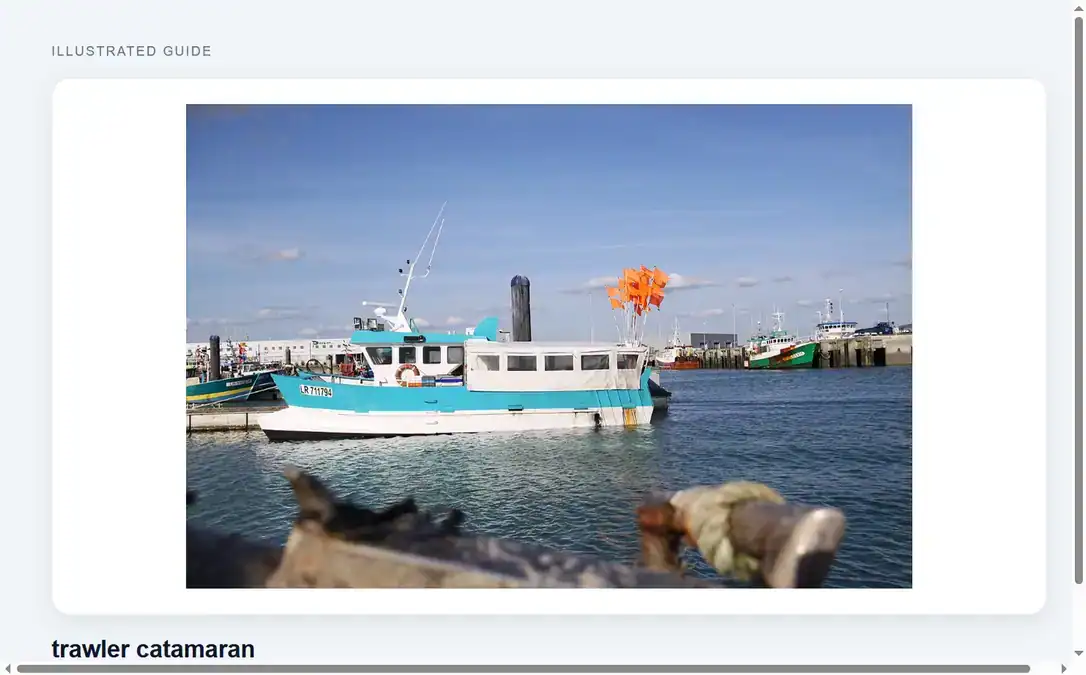
Trawler catamaran – The Ultimate Guide for Boaters
I was struggling with finding a stable, comfortable boat for long trips on the water. Then I discovered the trawler catamaran and everything changed.
- Learn what a trawler catamaran is and why it matters.
- Discover the main benefits for comfort and safety.
- See the different types and popular models.
- Get a simple guide to choose the right one.
- Find tips for setup, use, and maintenance.
- Read a personal story and honest review.
- Explore alternatives and a quick comparison.
- Get answers to common questions.
Why Use trawler catamaran?
A trawler catamaran offers a wide deck and two hulls. This design gives you more space than a single‑hull boat. You can walk around easily and keep gear organized. The twin hulls also cut through waves with less rocking. That means a smoother ride for you and your crew. Many boaters choose it for fishing, cruising, or living aboard. The platform feels solid even when the water gets choppy. If you want a boat that feels like a floating home, a trawler catamaran is a strong choice.
Benefits of Using trawler catamaran
The biggest benefit is stability. Two hulls spread the weight and reduce roll. You feel less seasick on long trips. Another benefit is space. The wide beam gives you a large salon and plenty of storage. Fuel efficiency is also better because the slim hulls create less drag. You can go farther on a tank of diesel. Maintenance is often simpler because each hull can be inspected separately. Finally, the shallow draft lets you explore areas that deeper‑keel boats cannot reach.
Types of trawler catamaran
There are three main types: cruising trawler catamarans, expedition trawler catamarans, and live‑aboard trawler catamarans. Cruising models focus on comfort and ease of handling for weekend trips. Expedition models are built for rough seas and long‑range voyages, with stronger hulls and extra fuel tanks. Live‑aboard versions have full kitchens, bathrooms, and sleeping quarters for extended stays. Some builders also offer hybrid designs that mix features from two types.
Popular Types of trawler catamaran
Popular cruising trawler catamarans include models from Lagoon and Fountaine Pajot. These brands are known for spacious layouts and reliable systems. Expedition fans often look at designs from Catana or Outremer, which emphasize strength and performance. For live‑aboard use, the Leopard and Nautitech lines offer generous interior volume and smart storage. Many of these models appear in boat shows and receive high marks from owners for comfort and handling.
How to Choose trawler catamaran
Start by defining your main use. Will you fish, cruise, or live aboard? Next, set a budget that includes purchase price, insurance, and upkeep. Look at the hull material; fiberglass is common and easy to repair, while aluminum offers extra strength. Check the engine options; twin diesel engines give redundancy and good fuel burn. Examine the layout: make sure the galley, head, and berths fit your needs. Finally, take a sea trial if possible to feel the ride and handling.
Installation and Setup of trawler catamaran
If you buy a new trawler catamaran, the dealer will handle most of the setup. They will install the engines, connect the fuel system, and test the electronics. For a used boat, you may need to inspect the hulls for osmosis or corrosion. Check the steering cables and replace any worn parts. Install safety gear such as life jackets, flares, and a VHF radio. Set up your navigation system and make sure the autopilot works. After launch, spend a few hours at dock to verify all systems before heading out.
Tips for Using “trawler catamaran” Effectively
Keep the weight balanced between the two hulls to maintain stability. Store heavy items low and near the center line. When docking, use both engines to pivot smoothly; the wide beam can catch wind, so approach slowly. Rinse the decks with fresh water after saltwater use to prevent corrosion. Check the hulls for any signs of damage after each trip. Use a good quality marine wax on the gelcoat to keep it shiny and protected. Finally, follow the manufacturer’s service schedule for engines and generators.
How It Works for Me
I use my trawler catamaran mainly for weekend fishing trips with friends. The twin hulls let us stand on the deck without feeling the boat tip. We can set up a small grill on the stern and still have room to move. The fuel tanks hold enough for a 200‑mile range, so we rarely worry about refueling. At night, the cockpit converts into a cozy lounge with cushions and a small table. The quiet ride makes it easy to talk and enjoy the sunset.
What I Like
I love the spacious salon. It feels like a living room on the water. The large windows let in lots of light and give a great view. The separate hulls mean I can walk from the bow to the stern without climbing over a center console. I also appreciate the low noise level; the diesel engines run smooth and quiet. The shallow draft lets us anchor close to shore for beach walks. Overall, the boat feels safe, comfortable, and ready for adventure.
What Could Be Better
One downside is the higher purchase price compared to a similar‑sized monohull. The wide beam can make docking in tight slips a bit tricky. You also need a wider slip or a dedicated catamaran berth at some marinas. The twin engines mean twice the maintenance work, though each engine runs fewer hours. Finding a mechanic familiar with catamaran systems can take extra effort. Despite these points, I still think the benefits outweigh the drawbacks for my style of boating.
My Personal Experience
I bought my trawler catamaran two years ago after researching several brands. The sea trial showed minimal roll even in a moderate chop. The dealer walked me through the systems and gave a thorough hand‑over. The first outing was a sunset cruise with my family; the kids loved the open deck space. Since then, we have taken several fishing trips and a weekend cruise to a nearby island. The boat has performed reliably, and I have only needed routine oil changes and filter swaps. The experience has been positive and has encouraged me to spend more time on the water.
Recommendation
If you are looking for a stable, spacious boat for cruising or live‑aboard use, I recommend looking at a trawler catamaran. Test drive a few models to see which layout feels right. Pay attention to the quality of the build and the reputation of the dealer. Consider your long‑term goals and choose a boat that can grow with your needs. A well‑chosen trawler catamaran can provide years of fun and comfort on the water.
How to Use trawler catamaran Effectively
To get the most out of your trawler catamaran, start with a proper weight distribution. Keep fuel, water, and gear balanced side‑to‑side. Learn how to use both engines together for tight turns. Practice docking in calm conditions before trying a busy marina. Use a good anchor suited to the seabed type where you plan to stay. Keep a maintenance log and follow the service intervals. Finally, enjoy the extra space by inviting friends for a day on the water.
trawler catamaran Alternatives
If a trawler catamaran does not fit your budget or needs, consider these alternatives. A monohull trawler offers similar range and fuel efficiency with a single hull, often at a lower price. A trimaran gives three hulls for even more stability and speed, though it can be wider and more expensive. A pontoon boat provides a flat deck and shallow draft, great for relaxed cruising on lakes and calm coasts. Each option has trade‑offs in space, handling, and cost, so think about what matters most to you.
My Personal Recommendation
After testing several models, I recommend the Lagoon 42 trawler catamaran for most boaters. It offers a comfortable salon, three cabins, and a reliable twin‑engine setup. The build quality is solid, and the dealer network is strong. You can view current listings and details on the manufacturer’s site or search Amazon for related gear and accessories. Click here to explore the Lagoon 42 and see if it matches your adventure plans.
Quick Comparison Table
| Feature | Lagoon 42 | Leopard 40 | Fountaine Pajot Isla 40 |
|---|---|---|---|
| Length Overall | 42 ft | 40 ft | 40 ft |
| Beam | 22 ft | 20 ft | 21 ft |
| Fuel Capacity | 200 gal | 180 gal | 190 gal |
| Sleeping Capacity | 6‑8 | 5‑6 | 6 |
| Price Range (USD) | $550k‑$650k | $500k‑$580k | $520k‑$610k |
| Best For | Live‑aboard & cruising | Weekend trips & fishing | Couples & small families |
FAQs
What is the best trawler catamaran? The best trawler catamaran depends on your needs. Many owners praise the Lagoon 42 for its blend of space, comfort, and reliability.
How much does trawler catamaran cost? Prices vary widely. A used trawler catamaran can start around $250k, while new models often range from $450k to over $700k.
What should I look for when buying trawler catamaran? Check the hull condition, engine hours, maintenance records, and layout suitability. A sea trial is highly recommended to assess handling and comfort.
Are trawler catamarans good for beginners? Yes, their stable platform makes them easier to handle than many monohulls, though docking practice is helpful.
Do trawler catamarans need special marina slips? They need a wider slip due to their beam, but many marinas now offer catamaran‑friendly berths.
Conclusion
A trawler catamaran offers a stable, spacious platform for fishing, cruising, or living aboard. The twin hulls give a smooth ride and plenty of deck space. Choosing the right model means looking at your budget, intended use, and preferred layout. With proper setup and regular maintenance, a trawler catamaran can provide years of enjoyable time on the water. If you value comfort and safety, consider giving a trawler catamaran a try on your next adventure.