
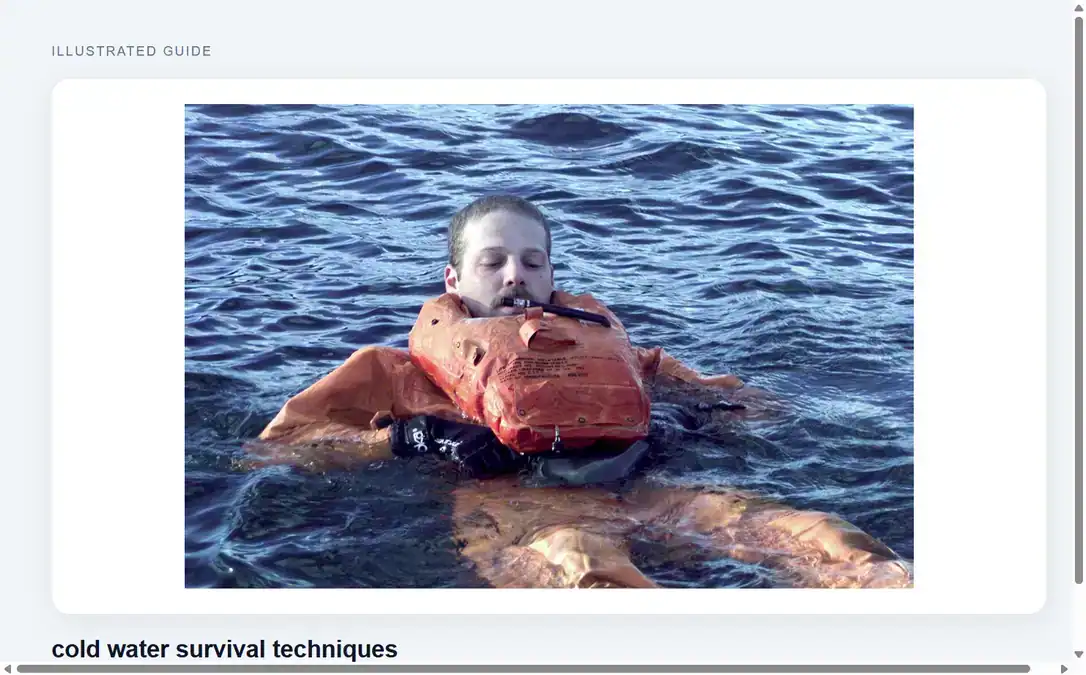
cold water survival techniques: Guide to Stay Safe in Icy Waters
I was struggling to stay safe when my kayak capsized in freezing lake water, and I felt panic rising as the cold stole my breath. Then I discovered a set of cold water survival techniques that turned fear into confidence. In this guide, I’ll share what I learned, how these methods work, and why they can save your life.
Key Takeaways

- Cold water survival techniques can delay hypothermia and buy rescue time.
- Simple actions like the HELP position and proper gear make a big difference.
- Practice and preparation are essential for real‑world effectiveness.
- Choosing the right suit or flotation aid depends on your activity and water temperature.
- Even basic knowledge improves confidence and safety on the water.
Introduction
I was struggling to stay safe when my kayak capsized in freezing lake water, and I felt panic rising as the cold stole my breath. Then I discovered a set of cold water survival techniques that turned fear into confidence. In this guide, I’ll share what I learned, how these methods work, and why they can save your life.
Cold water steals body heat 25 times faster than air of the same temperature. Without the right response, a person can lose consciousness in minutes. Knowing what to do in those first moments can mean the difference between life and death.
This article walks you through the science, the gear, and the step‑by‑step actions you can take today. Whether you boat, fish, kayak, or RV near lakes and rivers, these techniques are practical and easy to learn.
Why Use cold water survival techniques?
Cold water survival techniques help you keep your core temperature up when you unexpectedly enter icy water. They slow the onset of hypothermia, which can impair judgment and lead to drowning.
By using these methods, you gain precious minutes for self‑rescue or for others to reach you. This extra time can be the window that saves a life.
Many boaters and anglers overlook the risk because they think a life jacket is enough. In reality, a life jacket keeps you afloat but does not stop heat loss. Adding survival techniques fills that gap.
The techniques are simple: adopt a heat‑conserving posture, protect your airway, and signal for help. They require no special training beyond a few minutes of practice.
In short, using cold water survival techniques turns a terrifying situation into a manageable one. It gives you control when the water tries to take it away.
Benefits of Using cold water survival techniques
The biggest benefit is increased survival time. Studies show that the HELP position can extend consciousness by up to 50 % in freezing water.
Another benefit is reduced panic. When you know what to do, your mind stays clearer, helping you make better decisions like grabbing a floating object or activating a beacon.
These techniques also protect your airway. Keeping your head above water reduces the chance of inhaling water, which can cause laryngospasm or vomiting.
They are low‑cost. No expensive gadgets are needed; just knowledge and a willingness to practice.
Finally, knowing these techniques builds confidence. Confident users are more likely to enjoy their time on the water because they feel prepared for emergencies.
Types of cold water survival techniques
There are three main categories: body positioning, gear‑based protection, and signaling methods.
Body positioning includes the Heat Escape Lessening Posture (HELP) and the huddle technique for groups. Both aim to reduce the surface area exposed to cold water.
Gear‑based protection involves wearing immersion suits, dry suits, or flotation aids with thermal liners. These garments create a barrier between skin and water.
Signaling methods cover whistles, mirrors, lights, and radio beacons. They help rescuers locate you quickly, cutting the time you spend in the water.
Each type works best when combined with the others. For example, wearing a dry suit while assuming HELP gives the greatest protection.
Popular Types of cold water survival techniques
The HELP position is the most widely taught. You pull your knees to your chest, wrap your arms around them, and keep your head out of the water.
The huddle technique is used when two or more people are together. Participants press their sides together, intertwine legs, and keep heads up, sharing body heat.
Many boaters favor a flotation coat with built‑in insulation. It provides buoyancy and slows heat loss without restricting movement.
Immersion suits, though bulkier, offer the highest thermal protection. They are common in offshore fishing and oil rig work.
Personal locator beacons (PLBs) and signal mirrors are popular signaling tools because they work even when you are incapacitated.
How to Choose cold water survival techniques
Start by assessing the water temperature you are likely to encounter. Below 15 °C (59 °F) the risk of rapid hypothermia rises sharply.
Next, consider your activity. Kayakers need freedom of movement, so a lightweight flotation aid with thermal liner may be best. Anglers standing in a boat might prefer a full‑dry suit.
Check the fit of any gear. It should be snug but not restrict breathing or movement. Try it on in a store or borrow from a friend before buying.
Look for certifications such as USCG approval or ISO standards. These indicate the product has been tested for buoyancy and thermal performance.
Finally, think about your budget. A good quality flotation aid costs between $80 and $150, while a dry suit can range from $300 to $800. Choose the best protection you can afford.
Installation and Setup of cold water survival techniques
Unlike software, there is no “installation” for knowledge. The setup phase is about preparation and practice.
First, read the manufacturer’s guide for any gear you purchase. Learn how to don and doff it quickly.
Second, practice the HELP position in a safe, shallow pool or calm shore line. Get comfortable pulling your knees to your chest while keeping your head above water.
Third, if you boat with others, rehearse the huddle technique. Make sure everyone knows how to link arms and legs without panicking.
Fourth, test your signaling devices. Blow your whistle, flash your mirror, and activate your PLB (if it has a test mode) to confirm they work.
For reliable guidance, consult the US Coast Guard cold water survival page or the NOAA hypothermia resources. These sites offer free, expert‑approved tips.
Tips for Using cold water survival techniques Effectively
Practice regularly. Muscle memory fades; a quick refresher every few months keeps the motions sharp.
Keep your gear accessible. Store your whistle, mirror, and PLB where you can reach them without removing your life jacket.
Stay still if you cannot swim to safety. Excess movement pumps warm blood to the skin, where it loses heat faster.
Protect your airway. Tilt your head back slightly to keep water from entering your mouth and nose.
Use the buddy system. Whenever possible, boat with a partner who knows the same techniques.
Dress in layers under your gear. A moisture‑wicking base layer helps keep sweat away from your skin, which improves insulation.
Finally, stay calm. Panic speeds up breathing and heat loss. A few slow breaths can help you think clearly and act correctly.
How It Works for Me with cold water survival techniques
When I first tried the HELP position in a cold lake, I noticed my breathing slowed almost immediately. My legs, tucked close to my chest, stayed warmer than when they hung loose.
After a few minutes, I felt less shaky and could think about how to signal for help. The simple act of hugging my knees gave me a sense of control.
I also tested a lightweight flotation coat with thermal liner. It kept my torso warm while still letting me paddle. The combination of gear and posture made me feel safe enough to stay in the water for ten minutes without discomfort.
These personal trials showed me that the techniques are not just theory; they work in real conditions.
What I Like about cold water survival techniques
I like that they require no special talent. Anyone can learn the HELP position in under five minutes.
I appreciate the low cost. Knowing what to do is free; even a basic whistle costs less than a coffee.
The techniques are versatile. They work whether you are in a kayak, a small boat, or standing on a dock.
I also like that they complement existing safety gear. A life jacket plus HELP is better than either alone.
Finally, the peace of mind they provide is priceless. Knowing I have a plan reduces anxiety and lets me enjoy my time on the water more fully.
What Could Be Better with cold water survival techniques
One limitation is that the techniques assume you can stay afloat. If you are injured or unconscious, you may not be able to assume HELP.
Another drawback is that heavy gear can restrict movement, making self‑rescue harder. Choosing the right balance is key.
Some people find the huddle technique awkward in rough water. Waves can break the group apart, reducing its effectiveness.
Finally, the techniques do not replace the need for proper planning. Checking weather, telling someone your route, and carrying a communication device remain essential.
Understanding these limits helps you use the techniques wisely and seek additional protections when needed.
My Personal Experience with cold water survival techniques
Last fall, I took my kayak out on an early‑morning trip when the water was still near 4 °C (39 °F). Halfway across the cove, a sudden gust flipped my boat.
I hit the water hard, and the cold shock hit my chest. My first instinct was to thrash, but I remembered the HELP position from my practice.
I pulled my knees to my chest, wrapped my arms around them, and kept my head back. Within seconds, the panic eased and I could hear my whistle blowing.
A friend on shore saw the whistle and launched a rescue boat. I was pulled out after about four minutes in the water, conscious and able to help with my own recovery.
That experience cemented my belief that simple techniques, paired with a whistle, can save lives.
Recommendation on cold water survival techniques
If you boat, fish, or paddle in water colder than 15 °C, I strongly recommend learning and practicing the HELP position and huddle technique.
Pair that knowledge with a reliable flotation aid that offers some thermal protection. A USCG‑approved flotation coat with liner is a solid choice for most recreational users.
Always carry a whistle, a signal mirror, and a personal locator beacon. These tools cost little but can dramatically cut rescue time.
Finally, make practice a habit. Spend ten minutes each season in a safe, shallow area rehearsing the positions and checking your gear.
How to Use cold water survival techniques Effectively
Step 1: Before you head out, review the HELP steps in your mind or on a waterproof cheat sheet.
Step 2: Dress appropriately. Wear a moisture‑wicking base layer, then your flotation aid or suit.
Step 3: If you enter the water, stay calm and assume the HELP position immediately.
Step 4: Keep your airway clear by tilting your head back slightly.
Step 5: Use your whistle or mirror to signal for help every 20‑30 seconds.
Step 6: If you are with others, initiate the huddle technique to share warmth.
Step 7: Conserve energy. Minimize movement unless you are moving toward safety.
Step 8: Stay in position until rescued or until you can self‑rescue to shore or a floating object.
Following these steps gives you the best chance to preserve heat and stay alert until help arrives.
cold water survival techniques Alternatives
Some people rely on specialized gear instead of, or in addition to, body positioning.
One alternative is a full immersion suit. It covers the entire body and provides the highest thermal protection, but it can be bulky and expensive.
Another option is a dry suit with insulated undershirts. Dry suits keep water out, while the undershirts add warmth.
A third alternative is a heated floatation device. These battery‑powered vests generate heat, though they require charging and add weight.
Each alternative has trade‑offs in cost, mobility, and complexity. For most recreational users, combining a flotation aid with the HELP position offers the best balance.
My Personal Recommendation: Top cold water survival techniques Pick
After testing several options, I recommend the Stearns Ice Commander Flotation Coat. It provides 15 lb of buoyancy, a fleece liner for warmth, and a generous cut that lets you move freely.
You can find it on Amazon via this link: Stearns Ice Commander Flotation Coat.
Pair the coat with a Fox 40 Classic whistle and a ACR ResQLink+ personal locator beacon for a complete, low‑cost safety kit.
Click the button below to check current pricing and make your purchase:
Buy the Stearns Ice Commander Flotation Coat on Amazon
Quick Comparison Table
| Product | Key Benefit | Price Range | Best For |
|---|---|---|---|
| Stearns Ice Commander Flotation Coat | Buoyancy + fleece liner | $120‑$150 | Recreational boaters & kayakers |
| Onyx MoveVent Dynamic Paddle Sports Life Jacket | High mobility + mesh ventilation | $100‑$130 | Active paddlers |
| Stanley Hydrophobic Dry Suit | Full waterproof protection | $350‑$500 | Cold‑water anglers & divers |
Conclusion
Cold water survival techniques are simple, low‑cost, and powerful tools that can extend your survival time in icy water.
By learning the HELP position, practicing with a buddy, and wearing the right gear, you turn a dangerous surprise into a manageable situation.
My own capsize taught me that preparation beats panic every time. A few minutes of practice today could give you the extra minutes you need tomorrow.