
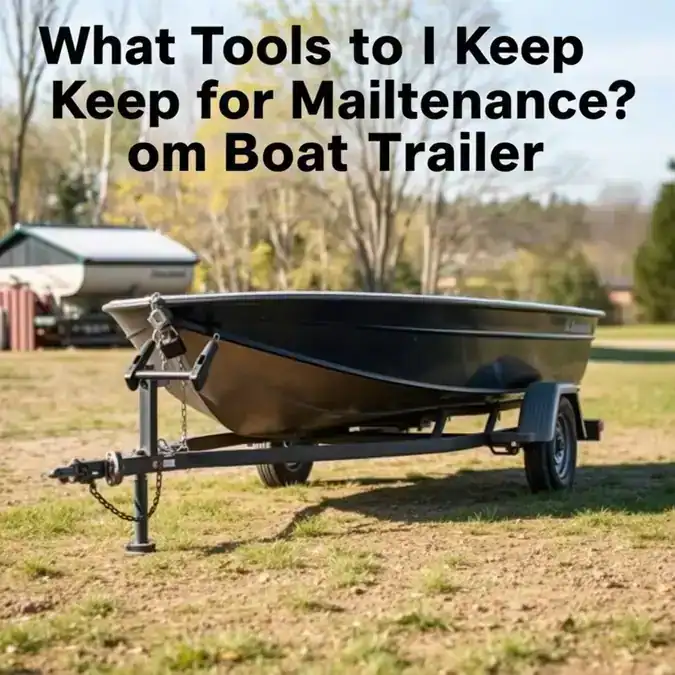
What Tools Should I Keep for Jon Boat Trailer Maintenance?
I was struggling with a rusted trailer axle on a freezing March morning, watching my fishing weekend slip away because I didn’t have the right wrench. Then I discovered the core toolkit that keeps my jon boat trailer ready every season. If you’ve ever stood at the ramp wondering what tools should I keep for jon boat trailer maintenance, this guide walks through the exact gear I carry, why each piece earns its spot, and how to build a kit that fits your budget and skill level.
- Core kit: Lug wrench, torque wrench, jack, jack stands, wheel chocks, bearing grease, grease gun, bearing packer
- Electrical: Multimeter, wire strippers, crimpers, heat-shrink tubing, dielectric grease, spare bulbs and fuses
- Fasteners: Grade-8 bolts, nylock nuts, stainless washers, marine-grade threadlocker, penetrating oil
- Safety first: Wheel chocks, jack stands, gloves, safety glasses, fire extinguisher
- Storage: Waterproof tool bag or box mounted on the trailer tongue
Introduction

That March morning taught me a lesson I never forgot. My buddy’s trailer had a frozen lug nut, and the cheap folding wrench from the auto parts store snapped like a dry twig. We missed the tide. Since then, I’ve refined a toolkit that lives on my trailer tongue year-round. The right tools turn a ramp-side crisis into a ten-minute fix. Below, I’ll share every piece I carry, why it matters, and how to pick quality without overspending.
Why Use What Tools Should I Keep for Jon Boat Trailer Maintenance?

Jon boat trailers take a beating. Saltwater, mud, potholes, and long highway stretches wear bearings, loosen bolts, and corrode wiring. Having the right tools on hand means you catch small issues before they become tow-truck bills. I’ve seen a $15 grease gun prevent a $400 hub replacement. That’s the math that keeps me organized.
Beyond savings, there’s confidence. When you know you can pull a hub, inspect bearings, and re-torque lugs to spec, you launch earlier and stay later. No waiting for a mechanic. No missed fishing windows.
Benefits of Using What Tools Should I Keep for Jon Boat Trailer Maintenance?

- Preventive maintenance: Catch bearing wear, loose U-bolts, and frayed wires before they fail
- Ramp-side repairs: Fix a blown fuse, tighten a loose bunk bracket, or swap a light in minutes
- Cost control: A $200 toolkit pays for itself in one avoided shop visit
- Safety: Proper torque on lug nuts and secure bunks protect your boat and other drivers
- Resale value: A well-maintained trailer with service records sells faster and higher
Types of What Tools Should I Keep for Jon Boat Trailer Maintenance?

Wheel and Hub Tools
Lug wrench (four-way or 1/2-inch drive breaker bar with deep sockets), torque wrench (30-150 ft-lb range), floor jack (2-ton minimum), jack stands (pair, 3-ton rated), wheel chocks (two minimum). These handle tire changes, bearing service, and brake work.
Bearing Service Tools
Bearing packer, marine-grade grease (lithium complex, NLGI #2), grease gun, seal puller, bearing race driver set, dial indicator (optional for runout checks). I pack grease every spring and before long hauls.
Electrical Tools
Digital multimeter (auto-ranging), wire strippers/crimpers, heat-shrink tubing assortment, dielectric grease, butt connectors (marine-grade), spare 4-pin/5-pin/7-pin plugs, fuses, bulbs. Corrosion is the enemy here.
Fastener and Hardware Tools
Adjustable wrenches (8-inch, 12-inch), combination wrench set (SAE 3/8-3/4), socket set (1/2-drive deep impact sockets), Grade-8 bolts/nuts/washers assortment, nylock nuts, stainless flat washers, blue threadlocker, penetrating oil (PB Blaster or Kroil).
Safety and Support Gear
Wheel chocks, jack stands, heavy-duty gloves, safety glasses, shop rags, nitrile gloves, fire extinguisher (Class B), headlamp, zip ties, duct tape, bungee cords.
Popular Types of What Tools Should I Keep for Jon Boat Trailer Maintenance?
All-in-One Trailer Tool Kits
Brands like Performance Tool and Cartman sell pre-packed kits in blow-mold cases. They’re convenient for beginners but often include low-grade sockets that round off. I started with one, then upgraded piece by piece.
Modular Build-Your-Own Approach
Buy a waterproof Pelican case or Plano tackle-style box. Fill it with name-brand tools (GearWrench, Tekton, Klein, Milwaukee). Costs more upfront but lasts decades. This is what I run now.
Minimalist “Get Home” Kit
Lug wrench, adjustable wrench, multi-bit screwdriver, electrical tape, zip ties, spare fuses, wheel chock. Fits in a small dry bag. Good for short trips on maintained roads.
How to Choose What Tools Should I Keep for Jon Boat Trailer Maintenance?
Start with your trailer’s specs. Check lug nut size (usually 1/2-inch or 9/16-inch), bolt patterns, and bearing numbers. Match tools to those specs. Next, consider your skill level. If you’ve never packed a bearing, add a bearing packer and watch a few videos before buying a dial indicator.
Budget matters. A Tekton 1/2-drive torque wrench (~$60) is accurate enough for trailer work. Skip the $300 Snap-on unless you’re a pro. For electrical, a Klein MM400 multimeter (~$50) beats the $15 harbor freight special every time. Buy once, cry once.
Storage dictates size. My tongue box fits a 12-inch adjustable, 1/2-drive ratchet, deep sockets, torque wrench, grease gun, and electrical kit. Measure your space before ordering.
Installation and Setup of What Tools Should I Keep for Jon Boat Trailer Maintenance?
Mount a weatherproof toolbox on the trailer tongue or frame. I use a 14x7x6-inch aluminum diamond-plate box bolted through the frame with Grade-8 hardware. Inside, I use foam cutouts (kaizen foam) so every tool has a home. Shadow boards prevent the “where’s the 13mm socket” dance.
Label compartments: WHEEL, BEARINGS, ELECTRICAL, FASTENERS, SAFETY. Tape a laminated card with torque specs (lug nuts, U-bolts, bunk brackets) inside the lid. Include your bearing part numbers and a mini wiring diagram for your light plug.
Test the kit. Do a full bearing service in your driveway using only what’s in the box. Note missing items. That’s your next shopping list.
Tips for Using What Tools Should I Keep for Jon Boat Trailer Maintenance? Effectively
- Always chock wheels before jacking. I use two chocks, one per side, even on flat ground.
- Break lug nuts loose before lifting. A breaker bar with a cheater pipe saves your back.
- Torque in a star pattern. Three passes: 50%, 75%, 100% of spec.
- Pack bearings until fresh grease exits all rollers. Wipe excess.
- Dielectric grease on every electrical connection. Every single one.
- Penetrating oil needs time. Spray stuck bolts the night before work.
- Inspect tires for sidewall cracks and uneven wear every trip.
- Carry a spare hub assembly if you run long distances. It’s heavy but faster than roadside bearing replacement.
How It Works for Me
My kit lives in that tongue box from March to November. In December, I pull it into the garage for inventory. I check torque wrench calibration (click at 100 ft-lb on a known-good bolt), test the multimeter battery, verify grease gun pumps, and restock fuses and heat-shrink. Takes twenty minutes. Come spring, I’m ready before the first crappie run.
Last July, a bunk bracket bolt vibrated loose on I-40. Pulled over, grabbed the 1/2-drive ratchet and 9/16 socket, blue threadlocker, torque wrench. Five minutes later I was rolling at 70 mph. That’s the system working.
What I Like
- Self-reliance at the ramp and on the highway
- Money saved on shop labor and emergency tow fees
- Teaching my kids to use tools correctly — they’ll own trailers someday
- The satisfaction of a clean, organized kit that’s always ready
- Knowing my bearings are packed to spec, not “good enough”
What Could Be Better
- Weight. A full kit adds 30-40 lbs to the tongue. I offset by moving the battery aft.
- Initial cost. Building a quality kit ran me ~$350. Spread it over a season if needed.
- Space. Small tongue boxes force tough choices. Prioritize wheel, bearing, and electrical.
- Calibration drift. Torque wrenches need annual check. I mark the date on the handle.
My Personal Experience
Fifteen years of jon boat ownership. Three trailers. Two bearing failures (both preventable), one blown tire at 65 mph (scary but controlled), countless loose bunk bolts, and more corroded light plugs than I can count. The toolkit evolved with each lesson. The first trailer got a $40 kit from a big-box store. The current one carries Tekton, Klein, GearWrench, and a Milwaukee grease gun. The difference shows up when it’s 38 degrees, raining, and you need to swap a hub before the tide turns.
I’ve helped three strangers at ramps with tools from my box. One had a stripped lug nut — my impact socket set saved his trip. Another had a severed ground wire — my crimpers and heat-shrink got his lights legal. That’s the unseen value: you become the person who keeps the ramp moving.
Recommendation
Build your kit in phases. Phase 1: lug wrench, torque wrench, jack, stands, chocks, grease gun, marine grease, multimeter, wire strippers, dielectric grease, chocks. Phase 2: bearing packer, seal puller, race driver, socket set, adjustable wrenches, hardware assortment. Phase 3: spare hub, spare light assembly, portable air compressor, thermal camera for bearing temps (nice to have). Buy quality. Organize religiously. Practice in the driveway.
How to Use What Tools Should I Keep for Jon Boat Trailer Maintenance? Effectively
Step-by-Step Bearing Service
- Chock wheels, break lug nuts loose.
- Jack trailer, secure on stands.
- Remove wheel, dust cap, cotter pin, castle nut, washer.
- Pull hub. Inspect races for pitting, discoloration.
- Remove old seals (seal puller), clean bearings in solvent.
- Inspect rollers and cages. Replace if any damage.
- Pack bearings with marine grease (packer or hand).
- Install new seals (race driver), reassemble.
- Torque castle nut to spec, back off 1/6 turn, install cotter pin.
- Reinstall wheel, torque lugs in star pattern.
Electrical Troubleshooting
- Plug in tow vehicle. Turn on parking lights.
- Multimeter on DC volts. Test each pin at trailer plug.
- No voltage? Check tow vehicle fuse, then trace ground.
- Corroded pins? Clean with wire brush, apply dielectric grease.
- Cut damaged wire, strip, crimp butt connector, heat-shrink.
- Test all functions: running, brake, turn, reverse.
What Tools Should I Keep for Jon Boat Trailer Maintenance? Alternatives
Professional Mobile Service
Some areas have mobile trailer techs. Cost: $100-150/hour plus parts. Good if you lack space or physical ability. But you’re on their schedule.
Marina/Dealer Maintenance Plans
Annual packages ($300-600) cover bearings, brakes, lights, inspection. Convenient but you’re paying retail labor rates. I know owners who swear by them.
Roadside Assistance (BoatUS, Good Sam)
Towing coverage for trailer breakdowns. Doesn’t fix the problem on site — just gets you to a shop. Essential backup, not a replacement for tools.
Rental Tool Programs
Auto parts stores rent torque wrenches, bearing packers, slide hammers. Cheap for one-off jobs. Doesn’t help at 6 AM on a holiday weekend.
My Personal Recommendation
If you buy one thing today, make it a 1/2-inch drive torque wrench (30-150 ft-lb) and a four-way lug wrench. Those two tools handle 80% of ramp-side emergencies. Add a grease gun and marine grease next week. Build from there. Check current prices on a reliable torque wrench here — it’s the backbone of the whole system.
Quick Comparison Table
| Feature | Pre-Packed Kit | Modular Build-Your-Own | Minimalist Get-Home Kit |
|---|---|---|---|
| Key Benefit | Convenience, one purchase | Quality, longevity, tailored fit | Low cost, minimal space |
| Price Range | $80-150 | $250-500+ | $40-70 |
| Best For | Beginners, occasional use | Frequent towers, DIYers | Short trips, fair weather |
| Typical Gaps | Low-grade sockets, no torque wrench | Requires research, higher upfront | No bearing service, limited electrical |
| Weight | 15-20 lbs | 30-45 lbs | 5-8 lbs |
| Upgrade Path | Replace pieces as they fail | Add specialty tools over time | Expand to modular eventually |
FAQs
What tools should I keep for jon boat trailer maintenance at minimum?
Lug wrench, torque wrench, jack, jack stands, wheel chocks, grease gun, marine grease, multimeter, wire strippers, dielectric grease, spare fuses and bulbs.
How often should I service trailer bearings?
Every 12 months or 12,000 miles, whichever comes first. Saltwater use means every 6 months or 6,000 miles.
What torque spec for jon boat trailer lug nuts?
Most 1/2-inch studs: 90-100 ft-lb. 9/16-inch studs: 120-140 ft-lb. Always check your hub manufacturer’s spec.
Can I use regular automotive grease on trailer bearings?
No. Use marine-grade lithium complex NLGI #2. Automotive grease washes out and lacks corrosion inhibitors.
Do I need a bearing packer or can I pack by hand?
Hand packing works but a packer ($15-25) ensures even fill and less mess. Worth it if you service annually.
What size sockets for trailer lug nuts?
Typically 3/4-inch (19mm) or 13/16-inch (21mm). Verify yours before buying.
Should I carry a spare tire for the trailer?
Yes. Mounted and inflated. Check pressure monthly. A flat spare is useless.
How do I test trailer lights with a multimeter?
Set to DC volts. Ground probe to trailer frame. Test each pin at the plug with lights activated. Should read 12V on active circuits.
Conclusion
The right toolkit turns trailer maintenance from a gamble into a routine. I’ve laid out every piece I carry, why it earns its spot, and how to build yours without wasting money. Start with the big three — torque wrench, lug wrench, grease gun — then expand as your confidence grows. Your future self, standing at the ramp with a loose bolt or dark light, will thank you. Pack the kit. Practice the skills. Launch on your schedule.