
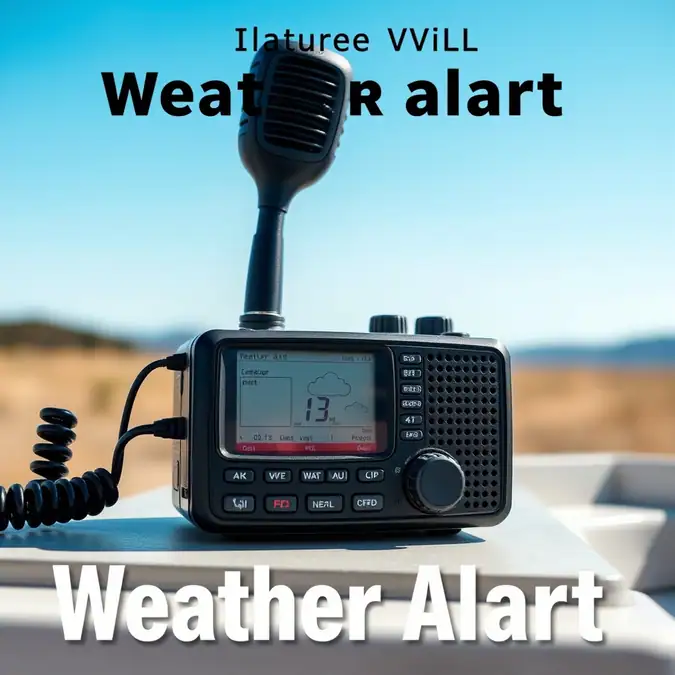
VHF Radio with Weather Alert: Guide for Boaters & Anglers

You are out on the lake, the sky turns gray, and you hear a storm alert on your VHF radio with weather alert. What does that mean for your safety? This guide shows how a VHF radio with weather alert works, why it matters, and what to look for when you buy one. We keep words short and sentences short so a 10‑year‑old can follow. You will learn the basics, the key features, and simple tips to stay safe on water or road. We will also talk about how to use it, how to keep it in good shape, and where to find trusted help. Let’s get started.
How a VHF Radio with Weather Alert Works
A VHF radio sends and receives signals on very high frequency bands. These bands travel line of sight, so they work best over open water. The radio can hear voice calls from other boats or shore stations.
When the radio is set to weather mode, it listens for special NOAA broadcasts. These broadcasts give storm warnings, wind forecasts, and tide info. If a warning is sent, the radio sounds an alarm and shows the message.
You do not need a license to listen to weather alerts. You do need a license to talk on the radio, but many users only need the listen feature.
Ever wondered why the alarm can wake you even if you are asleep? The tone is loud and distinct, made to grab attention fast.
Key Features to Look For
When you shop for a VHF radio with weather alert, focus on these simple points.
- Weather Alert Type – Look for NOAA Weather Radio (NWR) capability. It should tune to the seven NOAA channels.
- Power Output – Handheld units are usually 5 watts. Fixed mount units can be 25 watts. More power means farther range.
- Battery Life – For handhelds, check how many hours the battery lasts on a full charge. Aim for at least 8 hours.
- Water Resistance – Look for an IPX7 rating or better. This means it can survive immersion in water up to 1 meter for 30 minutes.
- Easy Controls – Big buttons and a clear screen help when you are wearing gloves or in rough seas.
- External Antenna Jack – Fixed mounts benefit from an external antenna for better range.
Do you need GPS built in? Some models add GPS to show your position on the screen. This is handy but not required for weather alerts.
Types of VHF Radios with Weather Alert
There are two main styles: handheld and fixed mount. Each fits different needs.
| Type | Best For | Typical Power | Pros | Cons |
|---|---|---|---|---|
| Handheld | Small boats, kayaks, backup on any boat | 5 W | Portable, easy to store, can be used ashore | Shorter range, limited battery life |
| Fixed Mount | Larger boats, cruisers, RV‑towed trailers | 25 W | Longer range, can connect to external antenna, powered by boat battery | Needs installation, not portable |
Which type matches your style? Think about how far you travel and how often you move the radio.
How to Use Your VHF Radio with Weather Alert
Using the radio is simple if you follow a few steps.
- Turn the radio on and set the volume to a comfortable level.
- Select the weather channel (often labeled WX or NOAA).
- Listen for the alert tone. If you hear it, read the message on the screen.
- If you need to call for help, switch to channel 16 (the international distress and calling frequency).
- Speak clearly, say your boat name, your location, and the nature of the problem.
Do you know how to check if the weather function is working? You can tune to a NOAA channel and listen for the regular broadcast. If you hear a steady voice, the weather band is alive.
Remember to keep the radio dry and rinse it with fresh water after saltwater use. Salt can corrode contacts over time.
Maintenance and Care Tips
A little care keeps your VHF radio with weather alert ready for years.
- Rinse the exterior with fresh water after each trip, especially if you were in saltwater.
- Dry the radio with a soft cloth before storing.
- Check the antenna for cracks or loose connections.
- Test the weather alert function once a month.
- Store the handheld in a cool, dry place. Remove the battery if you will not use it for several months.
Have you ever noticed static after a storm? That can be salt buildup. A quick rinse solves it.
Frequently Asked Questions About VHF Radio with Weather Alert
What is the best VHF radio with weather alert for beginners?
A simple handheld with NOAA weather alert, 5 watts power, and an IPX7 rating is a great start. Models from well‑known marine brands often fit this description.
How much does a VHF radio with weather alert cost?
Basic handhelds start around $80. Fixed mount units with more power and features range from $150 to $300. Prices vary by brand and extras.
What should I look for when buying a VHF radio with weather alert?
Check for NOAA weather capability, adequate power output, water resistance, and easy controls. Also consider battery life for handhelds and antenna options for fixed mounts.
Can I use a VHF radio with weather alert on an RV?
Yes. Many RV owners install a fixed mount unit to get weather alerts while parked or on the road. Make sure the antenna has a clear view of the sky.
Do I need a license to listen to weather alerts?
No. Listening to NOAA weather broadcasts does not require a license. You only need a license if you plan to transmit on marine channels.
Now that you know how a VHF radio with weather alert works, what to look for, and how to care for it, you can make a smart choice. Grab your radio, check the weather, and enjoy your time on the water or road with confidence.
1 thought on “VHF radio with weather alert: 6 Tips”