
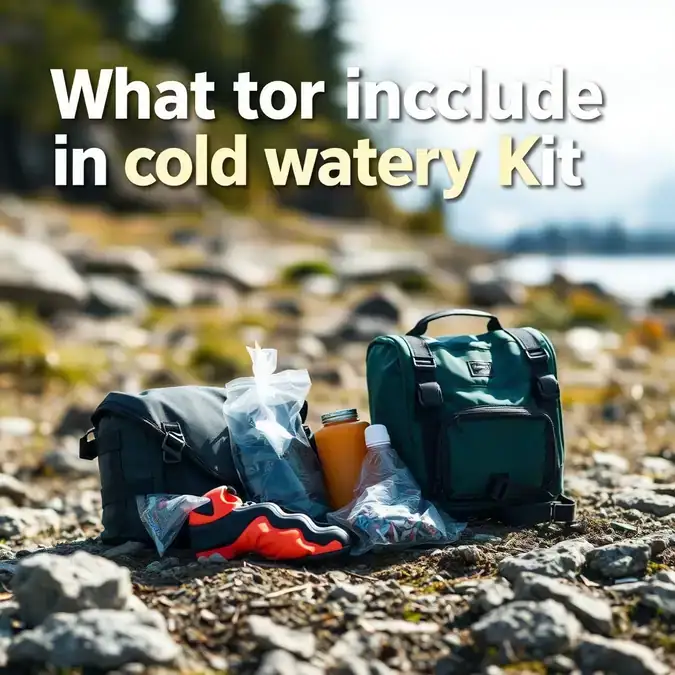
What to Include in a Cold Water Safety Kit: Simple Guide

You are out on a cold lake. The wind picks up. Your boat tips over. You hit icy water. What do you need to stay safe?
This guide shows what to include in a cold water safety kit. It uses plain words and short steps. You can build a kit that fits your boat, kayak, or RV.
Let’s answer the top questions people ask.
What is a cold water safety kit and why do I need it?
A cold water safety kit is a small bag of gear. It helps you stay alive if you fall into icy water.
The kit keeps you warm, visible, and able to call for help.
Cold water can steal body heat fast. You can lose strength in minutes.
Having the right gear buys you time until rescue arrives.
Even strong swimmers can struggle in water below 70°F.
A simple kit can make the difference between life and death.
Think of it as a seat belt for your boat.
You hope you never need it, but you are glad it is there.
Build your kit before you head out on the water.
Check it each trip to make sure everything works.
What to include in a cold water safety kit for beginners
This list shows what to include in a cold water safety kit for a beginner.
The core items are a life jacket, thermal gear, and a signal.
These three give you float, warmth, and a way to be seen.
Add a whistle or mirror for low‑tech signaling.
Include a small knife and a flashlight for tools.
Pack everything in a dry bag that floats.
Keep the bag where you can grab it fast.
Check each item before you go out.
Replace anything that is worn or broken.
A basic kit fits in a small backpack.
You can add more items as you learn what works for you.
How do I choose the right life jacket for cold water?
Pick a life jacket that fits snug but lets you move.
Look for a jacket with at least 15‑lb buoyancy.
Choose a model made for cold water, often called a “float coat”.
Make sure it has a strap that goes between your legs.
Test the jacket in shallow water before you trust it.
If it rides up, tighten the straps or try a size down.
Bright colors like orange or red help rescuers see you.
Reflective tape adds visibility at night.
Replace the jacket if the foam feels hard or cracked.
A good life jacket is the most important piece of your kit.
What thermal gear works best in icy water?
Thermal gear keeps your body heat from leaking out.
A wet suit works if water is above 50°F.
A dry suit is better for water below 50°F.
Choose a suit with sealed seams and snug cuffs.
Layer a fleece or wool shirt under the suit for extra warmth.
Wear a warm hat or hood that stays on in water.
Neoprene gloves protect your hands from cold.
Insulated boots keep your feet from going numb.
Check the suit for tears before each trip.
Replace the suit if the seals leak air or water.
Which signaling devices help rescuers find me?
Sound and light signals work best in fog or rain.
A whistle is loud, light, and never needs batteries.
Blast three short bursts to signal distress.
A small mirror can flash sunlight far away.
A flare or strobe light works at night.
Choose a water‑proof strobe with a long battery life.
Keep signals in a pocket where you can reach them fast.
Test the whistle and mirror before you go out.
Replace old flares that are out of date.
Having two ways to signal gives you a backup.
What tools like knife and flashlight should I add?
A small folding knife helps cut lines or straps.
Choose a knife with a blunt tip for safety.
A flashlight with a red mode saves night vision.
LED lights last long and are bright.
Pack spare batteries in a dry bag.
A multi‑tool can add pliers and a screwdriver.
Keep tools in a small pouch inside your kit.
Rinse them with fresh water after use.
Dry them well to avoid rust.
Replace a tool if the blade is dull or the light is dim.
How do I pack and store my kit?
Use a dry bag that rolls shut and floats.
Place the life jacket on top so you can grab it fast.
Roll thermal gear tightly to save space.
Put signals and tools in side pockets.
Seal the bag and check for leaks.
Store the kit under a seat or in a locker.
Avoid direct sunlight that can damage fabrics.
Check the bag before each trip for wear.
Replace the bag if it tears or no longer seals.
A well‑packed kit is ready when you need it.
How often should I check and replace kit items?
Look over your kit every time you go out.
Check the life jacket for rips or broken buckles.
Test the whistle and mirror for function.
Inspect the thermal suit for leaks or torn seams.
Make sure the flashlight turns on and the batteries are fresh.
Replace any item that shows wear.
Replace flares before their expiration date.
Change batteries at least once a year.
Keep a simple checklist in your kit.
When in doubt, swap it out for new gear.
Are there legal rules for cold water safety gear?
Many states require a life jacket for each person on board.
Some waters have extra rules for cold seasons.
Check the US Coast Guard site for federal rules.
Link: US Boating Safety
State fish and wildlife agencies often post cold‑water guides.
Link: Fish & Wildlife Service
Follow the rules to avoid fines and stay safe.
Even if not required, wear a life jacket in cold water.
Your kit should meet or exceed the minimum standards.
When you travel, check the rules for each state.
Staying legal also means staying safe.
What field hacks make a low‑cost kit work?
You do not need to buy everything new.
Look for used life jackets at swap meets.
Check that they are not damaged and still float.
A dry bag can be a heavy‑duty trash bag sealed with tape.
Use a bright bandana as a signal flag.
A cheap whistle from a dollar store works fine.
Reflective tape from a hardware store adds night visibility.
Layer old fleece shirts under a wet suit for warmth.
Test your DIY gear in shallow water before you trust it.
Keep a notebook of what works and what fails.
Share tips with friends to improve everyone’s kit.
Frequently Asked Questions About Cold Water Safety Kit
- What is the best cold water safety kit for beginners? A simple kit with a life jacket, a dry suit or wet suit, a whistle, a mirror, a knife, and a flashlight in a floating dry bag.
- How much does a cold water safety kit cost? You can build a basic kit for under $100 if you shop sales and used gear.
- What should I look for when buying a cold water safety kit? Look for a USCG‑approved life jacket, sealed thermal gear, water‑proof signals,
2 thoughts on “What To Include In A Cold Water Safety Kit: 5 Things to Know”