
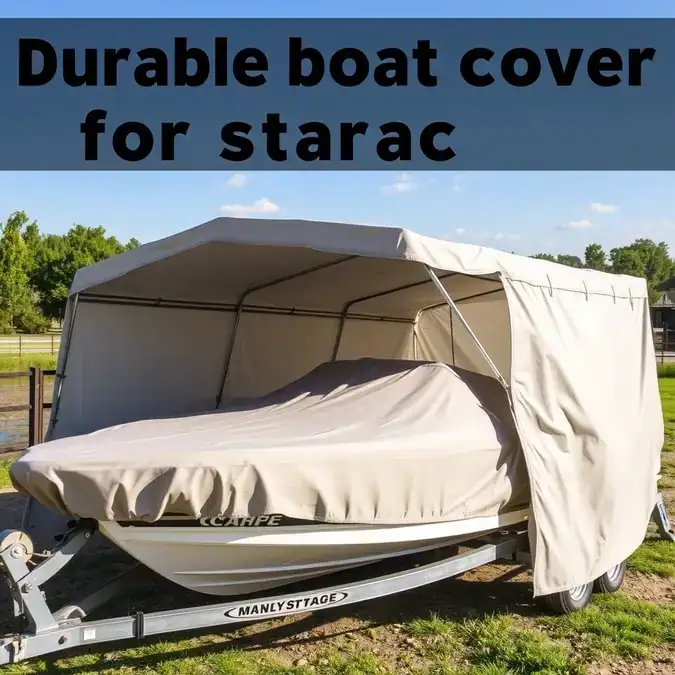
Durable Boat Cover for Storage: Simple Guide to Protect Your Boat

Ever wonder how to keep your boat safe when it sits for weeks? A good cover stops sun, rain, and dirt from hurting your hull. This guide shows you what to look for, how to pick the right size, and how to care for it. You will learn easy steps that work for any boat.
What Is a Durable Boat Cover for Storage?
A boat cover is a big sheet that fits over your boat. It shields the boat from weather and dirt while it is stored. The best covers are made strong enough to last many seasons. They are called durable because they do not tear easy.
Think of a cover as a raincoat for your boat. It keeps water off the deck and stops UV rays from fading the paint. When you store your boat for winter or a long trip, a good cover saves you money on repairs.
Ever had a cover flap in the wind and scratch the gelcoat? A well‑fit cover stays tight and stops that problem. Let’s look at why a good cover matters.
Why You Need a Good Cover for Storage
Sun can break down boat gelcoat and fade colors. Rain can seep into seams and cause mildew. Dust and bird droppings can stain the surface. A strong cover blocks all of these.
Without a cover, you may spend hours cleaning before each launch. You might also find small cracks that grow over time. A cover reduces that work and keeps your boat looking new.
What happens if you skip the cover? You risk costly repairs and lower resale value. A simple cover is a cheap way to protect a big investment.
Types of Materials Used
Boat covers come in three main fabrics. Each has pros and cons. Let’s compare them in a simple table.
| Material | Pros | Cons |
|---|---|---|
| Polyester | Light, cheap, resists mildew | Less UV protection, can tear |
| Canvas | Strong, breathable, feels classic | Heavy, needs waterproofing |
| Vinyl coated polyester | Waterproof, UV resistant, tough | Can trap moisture if not vented |
Which one feels right for your boat? Think about your climate and how long you store the boat.
If you live in a sunny area, vinyl coated polyester gives the best sun block. If you need a light cover for short trips, polyester works fine. Canvas is great if you want a natural look and can treat it for water.
Key Features to Look For
Not all covers are equal. Look for these traits to get a durable boat cover for storage.
- UV protection – stops sun damage.
- Waterproof coating – keeps rain out.
- Ventilation – lets moisture escape.
- Reinforced corners – stops tearing.
- Tie‑down loops – holds cover tight.
- Adjustable straps – fits many hull shapes.
Do you need a cover with a pole system? Poles keep the cover off the boat so water does not pool. Some covers have built‑in poles; others need you to add them.
What about size? A cover that is too small will stretch and tear. One that is too big will flap in the wind. Next we learn how to measure.
How to Measure Your Boat
Measure the width at the widest point (usually the beam). Measure the length from the tip of the bow to the stern. Write these numbers down.
Add a few inches to each measurement for overlap. Most makers suggest 6‑12 inches extra on each side. This gives room for tie‑downs and a snug fit.
Check the maker’s size chart. Match your numbers to the closest size. If you fall between sizes, choose the larger one for better coverage.
Ever bought a cover that seemed right but sagged in the middle? Proper measurement stops that problem.
Installing and Using the Cover
Start with a clean boat. Remove any dirt, salt, or debris. A dirty surface can wear the cover faster.
Drape the cover over the boat. Align the front and rear edges. Pull the cover down so it sits evenly.
Fasten the tie‑down loops to sturdy points on the trailer or dock. Use ropes or straps that will not slip. Tighten until the cover is firm but not overstretched.
If your cover has vents, make sure they are open. This lets air move and stops mildew.
Check the cover after the first night. Look for loose spots or water pooling. Adjust straps as needed.
What if wind gets under the cover? Add extra straps or use a weighted bag on the edges.
Care and Maintenance Tips
A cover lasts longer if you treat it well. Rinse it with fresh water after each use. Salt and dirt can break down the fabric.
Let the cover dry fully before folding it. Storing a wet cover invites mold.
Inspect the seams and loops every month. Fix small tears with a patch kit made for the fabric.
When the season ends, fold the cover loosely. Store it in a cool, dry place out of direct sun.
Do you need to reapply waterproofing? Some fabrics lose their coating after a year. Follow the maker’s guide for re‑treatment.
What about UV spray? A light UV protectant spray can add extra sun block.
Cost and Where to Buy
Price depends on size, material, and features. A small polyester cover may cost $50‑$80. A medium vinyl coated polyester cover runs $120‑$200. A large canvas cover with poles can be $250‑$400.
Remember, a cheap cover that tears fast costs more in the long run. Spend a little more for strong stitching and good UV protection.
Where can you buy? Marine stores like West Marine have many options. Online shops such as Amazon and BoatUS also list covers with reviews.
Outbound links for more detail:
Frequently Asked Questions About Durable Boat Cover for Storage
What is the best durable boat cover for storage?
The best cover matches your boat size, uses UV‑protected vinyl coated polyester, and has strong tie‑down loops. Check reviews for your boat model.
How much does durable boat cover for storage cost?
Expect to pay $50 for a small basic cover and up to $400 for a large, feature‑rich cover. Price grows with size and added vents or poles.
What should I look for when buying a durable boat cover for storage?
Look for UV protection, waterproof coating, ventilation, reinforced corners, and adjustable straps. Make sure the size fits your boat with a few inches of overlap.
Can I use a regular tarp as a boat cover?
A tarp can work short term but often lacks UV protection and proper fit. It may flap and scratch the hull. A made‑for‑boat cover is safer.
How often should I clean my boat cover?
Rinse it with fresh water after each use. Deep clean with mild soap once a month or when you see dirt buildup.
Final thoughts: A good boat cover is a simple way to keep your boat looking great and ready for the next adventure. Measure well, pick strong features, and care for the fabric. Your boat will thank you with fewer repairs and more fun on the water.