
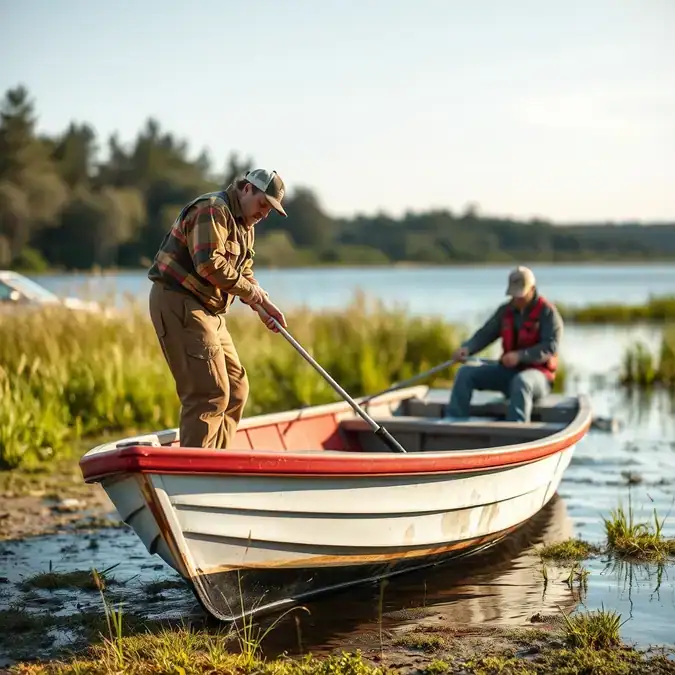
When to Call for Help with a Leaking Jon Boat: Easy Guide

You are out on the lake. Your jon boat starts to take on water. You feel the hull shake. You wonder if you can fix it alone. You ask: when to call for help with a leaking jon boat? This guide shows clear signs. It tells you when to try a fix. It tells you when to radio for aid. You will learn simple steps. You will learn what gear to keep. You will stay safe on the water. Read on for real‑world tips that work.
When should I call for help with a leaking jon boat?
Call for help if water rises fast inside the boat. If you see more than a cup of water per minute, act fast. Do not wait until the boat feels unstable.
If you are far from shore and the leak does not stop, call for help. Your safety matters more than a quick fix. Use your radio or phone to reach rescue.
When you feel the boat list to one side, that is a sign of trouble. A leaning boat can tip over. Call for help before it gets worse.
If you have tried a patch and water still comes in, call for help. A patch that fails means the leak is bigger than you can handle.
When you are alone and feel scared, call for help. Fear can lead to mistakes. A calm voice on the radio can guide you.
If you lack the right tools to fix the leak, call for help. Trying to fix with the wrong gear can waste time and make things worse.
When the weather turns bad and the leak continues, call for help. Storms can swamp a boat fast. Get aid before conditions worsen.
If you notice fuel or oil mixing with the water, call for help. This can create a fire risk. Professionals can handle hazardous spills.
When you are not sure how bad the leak is, call for help. It is better to be safe than sorry. A quick check by experts can save your boat.
Remember, calling for help is not a failure. It is a smart move that keeps you and your crew alive. Keep your radio charged and ready.
What are the first signs my jon boat is leaking?
Look for water pooling on the floor. Even a thin layer means water is getting in. Check after each trip.
Listen for a hissing or dripping sound. Small leaks often make a quiet noise near seams or rivets.
Feel the hull for soft spots. A soft area can mean water has soaked the wood or foam underneath.
Smell for musty odors. Wet wood or foam smells damp and old. This can hint at hidden water.
Watch the bilge pump. If it runs more often than usual, water is entering the boat.
Check the transom and seams for rust or corrosion. Metal that looks flaky can let water in.
Look at the paint or coating. Bubbles or cracks can show where water is pushing through.
Notice if the boat sits lower in the water than normal. A heavier boat means extra weight from water.
Feel for cold spots on the hull. Cold areas can be where water is touching the metal or wood.
Ask a buddy to look while you move the boat. A second set of eyes can spot leaks you miss.
How can I tell if the leak is small or big?
Small leaks let in less than a cup of water per hour. You may barely notice the bilge pump running.
Big leaks pour in several cups per minute. You will see water rising fast and hear loud splashing.
Do a bucket test. Place a bucket under the suspected spot and time how fast it fills.
If the bucket fills in under five minutes, the leak is big. If it takes over an hour, it is likely small.
Check the boat’s angle. A big leak will make the boat list noticeably within minutes.
A small leak may only cause a slight tilt after hours on the water.
Look at the size of the hole you can see. A pinhole is small; a gap the size of a coin is bigger.
Feel the pressure of the water spray. A strong jet means a larger opening.
Consider how long you can stay afloat without pumping. If you can last a day, the leak is small.
If you need to pump constantly just to stay afloat, treat it as a big leak and call for help.
What tools should I keep on board for a quick fix?
Keep a marine‑grade epoxy putty. It sticks to wet surfaces and cures fast.
Carry a roll of waterproof tape. Self‑fusing silicone tape works well on small holes.
Have a small tube of marine sealant. Choose one that cures underwater if possible.
Pack a set of stainless steel screws and washers. They can hold a patch in place.
Bring a handheld drill with a short bit. You can make pilot holes for screws.
Store a piece of fiberglass cloth. It reinforces epoxy patches on larger gaps.
Keep a pair of gloves. Protect your hands from chemicals and sharp edges.
Have a small bucket or bailer. You can remove water while you work.
Carry a flashlight or headlamp. You need light to see inside dark compartments.
Put a multi‑tool or knife in your kit. It helps cut tape, cloth, or rope.
Can I use tape or sealant as a temporary patch?
Yes, waterproof tape can stop a small leak for a short time. It works best on clean, dry surfaces.
Self‑fusing silicone tape bonds to itself and creates a tight seal. Wrap it tightly around the hole.
Marine sealant can fill small cracks and seams. Apply it with a caulking gun and smooth it.
Epoxy putty is stronger than tape. Knead it, press it into the leak, and let it cure.
Tape alone may fail under pressure or waves. Use it as a first step, then add putty or sealant.
If the leak is big, tape will not hold. You need a mechanical patch or professional help.
Always test your patch by gently spraying water on it. Watch for any seepage.
Keep an eye on the patch for the next hour. If water returns, reapply or call for help.
Remember, temporary fixes are just that—temporary. Plan to get a proper repair soon.
Never rely on tape alone for a long trip or rough water.
What safety steps should I take before trying to fix it?
Put on a life jacket before you start working. Safety first, even if you feel fine.
Make sure the boat is anchored or tied to a dock. You do not want it drifting while you work.
Turn off the engine and remove the key. Prevent accidental starts.
Check for fuel leaks. If you smell gasoline, move away and call for help.
Ventilate the area if you are using sealants or epoxy. Some fumes can be harmful.
Keep a fire extinguisher nearby. Some chemicals can ignite if exposed to sparks.
Have a whistle or horn ready to signal if you need assistance.
Work with a buddy if possible. One can hold tools while the other applies the patch.
Stay low in the boat to keep your balance. Moving around can worsen a leak.
If you feel dizzy or tired, stop and rest. Fatigue leads to mistakes.
How do I radio for help on the water?
Turn on your VHF radio and set it to channel 16. This is the distress and calling channel.
Press the transmit button and say clearly: “Mayday, Mayday, Mayday.”
Give your boat name, location, and the nature of the emergency.
State how many people are on board and if anyone is injured.
Listen for a response. Keep the channel open for instructions.
If you do not have a VHF, use a cell phone to call 911 or the local coast guard.
Give them the same details: boat name, location, and problem.
Stay calm and speak slowly. Clear words help rescuers find you faster.
Keep the radio on after you finish talking. Rescuers may need to reach you again.
If you have a flare or signal mirror, use it to help them spot you.
Remember, a radio call can save lives. Keep your gear charged and tested.
When is it safer to tow the boat to shore instead of fixing?
If the leak is getting worse despite your patches, tow to shore.
When you are far from help and the weather is turning bad, head for land.
If you are taking on water faster than you can bail, it is time to tow.
When you feel the boat becoming unstable, do not stay out. Get to safety.
If you lack the right tools to make a solid repair, tow and fix on land.
When you are alone and feel uneasy, it is smarter to tow than to risk it.
If the leak is near the fuel tank, tow to avoid fire risk.
When darkness falls and you cannot see the leak well, head for shore.
If you have a working tow line or a friend with a boat, use it.
Always wear life jackets while being towed. Stay seated and hold on.
How do I prevent leaks in my jon boat?
Inspect the hull before each trip. Look for cracks, loose rivets, or worn seals.
Keep the boat clean and dry after use. Moisture speeds up corrosion and rot.
Apply a fresh coat of marine paint or sealant every year. This protects the surface.
Check the transom bolts and tighten them if they are loose.
Replace old or cracked hoses and fittings. Old rubber can split and leak.
Use a boat cover when the boat is stored outside. It keeps rain and debris out.
Avoid hitting rocks or logs at high speed. Impacts can cause hidden damage.
Store the boat on a trailer or lift that lets air flow underneath.
Check the bilge pump regularly. Make sure it runs freely and the battery is charged.
Keep a spare set of plugs and gaskets for the drain.
What should I do after the leak is stopped?
Let the patch cure fully before putting weight on the boat. Follow the product’s time guide.
Check the area again after the first hour on the water. Look for any new seepage.
Clean up any spilled sealant or epoxy. Dispose of rags according to local rules.
Log the repair in your boat notebook. Note what you used and where the leak was.
Plan a full inspection at the next shore stop. A temporary fix may need a stronger patch.
Watch the bilge pump for the next few trips. It should run less often now.
If the leak returns, do not ignore it. Treat it as a new problem and check again.
Share what you learned with fellow boaters. Helping others keeps everyone safer.
Enjoy your time on the water, but always keep your safety gear ready.
Remember, a well‑maintained boat leaks less and lasts longer.
Frequently Asked Questions About When to Call for Help with a Leaking Jon Boat
What is the first sign I should call for help? If water rises faster than you can bail or the boat leans, call for help right away.
Can I fix a leak with just tape? Tape can stop a tiny leak for a short time, but add epoxy or sealant for a stronger hold.
How do I know if my bilge pump is working? Listen for a smooth hum when you turn it on and see water discharge over the side.
Should I wear a life jacket while fixing a leak? Yes, always wear a life jacket when you are on or near the water, even during repairs.
What is the best way to prevent future leaks? Rinse the boat after each use, inspect seams often, and keep the hull coated with marine sealant.
Final Thoughts
The most important thing is to know when to call for help with a leaking jon boat. Trust your gut and act fast to stay safe. Share this guide with friends and enjoy many dry trips ahead.