
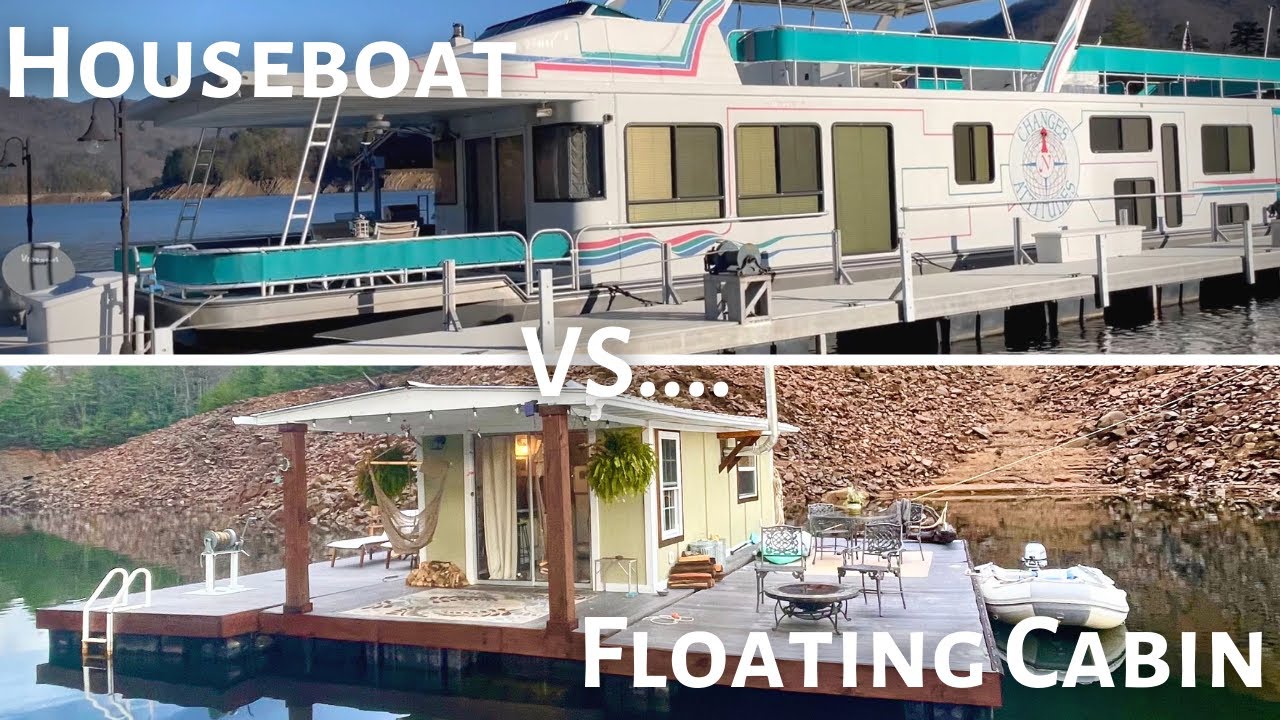
Houseboat vs Boathouse: Key Differences and What They Mean for Your Water Lifestyle
If you’re trying to decide between a houseboat vs boathouse, understanding the fundamental differences can save you time, money, and frustration. Many outdoor enthusiasts and waterfront property owners use the terms interchangeably, but they serve very different purposes. A houseboat is a vessel designed for living aboard, often with mobility and self-contained systems. A boathouse, by contrast, is primarily a storage or utility structure for boats, typically fixed on shore or pilings. This article breaks down what each option really means, how they differ in use, cost, maintenance, and regulations, and helps you determine which fits your lifestyle.
What Exactly Is a Houseboat?
A houseboat is a floating residential structure built on a hull or pontoon system. Unlike a traditional boat, it is designed as a permanent or semi-permanent dwelling, often equipped with a kitchen, bathroom, sleeping areas, and climate control. Houseboats may be stationary, moored in a marina, or capable of slow movement under their own power or via tow. They come in various layouts, from compact weekend models to multi-level luxury floating homes. Because they function as residences, houseboats are subject to different zoning, safety, and registration requirements than recreational vessels.
Key features often include:
- Self-contained plumbing, electricity, and heating systems
- Insulated hulls for year-round comfort
- Options for inboard or outboard propulsion, or no propulsion at all
- Mooring in designated houseboat communities or marinas
- Registration as a vessel or as residential real estate, depending on jurisdiction
What Exactly Is a Boathouse?
A boathouse is a building designed to house one or more boats, provide covered storage, and sometimes include space for maintenance, gear, or small living quarters. Boathouses are typically fixed structures built on pilings over water, on shoreline lots, or as part of a marina complex. Their primary purpose is protection of watercraft from weather, UV exposure, and debris, not residential living. Some boathouses include small offices, changing areas, or limited sleeping space, but they are not intended as full-time homes.
Common characteristics include:
- Open or enclosed storage areas for boats, kayaks, or gear
- Elevated or on-grade construction depending on water level fluctuations
- Access from land or via dock
- Utilities such as electricity for battery chargers, lighting, or small appliances
- Often built as permanent structures subject to local building codes
Core Differences at a Glance
| Aspect | Houseboat | Boathouse |
|---|---|---|
| Primary purpose | Residential living aboard | Boat storage and protection |
| Mobility | May be under power, tow, or stationary | Fixed structure, no mobility |
| Utilities | Full home systems (water, power, heat) | |
| Zoning and regulations | Vessel registration or residential real estate laws | |
| Cost profile | Higher initial cost, ongoing mooring fees, utilities, maintenance | Lower build or purchase cost, land or marina fees, minimal utilities |
Understanding these distinctions helps clarify why the choice often comes down to whether you want to live on the water or simply keep your boats protected and accessible.
Living on a Houseboat: Realities, Benefits, and Limitations
Houseboat living appeals to those who want a close connection to the water without sacrificing the comforts of home. Residents often enjoy reduced property taxes compared to land-based homes, a smaller ecological footprint, and the ability to relocate within a marina or permitted area. However, the lifestyle comes with practical considerations.
Winterization is a significant factor in colder climates. Hulls must be insulated, pipes drained or heated, and systems protected from freezing. Marina fees vary widely by location, amenities, and whether the slip includes electricity, water, and waste pump-out services. Waste management is regulated; most marinas require approved holding tanks and scheduled pump-outs, and discharging untreated sewage into waterways is prohibited in most jurisdictions.
Another consideration is stability. Houseboats ride on water, which means they shift with tides, currents, and weather. Mooring lines must be inspected regularly, and some owners install automatic winches or tide systems to maintain proper tension. Electrical systems require marine-grade wiring and grounding to prevent corrosion and ensure safety.
Despite these challenges, many residents report high satisfaction with the lifestyle, citing a strong sense of community in houseboat neighborhoods and the unique experience of waking up on the water each day.
Using a Boathouse: Storage, Access, and Practical Considerations
Boathouses serve a different primary function: keeping boats, paddles, life jackets, and outdoor gear dry, secure, and ready for use. They are popular among recreational boaters who do not wish to live aboard but want convenient water access. A well-designed boathouse can extend the life of a vessel by shielding it from rain, snow, and sun, which reduces hull degradation, paint fading, and interior wear.
Location and elevation are critical. Water levels fluctuate seasonally and with rainfall, so boathouses must be built to accommodate high and low water marks. Pilings driven into the bottom provide stability in areas prone to flooding, while on-grade construction may be suitable where water levels are stable. Dock length and orientation affect how easily a boat can be moved in and out, especially in tight spaces.
Many boathouses include secondary features such as workshop areas for minor maintenance, gear storage for fishing equipment, or changing rooms. Some property owners use boathouses as weekend retreats or rental cabins, but it is important to verify local zoning laws, as residential use may not be permitted on structures classified solely as boat storage.
Costs for boathouses depend on size, materials, and whether they are prefabricated or custom-built. Wooden pilings, pressure-treated framing, and metal roofing are common choices for durability in wet environments. Regular inspection of structural members, fasteners, and roofing is necessary to prevent rot, rust, or storm damage.
Legal, Regulatory, and Zoning Factors
One of the most important steps in choosing between a houseboat and a boathouse is researching local regulations. Because the two structures fall under different legal categories, requirements can vary significantly even within the same region.
Houseboats may be registered as vessels with the coast guard or state boating authority, or they may be assessed as residential real estate if permanently moored and connected to utilities. This classification affects property taxes, insurance, and permitted usage. Some areas have specific houseboat communities with membership requirements, while others allow individual mooring with a permit.
Boathouses are typically subject to local building codes, zoning ordinances, and waterbody protection laws. Setback requirements dictate how close a structure can be to the shoreline, and environmental regulations may limit impervious surfaces to protect water quality. Permits often involve review by planning departments, water management districts, or historical preservation societies, especially in sensitive areas.
Before purchasing or constructing either structure, consult with local authorities, a marine surveyor, or a land-use attorney. Understanding the legal framework upfront prevents costly modifications or legal disputes later.
Maintenance, Care, and Long-Term Upkeep
Both houseboats and boathouses require regular maintenance, but the focus and frequency differ.
Houseboat maintenance includes hull cleaning, anti-fouling paint application, engine servicing (if equipped), electrical system checks, and interior upkeep such as plumbing repairs and flooring inspection. Because houseboats are continuously exposed to water and humidity, mold prevention is an ongoing concern. Ventilation, dehumidifiers, and regular cleaning help maintain a healthy interior environment.
Boathouse maintenance centers on structural integrity, roofing, and protection of stored assets. Wooden components should be inspected for rot, metal fasteners for corrosion, and roofing for leaks. Keeping the interior dry and well-ventilated prevents damage to boats and gear stored inside. Some owners apply moisture barriers or dehumidifiers, especially in humid climates or during off-season storage.
Seasonal preparation is essential for both. In colder regions, houseboats must be winterized to prevent freeze damage, while boathouses may need snow load assessments and ice damage prevention. In warmer climates, UV protection, pest control, and algae management become primary concerns.
Common Mistakes and How to Avoid Them
Many first-time buyers or builders encounter avoidable setbacks. Here are the most frequent mistakes and practical ways to prevent them.
- Assuming all waterfront property allows residential structures. Always verify zoning and permit requirements before purchasing land or committing to a design. Contact the local planning department and, if applicable, the coast guard or waterway management authority.
- Underestimating total cost of ownership. Beyond the purchase or build price, factor in mooring fees, utility connections, insurance, routine maintenance, and potential upgrades. Create a multi-year budget to avoid surprise expenses.
- Ignoring water level fluctuations. If you choose a fixed boathouse or a moored houseboat, research historical high and low water levels at your site. Structures not adequately elevated can suffer flood damage or become difficult to access.
- Skipping professional inspections. A marine surveyor can assess hull condition, systems, and compliance for houseboats. A structural engineer or experienced contractor should evaluate boathouse plans for safety and code compliance.
- Overlooking waste and utility logistics. Houseboat owners must plan for pump-out schedules, freshwater supply, and power sources. Boathouse users should confirm available electricity and whether marine battery charging infrastructure is present.
Safety First: Water, Weather, and Emergency Preparedness
Safety considerations differ between the two options but are equally important.
For houseboat residents, life jacket availability, fire extinguishers, and carbon monoxide detectors are essential. Marine-grade smoke detectors and gas detectors provide early warning in confined spaces. Emergency plans should include communication methods (VHF radio, cell phone signal reliability), knowledge of nearby rescue resources, and practice drills for man-overboard or flooding scenarios.
Boathouse safety focuses on secure storage, stable construction, and safe access. Non-slip decking, adequate lighting, and well-maintained stairs or ladders reduce fall risks. If the boathouse includes electrical systems, ground-fault circuit interrupters (GFCIs) and proper wiring prevent shock hazards. Keep flammable materials, fuel, and batteries stored according to local fire codes.
Both setups benefit from weather monitoring. Storms can shift moorings, cause flooding, or damage structures. Having a plan for securing lines, closing hatches, and evacuating people or pets is a responsible practice.
Choosing the Right Option for Your Situation
The decision between a houseboat and a boathouse ultimately hinges on your primary goal. If you envision living aboard, enjoying waterfront sunrises as part of daily life, and are comfortable with the maintenance and regulatory landscape of floating residences, a houseboat may be the right fit. If your aim is to protect your investment in boats, keep gear organized, and have convenient water access without residing on the water, a boathouse offers a practical, often more affordable solution.
Consider your long-term plans, budget, tolerance for maintenance, and the specific waterbody’s regulations. Speaking with current houseboat owners, boathouse builders, and local authorities provides real-world insights that specifications and brochures cannot match. Whichever path you choose, thoughtful planning and respect for the water and its regulations will enhance your experience for years to come.
Frequently Asked Questions
Can a boathouse be used as a permanent residence?
In most jurisdictions, a boathouse is classified as accessory storage structure and is not permitted for permanent residential use. Building codes and zoning laws typically require a primary dwelling to be on stable ground with proper utilities. If residential use is desired, a houseboat or floating home designed for living should be considered instead. Always check local regulations before assuming usage rights.
Do houseboats hold their value like traditional homes?
Houseboat value retention depends on many of the same factors that affect traditional real estate: location, condition, amenities, and demand. However, because houseboats are also subject to vessel depreciation and marina fee changes, resale value can fluctuate differently than land-based homes. Proper maintenance, upgrades to systems, and mooring in desirable locations help preserve value over time.
What are the main insurance differences between a houseboat and a boathouse?
Houseboat insurance typically combines elements of homeowners and marine insurance, covering the structure, personal property, liability, and sometimes propulsion systems. Boathouse insurance is often a form of property insurance that covers the structure and its contents, such as stored boats or gear, and may include liability coverage. Coverage limits, deductibles, and eligible perils vary by insurer and jurisdiction, so obtaining quotes specific to your setup is recommended.
Can I live on a houseboat year-round in cold climates?
Yes, but it requires careful winterization and often additional investments in insulation, heating systems, and freeze protection. Some houseboat communities in northern regions are designed for four-season living, with insulated hulls, heated holding tanks, and reliable power sources. Residents must also monitor weather closely and be prepared to relocate or secure the vessel during severe storms.
Are there environmental concerns associated with houseboats or boathouses?
Both can impact water quality if not managed responsibly. Houseboats must prevent sewage discharge, fuel spills, and anti-fouling paint runoff. Boathouses can contribute to shoreline alteration and habitat disruption if not built according to erosion control and setback guidelines. Choosing eco-friendly materials, maintaining systems, and following best practices minimize environmental footprint for either option.
Do I need a captain’s license to operate a houseboat?
Requirements vary by state and vessel size. Many houseboats are non-propelled or have low-horsepower engines, which may not require a license for casual operation. However, if the houseboat is equipped with a significant engine or intended for navigation in open water, a state-approved boating safety course or license may be required. Check your local boating authority’s guidelines.
What is the typical lifespan of a houseboat versus a boathouse?
With proper maintenance, a well-built houseboat hull can last 30 to 50 years or more, though major system upgrades may be needed every 10 to 20 years. A quality boathouse constructed with durable materials and maintained regularly can easily last 50 years or longer, as it is not subject to the constant water exposure and mechanical stress that a floating vessel endures.