
Getting Started with Houseboat vs. Boathouse: What’s the Difference?
Quick answer: A houseboat is a boat you can live on and often drive. A boathouse is a building you park your boat inside, usually on land or a dock.
If you’re new to waterfront living, the terms “houseboat” and “boathouse” sound similar but mean very different things. Getting this right early saves money, avoids zoning headaches, and helps you pick the right lifestyle. This guide breaks down what each is, how they differ, and what to consider before choosing one.
What Is a Houseboat?
A houseboat is a floating home built on a boat hull. It is designed to be lived in and often moves under its own power. Most houseboats have engines, steering, and basic navigation lights.
They range from simple plywood cabins on pontoons to luxury yacht-style homes with multiple bedrooms, full kitchens, and air conditioning.
Key Features of a Houseboat
- Movable under its own power
- Living space built into the hull or deck
- Engine(s) for propulsion
- Freshwater tanks, holding tanks, and electrical systems
- Must follow marine safety rules and registration
What Is a Boathouse?
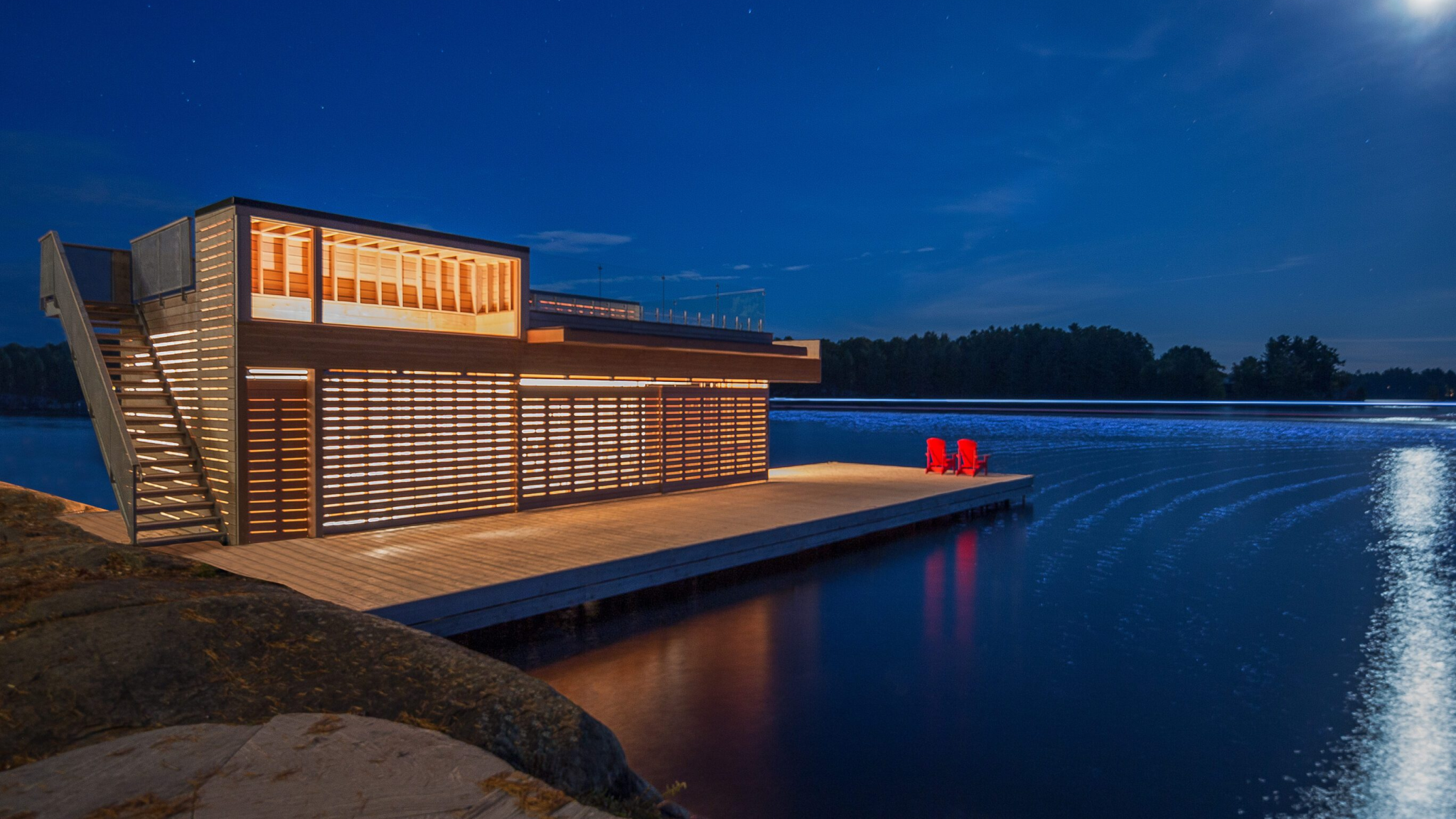
A boathouse is a structure built along a shoreline or pier. It holds boats, gear, and sometimes storage. Think of it as a garage for your boat.
Some boathouses include a second story used as a home or office. But the main purpose is shelter for watercraft.
Key Features of a Boathouse
- Fixed structure on land or stilts
- Used to store boats and gear
- Not self-propelled
- Must meet local building codes, not marine codes
- Subject to zoning laws and permits
Houseboat vs. Boathouse: Key Differences
| Feature | Houseboat | Boathouse |
|---|---|---|
| Mobility | Can move under its own power | Fixed in place |
| Location | Must stay in water | On land, dock, or shallow water |
| Use | Living space + transport | Storage + optional living space |
| Regulation | Marine and safety rules | Building and zoning codes |
| Cost | $50K–$500K+ | $20K–$200K+ |
| Maintenance | Engine, hull, and systems | Roof, foundation, and wood |
Why the Difference Matters
Choosing wrong can cause legal trouble or wasted money. A houseboat needs a marina slip and marine insurance. A boathouse needs a permit and land access.
Local rules vary widely. Some areas ban living on houseboats. Others restrict boathouse size or height. Always check with your city or county planning office before buying or building.
Real-World Use Cases
Houseboats work best for:
- Full-time living on the water
- Traveling to different lakes or rivers
- Seasonal retreats you can relocate
Boathouses work best for:
- Storing a speedboat, kayak, or pontoon
- Protecting gear from weather
- Adding a fixed dock or second-story view
Cost and Maintenance Reality
Houseboats cost more upfront and need yearly engine tune-ups, bottom paint, and holding-tank pumping. Mooring fees at marinas can be $300–$1,000+ per month.
Boathouses have lower ongoing costs but need periodic repairs from rot, storms, and insects. If built over water, they may require engineering reports and environmental permits.
Common Mistakes to Avoid
- Buying a houseboat without checking local mooring laws
- Assuming a boathouse can be used as a home without permits
- Ignoring insurance needs for floating structures
- Forgetting that houseboats depreciate like boats, not real estate
- Building a boathouse without a proper foundation or setback checks
Safety and Legal Considerations
Houseboats must pass annual or biennial marine safety inspections in many states. Required gear includes fire extinguishers, life jackets, sound devices, and navigation lights.
Toilet waste on most houseboats goes into a sealed holding tank. It must be pumped out at pump-out stations. Dumping waste in water is illegal in most areas.
Boathouses over water may need flood-proofing, hurricane ties, and utility easements. Electrical and plumbing work often requires licensed contractors.
Floating Homes: A Third Option
A floating home is a house built on a permanent float. It does not move under its own power. It is tied to a dock and connected to shore utilities.
Floating homes offer the feel of waterfront living with less marine complexity. But they still require special permits and are treated like real property in some areas.
FAQ
What are the key differences between a boathouse and a houseboat?
A houseboat is a movable boat you live on. A boathouse is a fixed building that stores boats.
What are the downsides of a houseboat?
Limited space, motion sickness, high mooring costs, engine maintenance, and legal restrictions on where you can stay.
Where does toilet waste go on a houseboat?
Into a sealed holding tank. It must be emptied at approved pump-out stations. Never dumped in open water.
Is a boathouse a good investment?
It can add value to a waterfront property, but costs vary by location and regulations. Check local resale trends first.
Can a boathouse be used as a home?
Only if local zoning allows it and proper permits are pulled. Most boathouses are storage-only by code.
Final Thoughts
Houseboats and boathouses serve different needs. One moves and floats. One stays put and shelters. Decide your lifestyle, budget, and local rules before choosing.
Next step: Contact your local marine authority or planning department to confirm what is allowed in your area.