
Tripped Circuit Breaker: What It Means and How to Respond
If a circuit breaker trips, the power in part of your home suddenly goes off. This article explains what a tripped circuit breaker is, why it happens, and the safe steps you should take to restore electricity and avoid hazards.
What Is a Tripped Circuit Breaker?
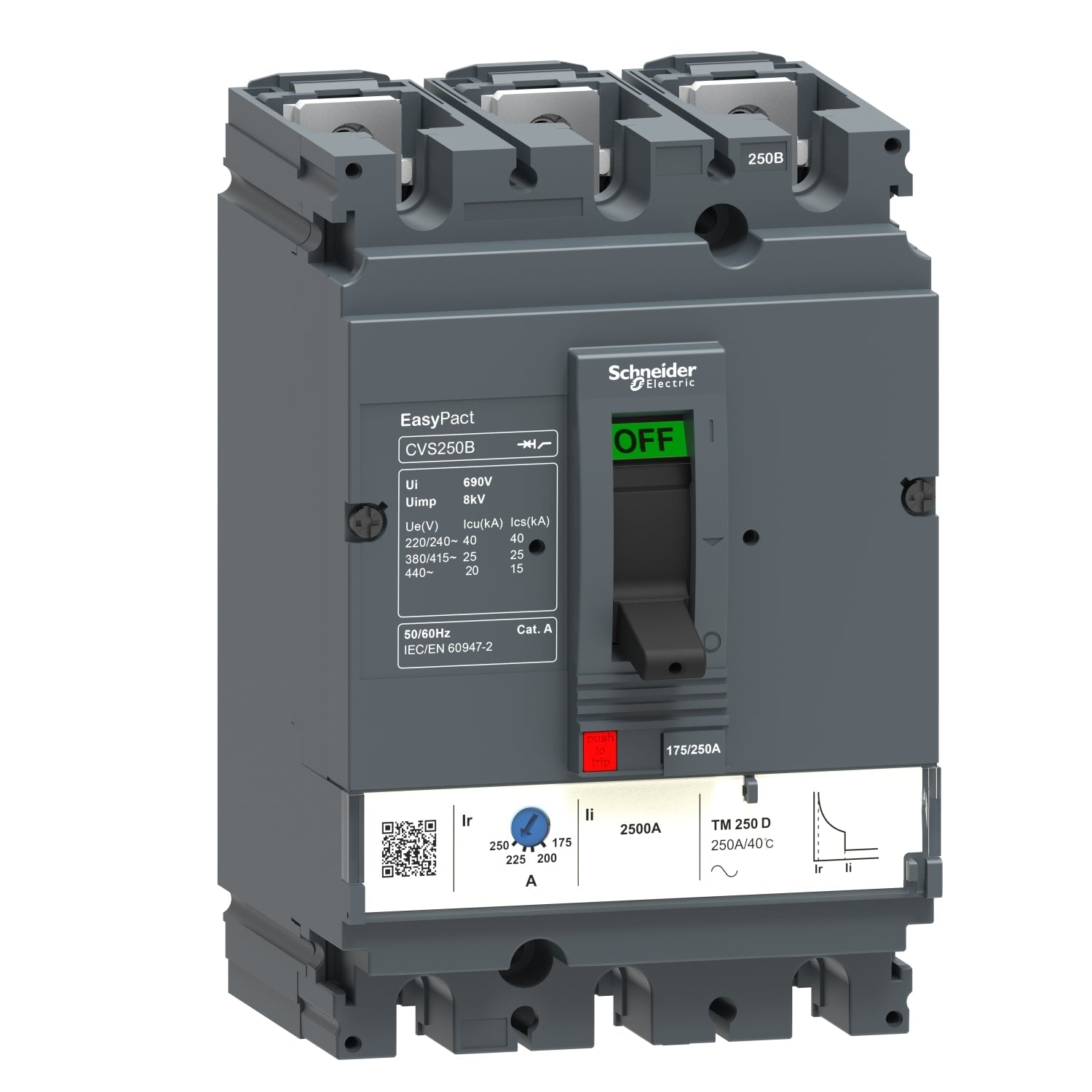
A tripped circuit breaker is a safety device that automatically cuts off power when the current flowing through a circuit exceeds its safe limit. The breaker’s mechanism opens the contacts inside, stopping the flow of electricity to prevent overheating, fire, or damage to appliances.
Unlike a fuse, which must be replaced after it blows, a circuit breaker can usually be reset once the problem is cleared.
How Circuit Breakers Work
Inside a breaker is a metal strip or electromagnet that senses excessive current. If the current is too high for too long, the strip bends or the electromagnet pulls a lever, tripping the breaker. The breaker stays in the “off” position until someone manually moves the switch back to “on” after checking the cause.
This automatic action protects wiring, outlets, and connected devices from overloads and short circuits.
Common Reasons a Breaker Trips
- Overload – too many devices drawing power on the same circuit.
- Short circuit – a hot wire touches a neutral or ground wire, creating a low‑resistance path.
- Ground fault – current leaks to ground, often due to moisture or damaged insulation.
- Faulty appliance – a malfunctioning device can draw excess current when it starts.
- Age or wear – old breakers may trip at lower currents than rated.
Understanding the cause helps you decide whether it is safe to reset the breaker or call a professional.
Immediate Steps to Take When a Breaker Trips
Follow these steps to stay safe:
- Turn off all appliances and lights on the affected circuit.
- Locate the breaker panel and identify which switch is in the “off” position.
- Inspect the area for signs of burning, smoke, or water.
- If you see damage or smell burning, do not reset the breaker. Call an electrician.
Only proceed to reset if the environment looks safe and you have turned off the loads.
How to Reset a Tripped Breaker
To reset, firmly push the breaker lever to the “off” position and then back to “on.” You should hear a click. After resetting, turn the appliances back on one at a time. If the breaker trips again, the underlying issue remains.
Never force a breaker that feels stuck; this can damage the mechanism.
When to Call an Electrician
Contact a qualified electrician if you notice any of the following:
- Frequent tripping, even after unplugging devices.
- Visible damage to wires, outlets, or the breaker itself.
- Persistent burning smell or scorch marks.
- Breaker trips immediately after resetting.
These signs may indicate serious wiring problems that require professional repair.
Preventing Future Trips
Prevention starts with proper load management:
- Distribute high‑draw appliances across different circuits.
- Use energy‑efficient devices that draw less power.
- Inspect cords and plugs for wear; replace frayed or damaged items.
- Keep the panel clean and free of moisture.
- Consider upgrading to a higher‑capacity breaker if you regularly run many devices.
Regular maintenance, such as checking for loose connections, also helps keep breakers functioning correctly.
Common Mistakes to Avoid
- Repeatedly resetting the breaker without finding the cause.
- Using adapters or extension cords that overload a single circuit.
- Ignoring warning signs like flickering lights or warm outlets.
- Attempting repairs on the panel without proper training.
Avoiding these mistakes reduces the risk of repeated trips and protects your home.
FAQ
What is a tripped circuit breaker?
A tripped circuit breaker is a safety switch that automatically cuts power when the current in a circuit exceeds its rated capacity, preventing overheating and potential fire.
Can a tripped breaker be reset by me?
Yes, if the cause is cleared and the surrounding area is safe. Turn the breaker off and then on again, then restore appliances one by one.
Why does a breaker trip without any obvious cause?
Hidden issues such as a loose wire, a failing appliance, or a gradual overload can cause a trip. Inspect all devices and connections before resetting.
Is a surge protector the same as a circuit breaker?
No. A surge protector guards against voltage spikes, while a circuit breaker protects against overcurrent conditions.
Do circuit breaker finders really work?
They can locate a breaker that has tripped, but they do not diagnose the reason for the trip. Always verify the cause manually.
Final Thoughts
A tripped circuit breaker is a clear signal that the electrical system has detected unsafe current levels. By understanding why it trips, following safe reset procedures, and preventing overloads, you can keep your home powered reliably and protect your family from electrical hazards.
1 thought on “Tripped circuit breaker – Safety device that cuts power to prevent damage”