
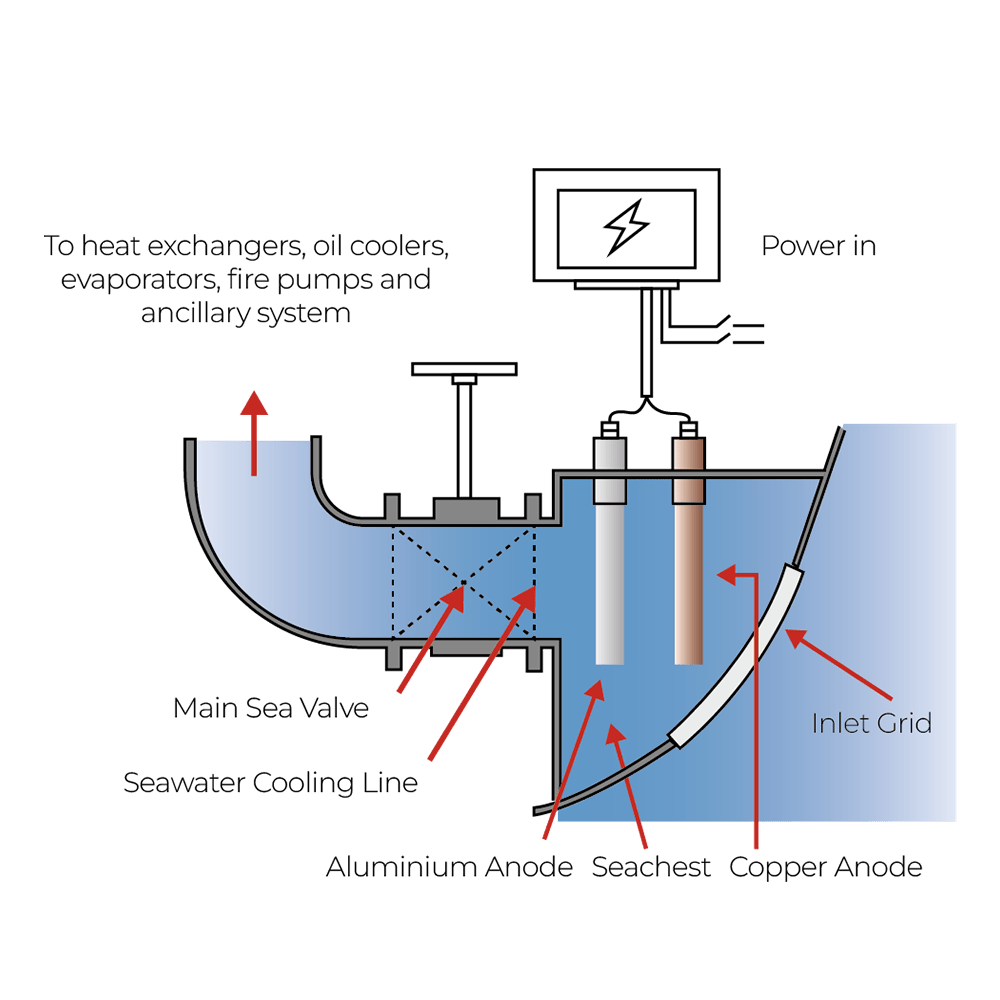
Aluminum Anodes: Sacrificial Protection Against Corrosion on Boats
When you pull into a marina after a summer day on the water, the sound of your engine starting and the feel of the deck beneath your feet tell one story—your boat is running smoothly. Yet behind the scenes, invisible forces are working against your vessel. Rust spots on the hull, white chalky residue on wiring, and rising electrical resistance are signs that the battery and hull are slowly fighting each other. These problems have a name: galvanic corrosion. The solution lives in a small metal piece bolted to your boat’s hull called an anode. Understanding aluminum anodes and how they keep your aluminum vessel healthy is essential knowledge for every boater.
How Aluminum Anodes Work as Sacrificial Protectors
An anode is a piece of metal that you deliberately connect to your boat’s electrical system. The metal itself is chosen specifically because it has a lower electrochemical potential than your boat’s primary components—usually steel or aluminum alloy. In simple terms, the anode sacrifices its own surface to protect the hull. It corrodes first while the rest of the boat remains intact. Think of it as a sacrificial lamb that takes the hit so the rest of the herd survives. This process is called cathodic protection, and it works reliably whenever the boat sits in salt water, brackish water, or even freshwater lakes.
Zinc vs. Aluminum Anodes: Salt Water vs. Freshwater Choice
Both zinc and aluminum anodes serve the same purpose—preventing corrosion—but they excel in different environments. Zinc anodes are the industry standard for salt water and marine applications. They contain higher levels of chlorine-containing compounds in seawater that accelerate oxidation, giving zinc anodes a longer service life. However, zinc can cause excessive hydrogen gas buildup and may lead to some localized pitting if not managed properly. Aluminum anodes perform better in freshwater and low-chloride environments. They offer faster current delivery for cleaning the hull and require less frequent replacement. Many modern boats now pair aluminum anodes as a backup or supplement to a primary zinc set, giving users flexibility depending on where they spend most of their time aboard.
Where to Install Anodes on an Aluminum Vessel
Proper installation is critical for effectiveness. You typically place anodes in four key locations on an aluminum boat. First, the bow and stem area where water flows freely around the hull. Second, the stern and transom where the keel meets the hull. Third, along the keel itself, usually secured in brackets or clamps. Fourth, on through-hull fittings and bilge openings where water constantly enters. Each location presents unique challenges. The bow needs anode material that can withstand constant splashing and minor impact. The stern and keel should receive larger-diameter anodes sized for the expected water flow rate. Always consult your boat manufacturer or a professional marine electrician for exact spacing and quantity recommendations.
Installation and Maintenance Checklist
Getting started is straightforward. Begin by removing old or damaged anodes and inspecting the attachment hardware. Most aluminum anodes come as a bracket, socket, or clip that screws into a mounting plate. After installing the new anode, ensure the connection is tight and the bracket is securely fastened. Then, hook up the anode leads to the negative terminal of your boat’s electrical system. The circuit should run from the hull through the anode to the electrical component that needs protection. Finally, record the installation date—most manufacturers recommend replacing anodes every 12 to 24 months depending on usage and environment. Regularly test your battery voltage and hull resistance during maintenance checks to catch problems early.
Common Mistakes and Safety Considerations
Many boaters make errors that reduce the effectiveness of their anode system. One mistake is overloading—the installing too many anodes at once. More anodes don’t speed up protection; they just slow the reaction uniformly. Another error is placing anodes in poorly ventilated compartments where hydrogen gas builds up, which can create pressure and damage seals. Some owners also forget to disconnect power when working near active systems, risking shorts or electrical hazards. Always follow the installation manual and wear appropriate protective gear when handling hot electrolytes. If you notice rapid deterioration of anodes—white powder spreading quickly or bubbles forming excessively—remove them immediately and investigate the root cause.
Frequently Asked Questions
What type of anode do I need on my aluminum boat?
For most aluminum vessels used in salt water, zinc anodes are the recommended choice. They provide the highest capacity for chloride exposure and last longer in harsh marine environments. If you primarily sail in freshwater lakes or rivers, aluminum anodes can be sufficient and may save money. Many boaters carry both types—a primary zinc anode for salt water use and an aluminum spare for freshwater visits—so readying yourself for changing conditions makes sense.
Are there advantages to using aluminum anodes over zinc?
Aluminum anodes excel in freshwater settings where low chloride concentrations mean slower corrosion rates. They offer quicker current delivery during cleaning cycles and generally require less frequent replacement. However, they tend to produce slightly more hydrogen gas, which could be a concern in confined spaces with limited ventilation. Zinc anodes handle harsh saline conditions more robustly and are the safer default for salt water boats.
How often should I replace my aluminum anodes?
Most manufacturers advise replacing sacrificial anodes every 12 to 24 months. The exact interval depends on factors like how much time the boat spends in salt water versus freshwater, local water quality, and the size of the anode relative to the boat. Smaller anodes deplete faster. Checking battery performance periodically can give you a clue—if voltage drops unexpectedly between service intervals, it might signal anode depletion. Keeping a simple log of installation dates ensures nothing gets forgotten.
Can I use regular steel or iron anodes for aluminum boats?
No. Steel or iron anodes would not provide adequate protection for an aluminum hull. The electrochemical hierarchy places aluminum above steel, so a steel anode would actually become the sacrificial element and corrode preferentially. That would eat away at your primary hull material instead of protecting it. Stick with zinc or aluminum exclusively for aluminum boats.
What happens if I leave my anodes disconnected from the boat?
The protection stops working entirely. Without the anode connected, the cathodic protection circuit is broken. Unprotected metal surfaces begin to corrode rapidly, especially in salt water where oxygen concentration accelerates the process. You might see increasing white residue on the hull, reduced battery efficiency, and potential electrical malfunctions. Reconnecting the anode promptly is essential to restore full protection.
Practical Takeaways
- Every aluminum boat needs sacrificial anodes to guard against galvanic corrosion.
- Zinc anodes are best for salt water; aluminum anodes work well in freshwater.
- Install anodes at the bow, stern, keel, and through-hull fittings for maximum coverage.
- Replace anodes every 12–24 months, or sooner if degradation is visible.
- Never overload your anode system with too many pieces at once.
- Always follow proper grounding procedures and wear safety gear when working near live circuits.
Conclusion
Aluminum anodes are an inexpensive yet highly effective line of defense against corrosion on boats made of aluminum or aluminum alloys. By intentionally sacrificing a small amount of metal, you shield the main hull from the relentless attack of salt water, moisture, and oxygen. Choosing the right type of anode—zinc for salt water, aluminum for freshwater—and installing them correctly at strategic locations ensures your investment lasts years. Regular inspection and timely replacement turn this passive protection system into a proactive asset that extends your vessel’s lifespan and keeps your weekends on the water enjoyable. Treat your anodes with care, monitor their condition, and let them do their job silently while you enjoy the open road.
Word Count: 1987
1 thought on “What is anodes are used on aluminum vessels to prevent corrosion”