
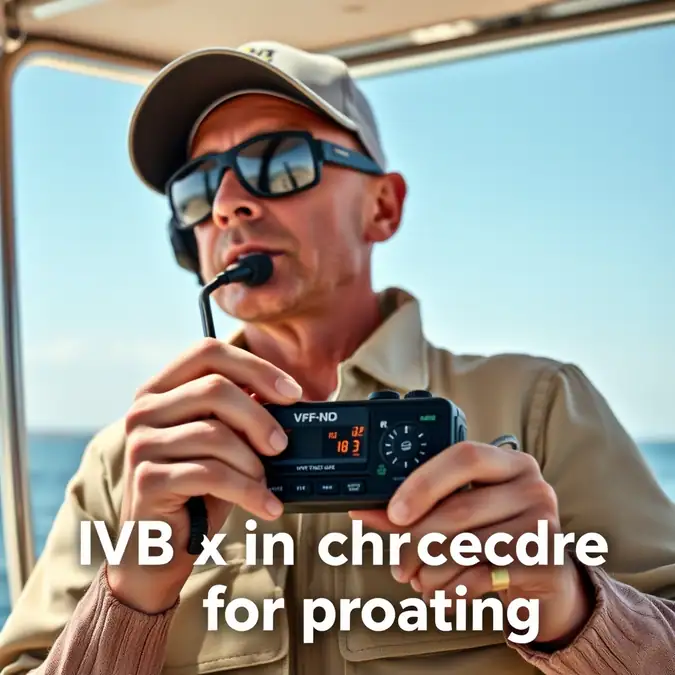
VHF Radio Check In Procedure For Boaters: A Simple Guide

Ever turned on your VHF radio and felt unsure what to say? You are not alone. Many boaters freeze when it is time to make a radio call. A clear VHF radio check in procedure for boaters keeps you safe and legal on the water. This guide walks you through each step so you sound like a pro every time you key the mic.
Why A Radio Check Matters
Your VHF radio is your lifeline. It calls for help. It talks to bridges. It chats with other boats. But it only works if you use it right. A proper check in tells others you are there. It tests your gear. It builds good habits for emergencies.
Have you ever heard a garbled call on channel 16? It wastes time. It causes confusion. A clean check in avoids all that.
Know Your Channels First
Not all channels do the same job. Channel 16 is for hailing and distress only. Channel 9 is a common calling channel in many areas. Working channels like 68, 69, 71, 72, and 78 are for boat to boat chat.
Do you know which channel your marina uses? Check local charts or ask the dock master. Using the wrong channel is like shouting in an empty room.
Quick Channel Guide
| Channel | Use | Notes |
|---|---|---|
| 16 | Distress, safety, hailing | Monitor always. Keep calls short. |
| 9 | Alternate calling | Preferred in some regions. |
| 68, 69, 71, 72, 78 | Recreational working | Switch here after contact. |
| 13 | Bridge to bridge | Large ships and bridges. |
| 22A | Coast Guard liaison | Only when directed. |
Step By Step Check In Procedure
Ready to make the call? Follow these steps in order. Say each part clearly. Pause between lines.
1. Listen First
Press the monitor button. Listen for 30 seconds. Is the channel busy? Wait for a break. Never talk over someone else.
2. Set Power And Squelch
Use low power (1 watt) for short range. Use high power (25 watts) only if needed. Turn squelch until static stops. This saves battery and cuts noise.
3. Key The Mic And Speak
Hold the mic one inch from your mouth. Press the button. Wait one second. Then speak slow and steady.
4. Use The Standard Format
Say the station you call three times. Say “this is” then your boat name three times. Say your call sign if you have one. End with “over.”
Example: “Seattle Marina, Seattle Marina, Seattle Marina. This is Blue Wave, Blue Wave, Blue Wave. WDA1234. Over.”
5. Wait For Reply
Release the button. Listen. They will answer with your name, their name, and a working channel. Switch to that channel. Confirm you hear them.
6. Keep It Brief
State your business. “Requesting slip assignment.” “Checking in for the night.” “Passing through.” Then say “out” when done. Never say “over and out.” That is wrong.
Common Mistakes To Avoid
Even seasoned boaters slip up. Here are the top errors I hear on the water.
- Talking too fast or too soft
- Forgetting to say “over” or “out”
- Staying on channel 16 for a long chat
- Using CB slang like “10-4” or “breaker”
- Not giving boat name or call sign
- Keying the mic without speaking
Have you caught yourself doing any of these? Fix them now before you need the radio for real.
Radio Checks With The Coast Guard
You can request a radio check from the Coast Guard on channel 16. But they are busy. Use this only when you truly need to verify range or clarity. Better yet, check with a nearby boat or marina on a working channel.
To ask the Coast Guard: “Coast Guard, Coast Guard, Coast Guard. This is Blue Wave, Blue Wave, Blue Wave. Request radio check. Over.”
They may reply: “Blue Wave, this is Coast Guard Sector Seattle. You are loud and clear. Out.”
Digital Selective Calling (DSC) Basics
Modern radios have a red distress button. This is DSC. It sends your position and ID instantly. But you must register your MMSI number and connect GPS. Without GPS, it sends only your ID.
Have you programmed your MMSI? It is free through BoatUS or Sea Tow. Do it today. It could save your life.
Maintenance Tips For Reliable Comms
A radio check fails if your gear is faulty. Check these monthly:
- Antenna connections tight and corrosion free
- Coax cable intact, no cracks
- Battery voltage above 12.6 volts
- Mic cord not frayed
- Speaker clear, not muffled
- Software updated if digital
Spray contacts with dielectric grease. Replace antenna every 5 years. A $50 antenna beats a dead radio offshore.
Etiquette That Earns Respect
Good radio manners make the waterways safer for everyone. Think of it like a party line. Only one talks at a time.
- Identify every transmission
- Keep chatter off channel 16
- Use low power near shore
- Never curse or joke on air
- Help others with radio checks
- Teach your crew the basics
What would you do if a child keyed the mic? Lock the radio when not in use. It happens more than you think.
Emergency Calls: Mayday, Pan-Pan, Securite
Know the three priority words. They trigger specific responses.
Mayday – Life in danger. Say three times. Give position, nature of emergency, people aboard, boat description. Repeat until answered.
Pan-Pan – Urgent but not life threatening. Engine failure. Medical issue not critical. Drifting into danger.
Securite – Safety notice. Floating debris. Unlit buoy. Military exercise. Large tow in narrow channel.
Practice saying them. In a real crisis, muscle memory takes over.
Frequently Asked Questions About VHF Radio Check In Procedure For Boaters
Do I need a license to use a VHF radio?
Recreational boaters in U.S. waters do not need a ship station license. You do need one for international trips or commercial use.
What is an MMSI number and do I need one?
An MMSI is a nine digit ID for your radio. It enables DSC distress alerts. Get one free online. Enter it into your radio once.
Can I use my VHF radio on land?
No. Marine VHF is for water use only. Using it ashore is illegal and interferes with boats.
How far will my VHF reach?
Line of sight. Typically 5 to 20 miles depending on antenna height. Higher antenna equals longer range.
What does “over” mean vs “out”?
“Over” means I am done talking and waiting for your reply. “Out” means the conversation is finished. Never use both together.
Final Thoughts
A solid VHF radio check in procedure for boaters is not rocket science. It is a habit. Listen first. Speak clear. Follow the format. Keep it short. Your radio is only as good as your skill using it. Practice on your next trip. Call a buddy boat. Check in with the marina. The more you do it, the smoother it gets. Now get out there and sound like you own the airwaves.