
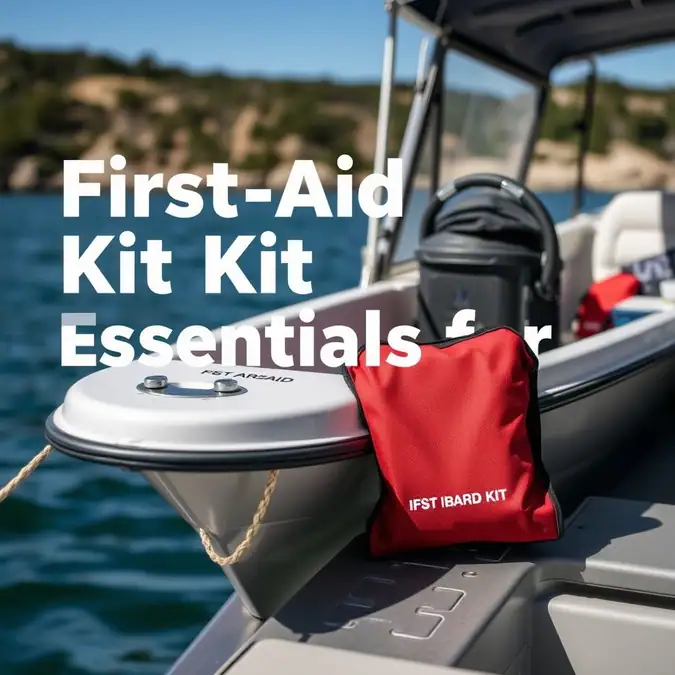
First Aid Kit Essentials For Small Boats: What You Need On Board

You are miles from shore. A hook flies loose. A knife slips. The sun burns fast. First aid kit essentials for small boats can turn a bad day into a safe trip home. Have you ever opened your kit and found dried bandages or missing tape? This guide shows you what to pack, why each item matters, and how to keep it ready for the water.
Why Small Boats Need A Special Kit
Small boats sit low. Waves splash gear. Salt eats metal. Heat bakes plastic. A car kit will fail here. You need water proof bags. You need rust proof tools. You need supplies that work when wet. What happens if you cut your foot on a shell and have no clean water to wash it?
Space Is Tight
Every inch counts. A huge box gets left on the dock. A small pouch goes in the console. Pick a soft case with clear pockets. You can see what you need fast. Can you find gauze in the dark with one hand?
Help Is Far Away
On land, an ambulance comes in minutes. On water, the Coast Guard may take an hour. You are the first responder. Your kit must handle bleeding, burns, stings, and shock until help arrives. Do you know how to stop a deep bleed with pressure and a tourniquet?
Core Items Every Boat Kit Must Have
Start with the basics. Build up from there. These items handle the most common boat injuries. Have you checked your kit this season?
Wound Care
- Waterproof adhesive bandages in many sizes
- Sterile gauze pads 4×4 inches
- Roller gauze for wrapping
- Medical tape that sticks when wet
- Butterfly closures for deep cuts
- Antiseptic wipes and spray
- Antibiotic ointment packets
Tools
- Trauma shears cut wet clothes and line
- Tweezers for hooks and splinters
- Safety pins for slings
- Small flashlight or headlamp
- Waterproof notebook and pencil
Meds And Relief
- Pain reliever like ibuprofen
- Antihistamine for allergic reactions
- Anti nausea tablets
- Sunscreen SPF 30 plus
- Lip balm with SPF
- Aloe gel for burns
- Hydrocortisone cream for bites
Emergency Gear
- Tourniquet rated for marine use
- Emergency blanket reflects heat
- Instant cold packs
- CPR face shield
- Whistle on lanyard
Comparison: Pre Made Kit Vs Build Your Own
| Feature | Pre Made Kit | Build Your Own |
|---|---|---|
| Cost | Lower up front | Higher up front |
| Fit For Boat | Often too big or wrong items | Exact fit for your space |
| Quality | Mixed, some cheap items | You pick each piece |
| Time To Ready | Open and go | Takes an hour to pack |
| Know Your Gear | Must learn what is inside | You know every item |
Pre made kits save time. Custom kits save space and match your risks. I build my own. I add extra hook removers and jellyfish sting relief. What risks do you face most?
Marine Specific Add Ons
Salt water changes things. Fish hooks need special tools. Sun hits harder on water. Motion sickness strikes fast. These items address boat only problems.
Hook Removal
Carry a hook cutter and a hook removal tool. Practice on an orange at home. Push the barb through, cut, back out. Never yank a deep hook. Do you know the string yank method for shallow hooks?
Sting And Bite Relief
Jellyfish, fire coral, sea lice. Vinegar stops nematocysts from firing. Meat tenderizer paste draws out venom. Hydrocortisone calms the itch. Keep a small bottle of vinegar in a zip bag. Have you been stung and had no relief?
Sea Sickness
Meclizine or dimenhydrinate work best taken before you leave. Ginger chews help mild cases. Wrist bands press the P6 point. Keep bags ready. A sick crew cannot help in an emergency. What works for you?
Sun And Heat
Sun reflects off water. You burn twice as fast. Pack reef safe sunscreen sticks for face. Add a wide brim hat with chin strap. Cooling towels drop core temp. Electrolyte powder prevents cramps. Do you reapply sunscreen every two hours?
Storage And Maintenance
A great kit fails if wet, hot, or expired. Store it smart. Check it often. Can you grab it in three seconds?
Waterproof First
Use a dry bag rated IPX7 or better. Double bag meds in zip locks. Silica gel packets absorb moisture. Label the outside with a waterproof marker. Does your case float if dropped overboard?
Mount It Right
Velcro straps hold the bag to the console. A carabiner clips to a grab rail. Keep it in reach of the helm. Not in a locker under seats. Not under the anchor. Where is yours mounted?
Inspect Every Trip
Open the bag. Check seals. Feel for damp. Look at dates. Replace used items that day. Swap sunscreen every season. Batteries in lights every six months. When did you last check yours?
Training Matters More Than Gear
The best kit fails in untrained hands. Take a marine first aid course. The Coast Guard Auxiliary offers them. Red Cross too. Learn CPR, bleeding control, and cold water shock care. Practice with your actual kit. Can you apply a tourniquet one handed on a rocking deck?
Drills Save Lives
Run a man overboard drill. Then a cut hand drill. Then a sting drill. Time each one. Fix slow spots. Make it a game with kids. Who finds the gauze fastest? When was your last drill?
Frequently Asked Questions About First Aid Kit Essentials For Small Boats
What is the most important item in a boat first aid kit?
A tourniquet stops life threatening bleeding. Water proof bandages protect wounds from infection. Both are vital.
How often should I replace items in my boat first aid kit?
Check every trip. Replace used items right away. Swap meds and sunscreen once a year. Change batteries twice a year.
Can I use a regular car first aid kit on my boat?
No. Car kits lack water proofing, rust proof tools, and marine items like hook removers and vinegar for stings.
Where should I mount my first aid kit on a small boat?
Mount it at the helm in a dry bag on a Velcro strap or carabiner. It must be reachable in three seconds.
Do I need a prescription for any boat first aid items?
Most items are over the counter. An EpiPen needs a prescription. Talk to your doctor if you have severe allergies.
Final Thoughts
Your kit is a promise to your crew. Pack it right. Check it often. Know how to use every piece. The water does not forgive poor prep. Build your kit this week. Run a drill next trip. Safe boating starts before you leave the dock.
1 thought on “first aid kit essentials for small boats: 8 Tips”