
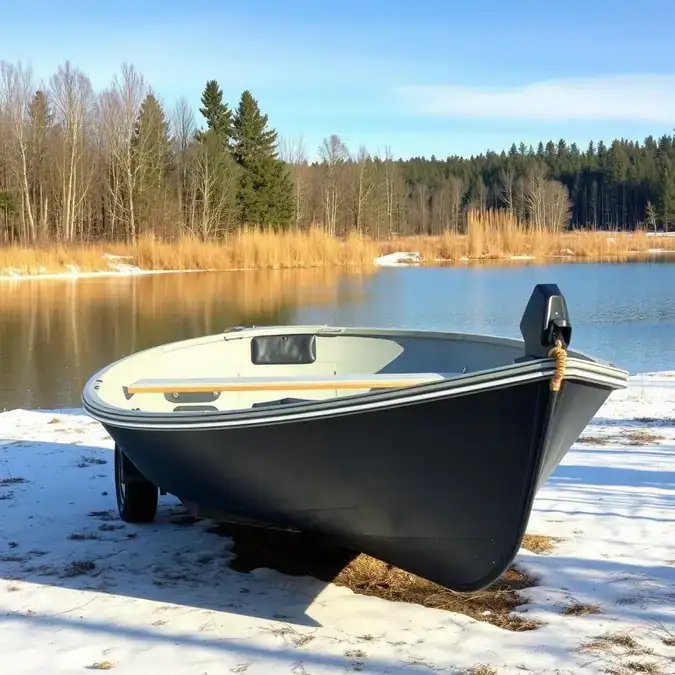
How to Store a Jon Boat During Winter: A Simple Guide

Storing a jon boat in winter keeps it safe from ice and snow. It also saves money on repairs. This guide shows you how to store a jon boat during winter in easy steps. You will learn what gear you need, how to clean the boat, and how to cover it right. Follow each step and your boat will be ready for spring. Let’s get started.
First, pick a dry place to keep the boat. A garage or a shed works well. Make sure the ground is flat and free of debris. Next, gather your tools before you start. You will need a hose, a brush, a tarp, and some rope. Keep kids and pets away while you work.
Before You Start: Tools, Gear & Preparation
| Item / Tool | Purpose | Optional / Required |
|---|---|---|
| Hose | Rinse boat | Required |
| Brush | Scrub hull | Required |
| Mild soap | Clean dirt | Required |
| Tarp | Cover boat | Required |
| Rope or bungee | Hold tarp | Required |
| Gloves | Protect hands | Optional |
| Safety glasses | Protect eyes | Optional |
| Boat stand | Keep boat off ground | Optional |
| Marine sealant | Fix small cracks | Optional |
| Oil spray | Protect metal | Required |
| Battery maintainer | Keep battery charged | Optional |
Work on a flat surface. Keep the boat away from open flames. Disconnect the battery if you have one. Check the weather; pick a dry day.
Step 1: Remove the Boat from Water
If the boat is in the water, drive it to the ramp. Use the trailer to pull it out. Go slow and keep the line tight.
Make sure the trailer lights work. Check the brakes before you start. Have a friend help guide the boat.
Once the boat is on the trailer, secure it with straps. Double-check the winch and safety chains.
Step 2: Rinse and Clean the Boat
Use a hose to rinse off mud, sand, and salt. Start at the top and work down. Rinse the inside of the boat too.
Fill a bucket with fresh water and add a little mild soap. Use a soft brush to scrub the hull. Do not use harsh chemicals.
Rinse the soap off completely. Leftover soap can harm the finish. Let the water drain away.
Step 3: Dry the Boat Thoroughly
Use clean towels or a chamois to dry the outside. Wipe the seats and floor inside. Remove any standing water.
Open any compartments and let air flow. If you have a fan, set it to low inside the cabin. Leave the boat in the sun for a few hours if possible.
Check for hidden water under the deck. Use a dry cloth to feel for damp spots. Dry them well.
Step 4: Inspect for Damage and Fix Small Issues
Walk around the boat and look for cracks, chips, or loose fittings. Pay attention to the transom and the keel.
If you find a small crack, use a marine sealant to fill it. Follow the product directions. Let it cure fully.
Tighten any loose bolts or screws. Replace any worn-out rope or strap. Keep a spare set on hand.
Step 5: Apply Protective Spray to Metal Parts
Spray a light coat of oil on the motor, hinges, and any metal hardware. This stops rust from forming.
Use a rag to wipe off excess oil. Too much oil can attract dirt. A thin layer is best.
If you have a battery, disconnect it and store it in a warm, dry place. Charge it once a month.
Step 6: Cover the Boat Securely
Place a tarp over the boat. Make sure it covers the entire hull and the motor. Pull the tarp tight.
Use rope or bungee cords to tie the tarp to the trailer or to stakes in the ground. Check that the tarp does not flap in the wind.
Add a second tarp if snow is expected. Secure the edges with weights or sandbags. Check the cover every few weeks.
Step 7: Prepare the Trailer for Storage
Check the trailer tires for wear. Inflate them to the proper pressure. Spin the wheels to make sure they turn free.
Grease the wheel bearings if they look dry. Use a light grease and wipe off extra.
Lock the trailer coupler and safety chains. Store the trailer on level ground, away from trees that could drop limbs.
Step 8: Final Check Before You Leave
Walk around the whole setup. Look for loose straps, open compartments, or water puddles.
Make sure the cover is tight and the boat is balanced. Give the boat a gentle shake to test stability.
Take a photo of the stored boat. This helps you spot changes later. Now you can walk away with peace of mind.
Common Mistakes & Troubleshooting
Problem: Mold appears under the cover. Cause: Cover traps moisture and has no airflow. Fix: Add small vents to the tarp or open the cover on dry days to let air move.
Problem: Trailer tires go flat after a few weeks. Cause: Slow leak or cold air reduces pressure. Fix: Check tire pressure every two weeks and add air as needed. Fix leaks before storing.
Problem: Battery dies while stored. Cause: Left connected or not charged. Fix: Disconnect the battery and store it indoors. Use a maintainer to keep it charged.
Problem: Cover flaps and tears in wind. Cause: Not tied tight or wrong size tarp. Fix: Use more rope or bungee and make sure the tarp fits the boat snugly.
Frequently Asked Questions About How to Store a Jon Boat During Winter
How long can I store my jon boat in winter? You can store it for the whole winter season, usually three to four months. Check the boat and cover each month for any issues.
Do I need to remove the motor? If you can, take the motor off and store it inside a dry place. If you must leave it on, cover it well and spray oil on all metal parts.
What if I do not have a garage? Use a strong tarp and build a simple frame from PVC pipe or wood to keep the cover off the boat. Tie the frame to the ground.
Is it okay to leave fuel in the tank? It is best to add fuel stabilizer and run the engine for a few minutes, then keep the tank full. This stops fuel from going bad.
Should I wax the boat before storage? A light wax coat can help protect the finish. Apply it after cleaning and let it dry before you cover the boat.
Final Thoughts
Now your jon boat is ready for winter. Follow these steps each year and your boat will stay in great shape. When spring comes, you will spend less time fixing and more time fishing. Enjoy the outdoors!