
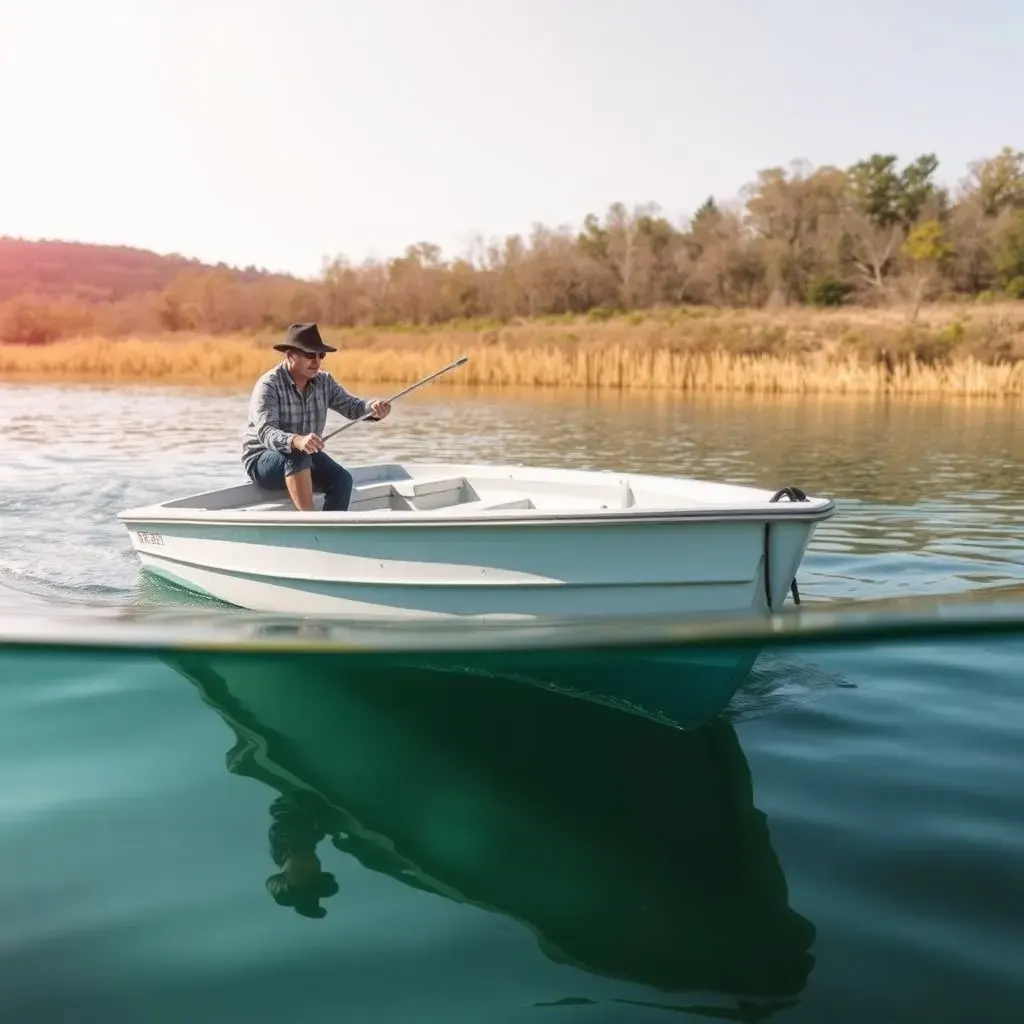
How to Prevent Jon Boat Capsizing: A Step-by-Step Guide

Learn how to keep your jon boat steady on the water. This guide shows you simple steps to avoid tipping and stay safe. You will need about 30 minutes to read and prepare. The task is easy for most boaters. Follow each step to enjoy a smooth ride.
Before You Start: Tools, Gear & Preparation
| Item / Tool | Purpose | Optional / Required |
|---|---|---|
| Life jacket | Keeps you afloat if you fall in | Required |
| Load‑scale or bathroom scale | Checks weight of gear and people | Optional |
| Measuring tape | Checks boat width and height | Optional |
| Stabilizer kit or outriggers | Adds side support | Optional |
| Marine radio or phone | Calls for help if needed | Required |
Pick a calm day with little wind. Make sure the boat is on a flat trailer or dock. Remove any loose items that could shift. Check that all seats and floor boards are tight.

Step 1: Check the Weather and Water
Look at the sky and feel the wind. If waves are over one foot high, wait for calmer water. Strong wind can push the boat sideways. Calm water makes it easier to stay balanced.

Ask yourself: Is the water choppy? Are clouds dark? If yes, postpone the trip. Safety comes first.
When the water is flat, move to the next step.
Step 2: Load the Boat Right
Place heavy items low and near the center. Put gear, coolers, and tanks on the floor. Keep the weight even from side to side.

Use a scale if you have one. Aim for no more than 75 % of the boat’s max load. Overloading raises the center of gravity and makes tipping more likely.
Double check that nothing can slide when you turn.
Step 3: Keep Weight Low and Centered
Sit low in the boat. Keep your knees bent and feet flat on the floor. Avoid standing up while moving.

If you have passengers, ask them to stay seated and centered. Moving weight to one side can cause a tip.
Remember: Low weight = stable boat.
Step 4: Use a Stabilizer or Outrigger (Optional)
If you often carry heavy loads, consider adding a stabilizer kit. These attach to the hull and widen the base.
Outriggers act like training wheels. They stop the boat from rolling too far.
Install them according to the maker’s guide. Test them in shallow water before heading out.
Step 5: Drive Slow and Turn Wide
Keep your speed under 5 mph in tight spots. Slow speed gives you time to react.
When you need to turn, start the turn early and make a wide arc. Sharp turns can flip the boat.
Watch the wake you make. A big wake can rock the boat.
Step 6: Know What to Do If It Starts to Tip
If you feel the boat lean, shift your weight to the high side. Push down on the gunwale with your hands.
Ask passengers to move opposite the lean. This helps bring the boat level.
If the boat keeps tipping, prepare to jump clear and swim to safety. Keep your life jacket on.
Common Mistakes & Troubleshooting
Problem: Boat feels wobbly at low speed.
Cause: Weight too high or uneven.
Fix: Move gear lower and center it. Sit low and keep feet on the floor.
Problem: Boat rolls when you turn.
Cause: Turning too sharp or too fast.
Fix: Slow down before the turn. Make a wider arc.
Problem: Water splashes over the sides.
Cause: Overloading or driving into waves.
Fix: Reduce load. Head into waves at a slight angle, not head‑on.
Frequently Asked Questions About How to Prevent Jon Boat Capsizing
How often should I check my load?
Check the load before every trip. Shift gear if you add or remove items.
Can I use a regular cooler as ballast?
Yes, but tie it down low and center. A loose cooler can shift and cause a tip.
What size stabilizer do I need?
Pick a kit rated for your boat’s length and weight. Most small jon boats work with a 2‑ft outrigger on each side.
Is it safe to stand while fishing?
Stand only when the boat is stopped and tied up. Stay seated while moving.
Final Thoughts
You now know how to keep your jon boat level and safe. Follow the steps each time you go out. Share this guide with friends who boat.
Get out there, enjoy the water, and stay steady!