
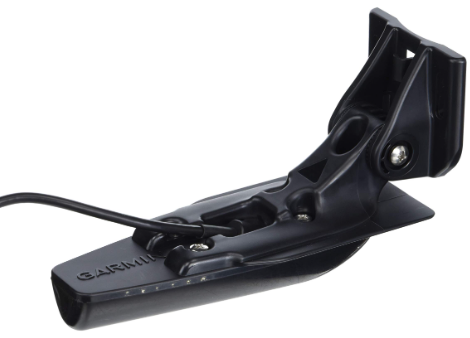
When it comes to maximizing the performance of your Garmin marine electronics, choosing the right transducer is crucial. Garmin offers a wide range of transducers designed to work seamlessly with their fishfinders, chartplotters, and other marine devices. However, with the numerous models available, it can be challenging to determine which transducer is compatible with your specific Garmin unit. In this article, we will provide you with a comprehensive Garmin transducer compatibility chart and delve into the key considerations for choosing the right transducer. So let’s dive in!
Basics Of Garmin Transducer Compatibility
Before exploring the compatibility chart, it is essential to grasp the basics of Garmin transducer compatibility. Garmin transducers utilize various technologies, including traditional sonar, CHIRP sonar, and ClearVü/SideVü scanning sonar. Each technology has different compatibility requirements with Garmin units, and understanding these requirements will ensure optimal performance.

Garmin Transducer Compatibility Chart
To help you select the appropriate transducer for your Garmin device, we have compiled a comprehensive compatibility chart below. Please note that this chart is accurate as of the publication date, but it’s always recommended to check the latest information from Garmin’s official website.
| Garmin Model | Compatible Transducer Models |
| Striker | GT8HW-TM, GT15M-IH, GT22HW-TM, GT23M-TH, etc. |
| echoMAP | GT8HW-TM, GT15M-IH, GT22HW-TM, GT23M-TH, etc. |
| GPSMAP | GT22HW-TM, GT23M-TH, GT50M-TM, GT51M-TM, etc. |
| ECHOMAP UHD | GT22HW-TM, GT23M-TH, GT50M-TM, GT51M-TM, etc. |
| Panoptix | Panoptix PS22-TR, Panoptix PS51-TH, etc. |
| ECHOMAP Plus | GT8HW-TM, GT15M-IH, GT22HW-TM, GT23M-TH, etc. |
| STRIKER Plus | GT8HW-TM, GT15M-IH, GT22HW-TM, GT23M-TH, etc. |
Key Considerations for Transducer Compatibility
While the compatibility chart provides a general overview, there are a few important factors to consider when selecting a transducer for your Garmin device. Here are some key considerations:
1. Transducer Technology
Different Garmin devices support specific transducer technologies. For example, if you have a Garmin unit that supports CHIRP sonar, ensure the transducer you choose is CHIRP-compatible. Understanding the supported technology will ensure accurate sonar readings and optimal performance.
2. Mounting Type
Garmin transducers are available in various mounting options, such as transom mount, trolling motor mount, thru-hull mount, and in-hull mount. Consider your vessel’s hull type and the most suitable mounting option for your needs. This will ensure proper installation and optimal performance.

3. Transducer Frequency
Transducers operate at different frequencies, typically ranging from low to high. Low-frequency transducers provide greater depth penetration, while high-frequency transducers offer higher resolution. Consider the depth of water you will be navigating and the type of information you need to prioritize when selecting the transducer frequency.
4. Transducer Beam Angle
Transducer beam angles determine the coverage area beneath your vessel. Wider beam angles provide a broader coverage area, while narrower beam angles offer greater detail. Consider the depth and fishing conditions you will encounter to determine the most suitable beam angle for your transducer.
5. Additional Features
Garmin transducers often come with additional features like DownVü and SideVü imaging, temperature sensors, and built-in speed sensors. Evaluate the specific features that align with your boating or fishing requirements to enhance your overall experience on the water.

Troubleshooting Transducer Compatibility Issues
In some cases, you may encounter compatibility issues despite selecting a transducer from the compatibility chart. Here are a few troubleshooting steps to resolve such issues:
- Update Firmware: Ensure your Garmin unit has the latest firmware installed. Garmin periodically releases updates that address compatibility issues and improve overall performance.
- Check Cable Connections: Ensure all cable connections between the transducer and your Garmin device are secure and properly seated. Loose connections can lead to intermittent or no signal reception.
- Perform a Hard Reset: If you are still experiencing compatibility issues, perform a hard reset on your Garmin unit. Consult the user manual or Garmin’s support resources for instructions on how to perform a hard reset.
- Contact Garmin Support: If all else fails, reach out to Garmin’s customer support. Their knowledgeable support team can provide specific troubleshooting steps or recommend alternative solutions.

Wrapping Up
Choosing the right transducer for your Garmin marine electronics is essential for optimal performance and accurate sonar readings. Always refer to the Garmin transducer compatibility chart and consider the key factors discussed in this article to make an informed decision when selecting a transducer for your specific Garmin unit. You also need to do a thorough research and understand your boating needs to ensure a seamless and productive experience on the water.
I damaged my 010-10272-00 6 pin connector coming from the transducer, can it be replaced with another connector? part number?